
Modern Minimalist Garden Design: The Ultimate UK Guide
Discover how to create a stunning modern minimalist garden in the UK. Expert tips on porcelain paving, structural plants, and geometric layouts for low-maintenance style.
Key takeaways
- In UK garden design, modern minimalism evolved from functionalist and contemporary architectural movements.
- Because planting is intentionally restrained, hard landscaping materials define the entire aesthetic.
- Minimalist gardens should be planned using straight lines and clear axes.
- Minimalist planting is about silhouette, texture, and year-round presence.
- <ol> <li> <strong>January–March:</strong> Groundworks and foundations.
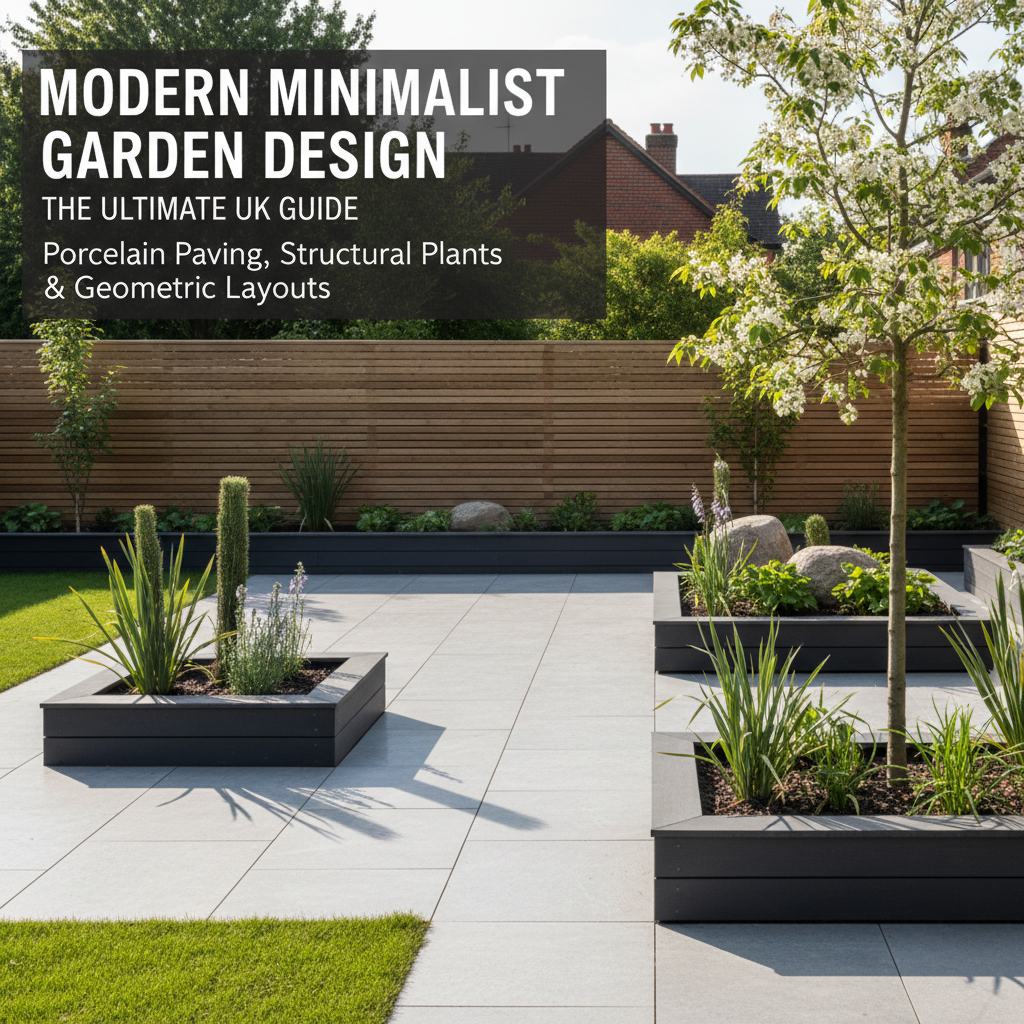
How to Create a Modern Minimalist Garden in the UK
To create a modern minimalist garden in the UK, follow a “less is more” design philosophy. This means using a limited material palette, strong geometric lines, and architectural plants that provide year-round structure with minimal maintenance.
Key Elements of Modern Minimalism
- Neutral Palette: Greys, blacks, whites, and natural timber.
- Geometric Layouts: Clean 90-degree angles or precise curves.
- Premium Materials: Porcelain paving, cedar screens, concrete features.
- Structural Planting: Focus on form, texture, and repetition.
- High-End Finish: Precise grouting, lighting, and edging are essential.
What Defines a Modern Minimalist Garden?
In UK garden design, modern minimalism evolved from functionalist and contemporary architectural movements. It deliberately rejects informal cottage planting in favour of order, symmetry, and calm.
A minimalist garden is designed as an outdoor extension of the home, functioning like an exterior room that complements modern interiors.
The Royal Horticultural Society (RHS) emphasises the importance of repetition and rhythm. Instead of dozens of plant species, minimalist gardens often use just a handful, repeated consistently to create cohesion.
Best Materials for a Modern Minimalist Garden (UK)
Because planting is intentionally restrained, hard landscaping materials define the entire aesthetic. Quality, durability, and finish matter more than variety.
| Material | Best Use | Key Benefit |
|---|---|---|
| Porcelain Paving | Patios & pathways | Non-porous, frost-proof, algae-resistant |
| Western Red Cedar | Slatted fencing & screens | Naturally rot-resistant, ages to silver-grey |
| Composite Decking | Raised seating zones | Low maintenance, no warping or rot |
| Polished Concrete | Benches & planters | Seamless, industrial finish |
| Scottish River Pebbles | Borders & drainage | Texture without visual clutter |
How to Plan a Modern Minimalist Garden Layout
Design on a Grid
Minimalist gardens should be planned using straight lines and clear axes. Measure the space and design zones using a grid system before any work begins.
Define Functional Zones
Common zones include dining, lounging, and a focal feature such as a fire pit or water bowl. Material changes—not walls—should define these areas.
The 60/40 Rule
Designers recommend approximately 60% hard landscaping and 40% planting. This ratio keeps the garden structured and easy to maintain throughout the UK winter.
Maintain Clean Edges
Use metal edging or stone setts to keep gravel, lawn, and planting beds perfectly separated. Crisp edges are a defining feature of high-end modern gardens.
Best Plants for a Minimalist Garden in the UK
Minimalist planting is about silhouette, texture, and year-round presence. Choose plants rated H4–H5 for UK frost hardiness.
Architectural Evergreens
- Taxus baccata (Yew): Ideal for clipped spheres, cubes, and hedges.
- Fatsia japonica: Bold foliage for shaded, modern courtyards.
- Buxus sempervirens: Classic structure (or use Ilex crenata as a disease-resistant alternative).
Ornamental Grasses
- Calamagrostis ‘Karl Foerster’: Vertical and architectural year-round.
- Hakonechloa macra: Softens hard lines with flowing texture.
Single-Colour Flowering Plants
If flowers are used, restrict them to a single colourmost commonly white.
- Trachelospermum jasminoides: Evergreen climber with scented white flowers.
- Hydrangea ‘Annabelle’: Dramatic white blooms for seasonal impact.
Step-by-Step: Building a Modern Garden in the UK
- January–March: Groundworks and foundations. Install a 100mm Type 1 MOT sub-base for porcelain paving.
- April–June: Lay paving, install fencing, and run lighting cables.
- September–October: Plant structural trees and shrubs. Autumn planting improves root establishment.
- Year-Round: Style with minimalist water features and lighting.
How to Maintain a Modern Minimalist Garden
- Cleaning: Pressure wash paving twice per year.
- Pruning: Maintain sharp geometric shapes with precision cuts.
- Weed Control: Install weed membrane beneath gravel areas.
Frequently Asked Questions
Is a modern minimalist garden expensive?
Initial costs are higher due to premium materials, but ongoing maintenance costs are lower.
What is the best surface for a modern UK garden?
Porcelain paving offers the best balance of durability, aesthetics, and low maintenance.
Can minimalist gardens work in small spaces?
Yes. Large-format tiles and restrained planting can make small gardens feel larger.
How do you add privacy to a modern garden?
Slatted cedar or composite screening provides privacy without blocking light.
A modern minimalist garden is defined by precision, restraint, and quality. By using premium materials, geometric layouts, and architectural planting, you can create a timeless UK garden that feels calm, elegant, and effortlessly contemporary.
Tags
Comments
Join the conversation
Create a free account to leave comments, share photos, and connect with other gardeners.
Related Articles
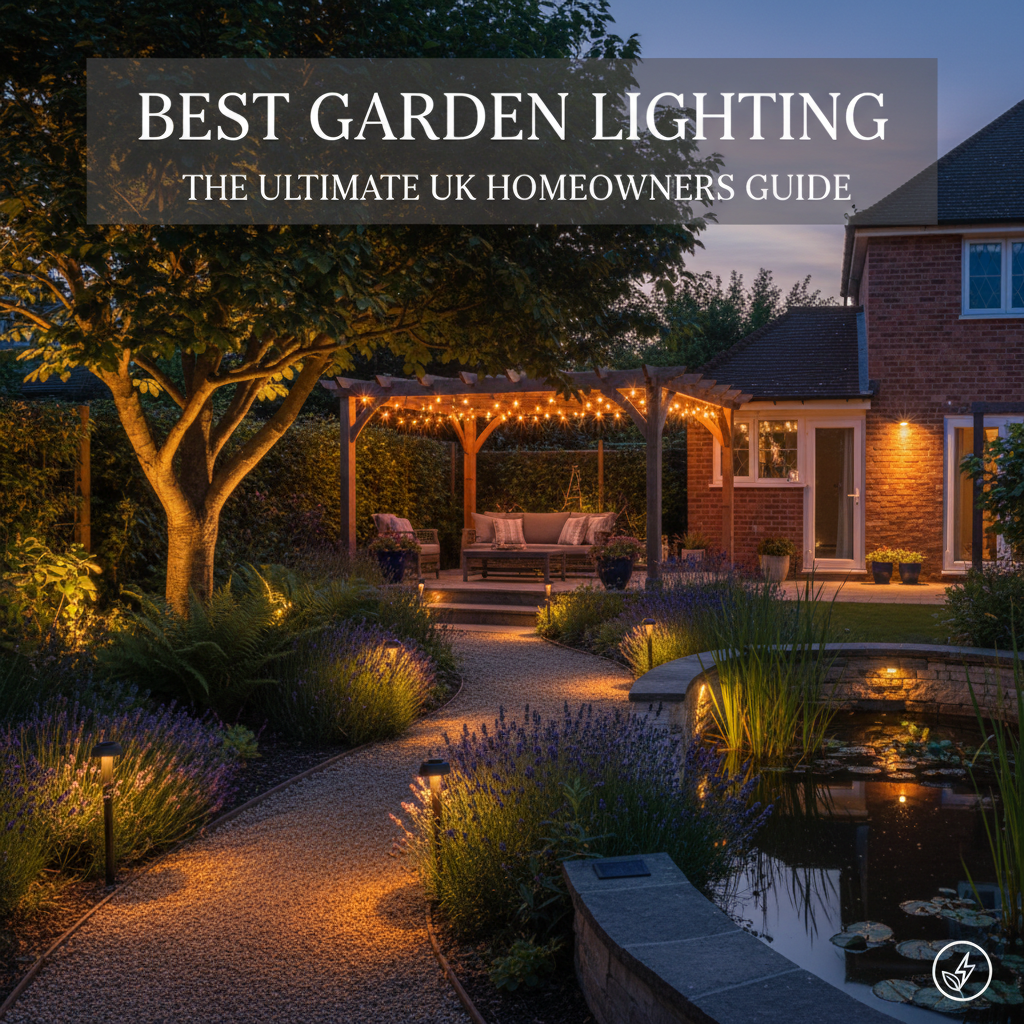
Best Garden Lighting: The Ultimate UK Homeowner's Guide
Discover the best garden lighting options for UK homes. From solar DIY to professional mains systems, learn about IP ratings, wildlife safety, and more.

How to Create a Traditional English Garden: The Ultimate UK Guide
Transform your outdoor space with our guide to traditional English gardens. Learn design secrets, plant selection, and UK-specific maintenance tips now!
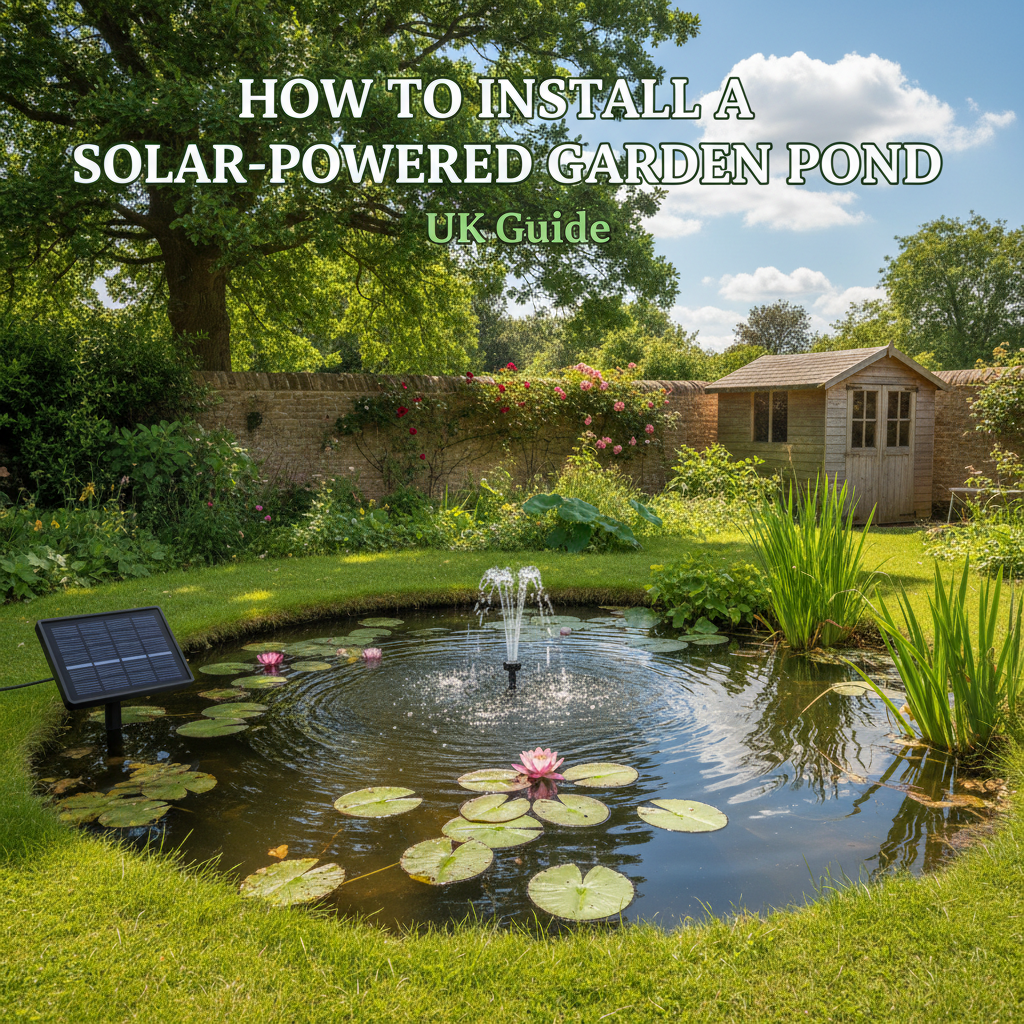
How to Install a Solar-Powered Garden Pond: UK Guide
Learn how to install and maintain a solar-powered garden pond in the UK. Discover expert tips on placement, plant selection, and the best solar pumps.
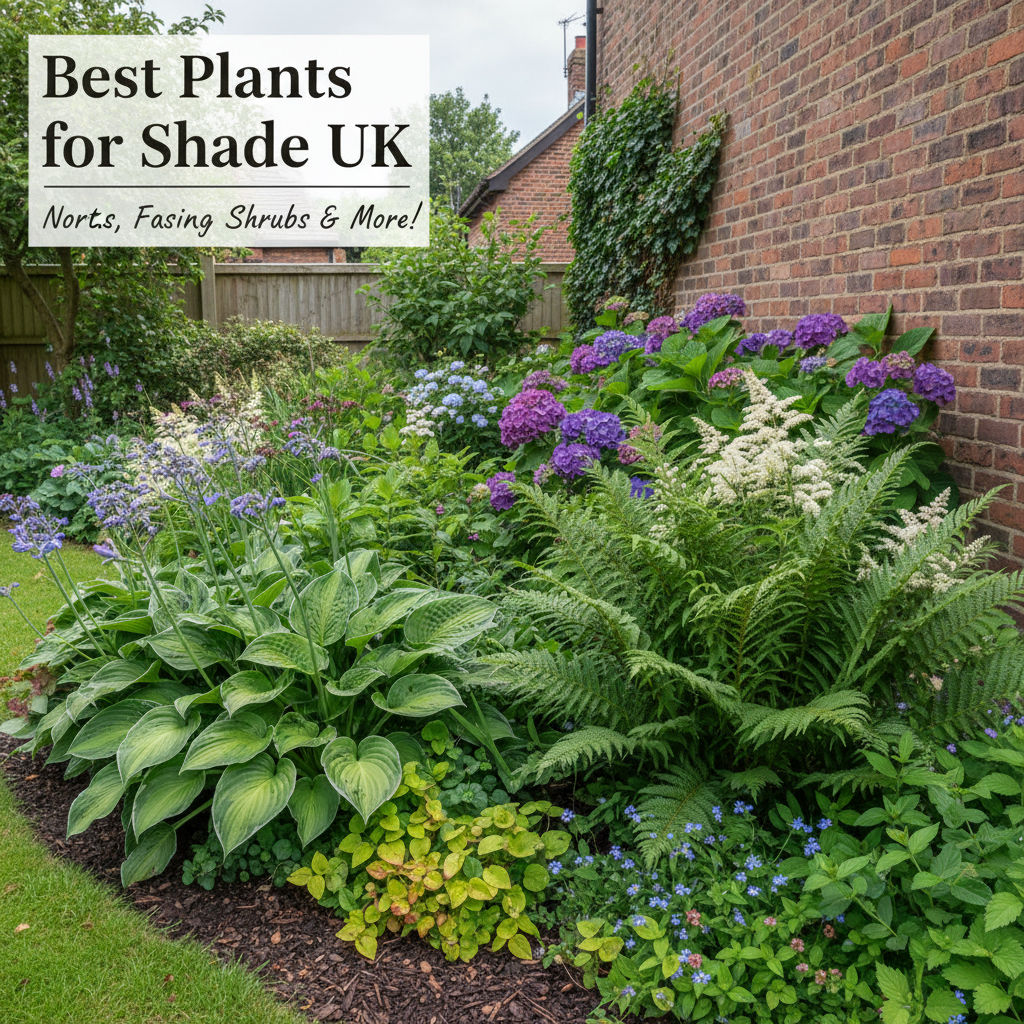
Best Plants for Shade UK: North Facing Garden Guide
Discover the best plants for shade UK gardens. Our guide covers north-facing garden ideas, ferns, hostas, and shrubs to transform your shady borders today.

Garden Plant Diseases UK: Identify & Treat Common Problems
Identify and treat common UK garden plant diseases with our expert guide. Learn to spot fungal blights and bacterial cankers to keep your garden healthy.
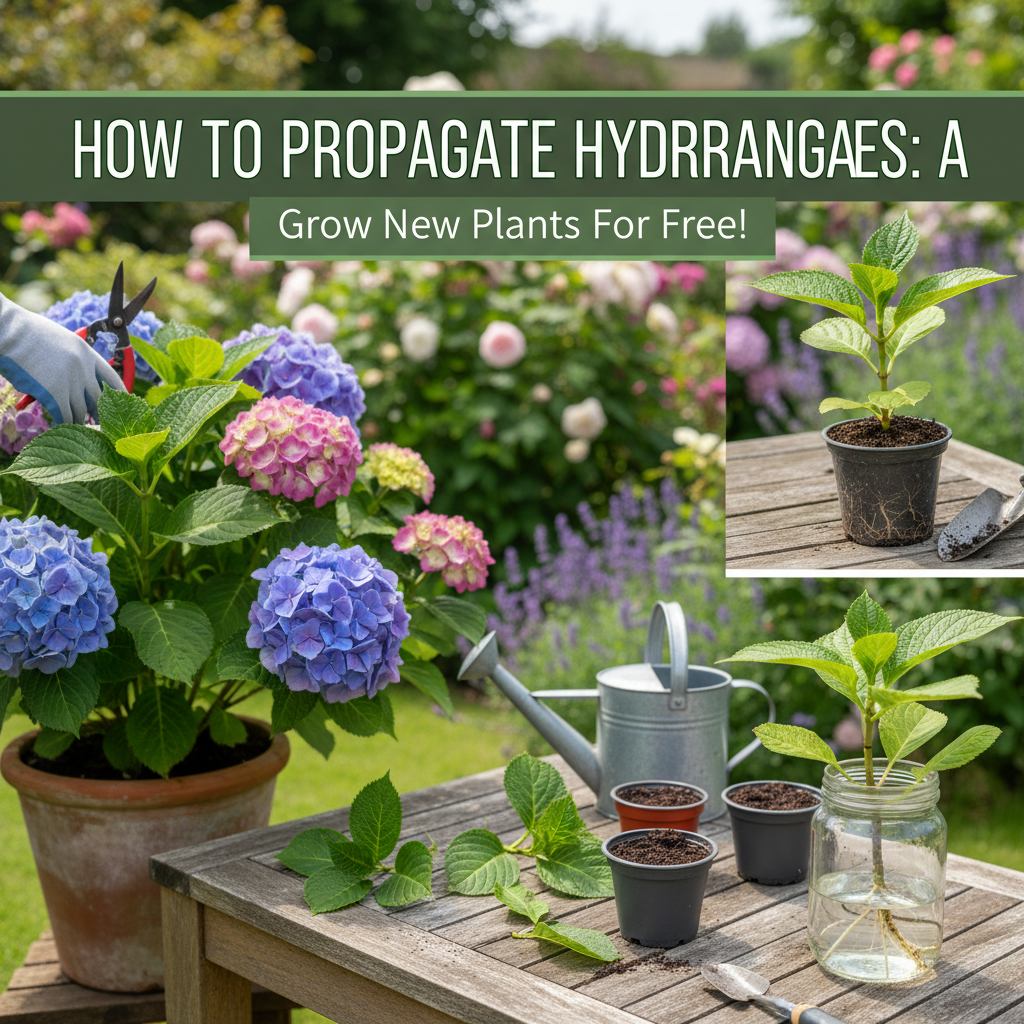
How to Propagate Hydrangeas: A Complete UK Guide
Learn how to propagate hydrangeas with our expert UK guide. Step-by-step instructions for softwood cuttings, timing, and care to grow new plants for free!