
How to Create a Traditional English Garden: The Ultimate UK Guide
Transform your outdoor space with our guide to traditional English gardens. Learn design secrets, plant selection, and UK-specific maintenance tips now!

To design and maintain a traditional English cottage garden in the UK, you must combine dense, informal planting with structured hard landscaping. This timeless style relies on a mixture of ornamental and edible plants, such as roses, lavender, and foxgloves, typically planted in layers to create a lush, overflowing aesthetic that peaks from late May to August.
Key Takeaways for Traditional English Gardens
- Structure: Use "skeletal" plants like evergreen box hedging or yew to provide winter interest.
- Planting Style: Embrace self-seeding plants and "controlled chaos" by avoiding straight lines in borders.
- Soil Health: Traditional gardens thrive on well-rotted organic matter; apply a thick mulch in March.
- Hard Landscaping: Opt for natural materials like reclaimed brick, York stone, or weathered timber.
- Wildlife Focus: Nectar-rich perennials and mixed hedging are essential for supporting UK pollinators.
What Defines a Traditional English Cottage Garden?
The traditional English cottage garden is perhaps the most iconic gardening style in Britain. Originating in the Elizabethan era as a way for rural workers to grow food and medicinal herbs, it evolved during the Victorian period into the flower-focused romantic ideal we recognise today. Unlike formal French or contemporary minimalist gardens, the English style celebrates abundance, scent, and seasonal transition.
According to RHS recommendations, a successful traditional garden should feel lived-in and productive. It is characterised by winding paths, climbing roses over timber arches, and a diverse range of heights within the borders. The goal is to create a space that feels spontaneous, even though it requires careful planning and maintenance to prevent it from becoming a chaotic mess of weeds.
How to Design Your Traditional Garden Layout
Designing a traditional garden starts with the "bones" of the space. While the planting is soft, the structure should be firm. This contrast is what makes the garden look intentional rather than neglected.
1. Create Winding Pathways
Avoid straight lines. Traditional gardens use meandering paths to create a sense of mystery and to slow the visitor down. Use materials that weather naturally over time. Reclaimed bricks or gravel are excellent choices as they allow "step-over" plants like Thymus serpyllum (Creeping Thyme) to grow in the crevices.
2. Incorporate Vertical Interest
The English garden looks best when it feels like it is embracing you. Use obelisks, pergolas, and rustic hazel teepees to support climbing plants. This adds height and ensures every inch of the garden is utilised, a nod to the small-scale origins of cottage gardening.
Best Plants for a Traditional UK Garden
Selection is key to achieving that classic look. You want a mix of "the old favourites" that have been grown in British soil for centuries. Below is a comparison of essential plant categories for the traditional garden.
| Plant Category | Recommended Varieties | Best For... | Flowering Time |
|---|---|---|---|
| Climbing Roses | Rosa 'Graham Thomas', 'Gertrude Jekyll' | Walls, arches, and fragrance | June - September |
| Tall Perennials | Digitalis purpurea (Foxglove), Delphinium | Rear of the border height | June - July |
| Scented Shrubs | Lavandula angustifolia, Philadelphus | Front of borders and paths | July - August |
| Hardy Geraniums | Geranium rozanne, G. johnson’s blue | Ground cover and filling gaps | May - October |
Step-by-Step Guide: Planting Your Traditional Border
Following a structured planting plan ensures your borders don't look sparse in spring or overgrown in autumn. Follow this seasonal guide for the best results in the UK climate.
- Preparation (October - February): Dig in plenty of well-rotted horse manure or garden compost. Traditional gardens are "hungry" and require nutrient-dense soil to support such dense planting.
- Structural Planting (March): Plant your shrubs and roses first. These are the anchors of your garden. Ensure you soak the root balls thoroughly before planting.
- Perennial Layering (April): Space perennials out, placing taller varieties (Aconitum, Lupins) at the back and lower mounds (Alchemilla mollis, Nepeta) at the front. Aim for 5-7 plants per square metre for that crowded look.
- Sowing Annuals (May): After the risk of frost has passed, sow "fillers" like Nigella damascena (Love-in-the-mist) and Calendula directly into any gaps.
- Deadheading (June - August): To keep the garden looking tidy and to encourage a second flush of flowers, deadhead roses and perennials regularly.
Maintaining the Traditional Garden Look Throughout the Year
Maintenance is the silver lining of traditional gardening; it is a labor of love. Because these gardens are so densely planted, they can be prone to pests like slugs and diseases like powdery mildew if air circulation is poor.
Spring: Divide overcrowded perennials and mulch the soil. Stake tall plants early with pea-and-bean netting or hazel sticks to prevent them from flopping in the British wind.
Summer: Focus on watering, especially if you have pots and containers. Traditional gardens are best watered at the base, early in the morning, to prevent leaf scorch and fungal issues.
Autumn: Do not be too quick to "tidy up." Leave seed heads on plants like Echinops and Alliums for winter interest and to provide food for birds. This is the hallmark of a traditional, nature-friendly garden.
"A traditional English garden shouldn't look like it was designed by a computer; it should look like it was nurtured by a hand." - UK Gardening Expert Insight.
How to Deal with Common Pests and Diseases
Traditional gardens often face higher humidity due to dense planting. To manage Powdery Mildew, ensure you choose resistant varieties and space them slightly more if your garden is in a sheltered, damp spot. For Black Spot on roses, always clear away fallen leaves in autumn to prevent spores from overwintering in the soil.
Frequently Asked Questions
When is the best time to start an English cottage garden?
Can I have a traditional garden if I only have a small patio?
What are the most low-maintenance plants for a traditional garden?
How do I stop my cottage garden from looking messy in winter?
What is the best mulch for a traditional flower border?
Tags
Comments
Join the conversation
Create a free account to leave comments, share photos, and connect with other gardeners.
Related Articles

Best Garden Lighting: The Ultimate UK Homeowner's Guide
Discover the best garden lighting options for UK homes. From solar DIY to professional mains systems, learn about IP ratings, wildlife safety, and more.

How to Install a Solar-Powered Garden Pond: UK Guide
Learn how to install and maintain a solar-powered garden pond in the UK. Discover expert tips on placement, plant selection, and the best solar pumps.
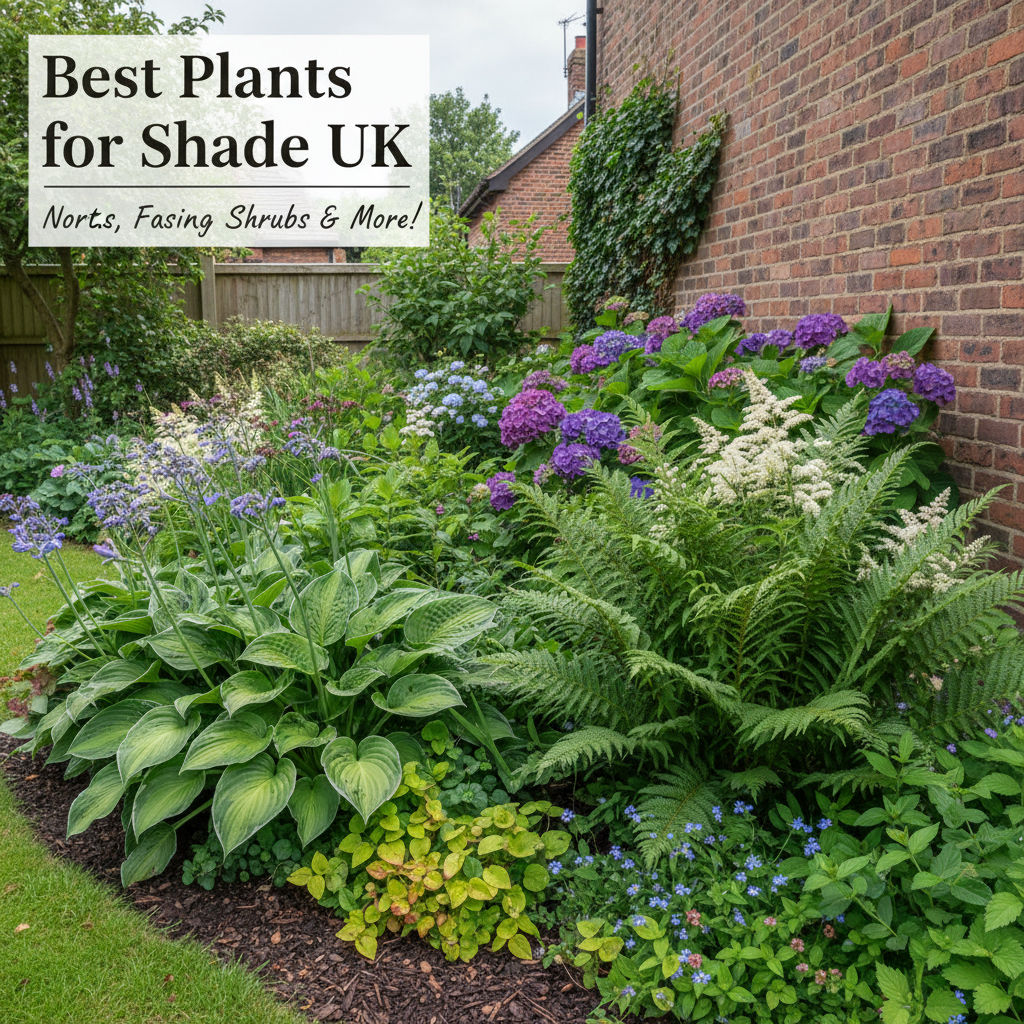
Best Plants for Shade UK: North Facing Garden Guide
Discover the best plants for shade UK gardens. Our guide covers north-facing garden ideas, ferns, hostas, and shrubs to transform your shady borders today.

Garden Plant Diseases UK: Identify & Treat Common Problems
Identify and treat common UK garden plant diseases with our expert guide. Learn to spot fungal blights and bacterial cankers to keep your garden healthy.
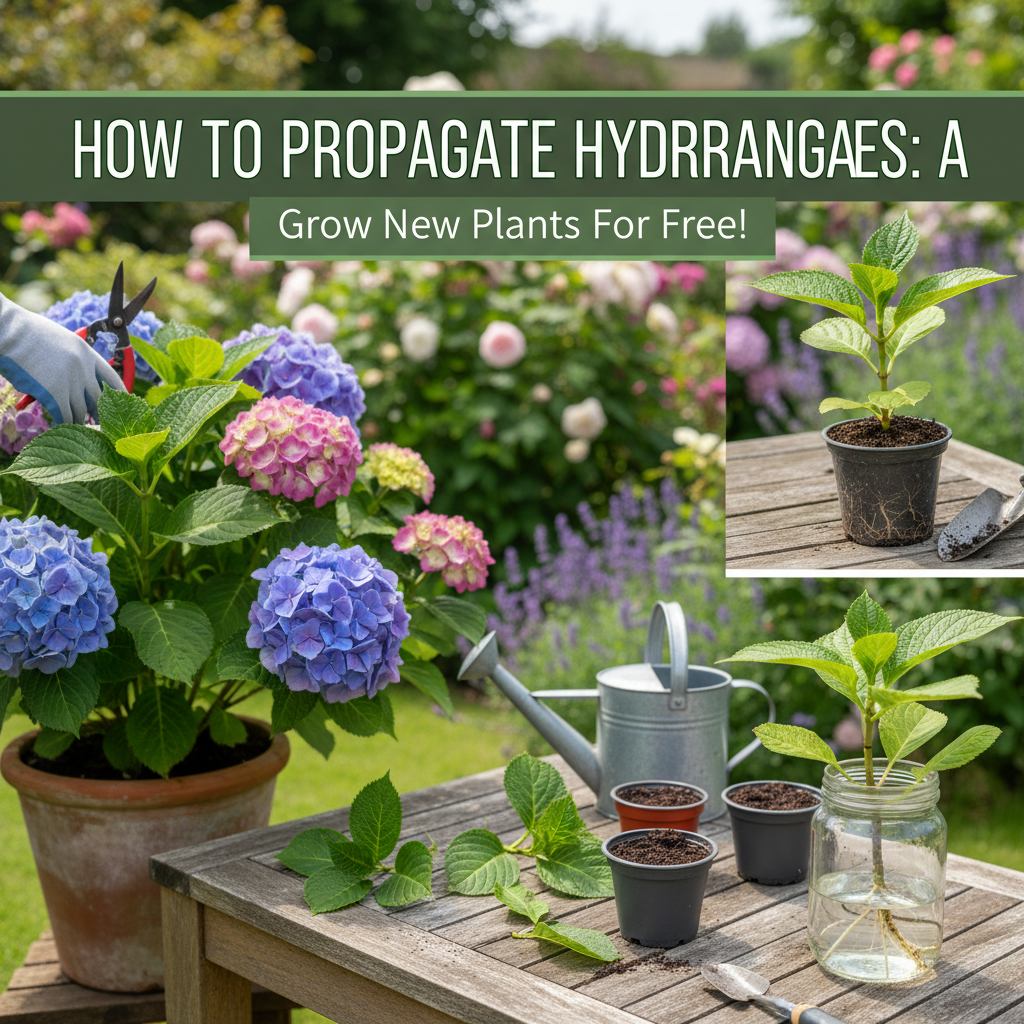
How to Propagate Hydrangeas: A Complete UK Guide
Learn how to propagate hydrangeas with our expert UK guide. Step-by-step instructions for softwood cuttings, timing, and care to grow new plants for free!

Best Tasting Tomato Varieties UK 2026
Discover the best tasting tomato varieties UK 2026. From the sweetest cherry tomatoes to rich heirlooms, learn which varieties win on flavour and yield.