
Best Garden Lighting: The Ultimate UK Homeowner's Guide
Discover the best garden lighting options for UK homes. From solar DIY to professional mains systems, learn about IP ratings, wildlife safety, and more.
Key takeaways
- In the British climate, garden lighting must be both functional and resilient.
- Effective garden lighting is about what you leave in the dark as much as what you illuminate.
- In the UK, the "IP" code is the most important technical specification to check.
- The Royal Horticultural Society (RHS) and the Bat Conservation Trust warn that excessive artificial light can significantly disrupt the natural cycles of wildlife.
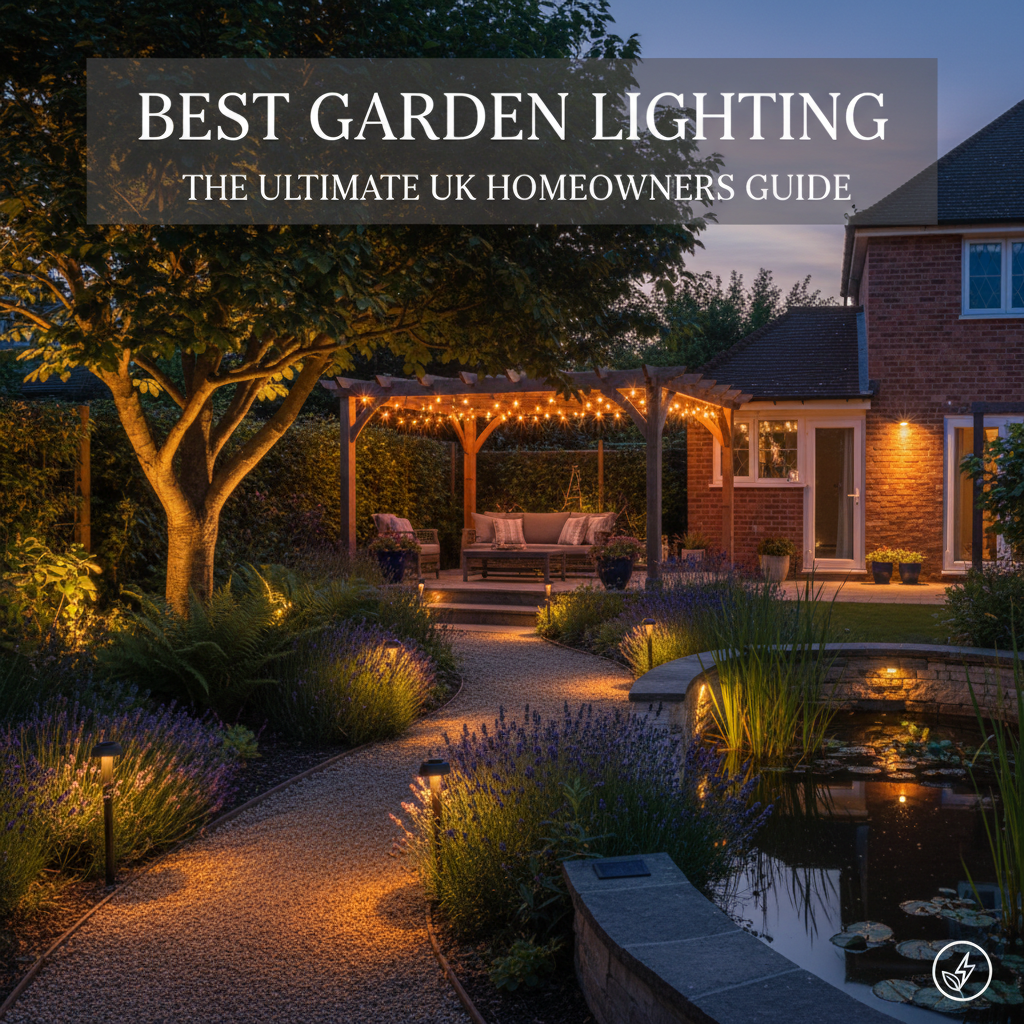
Choosing the best garden lighting depends on your specific goals: for eco-friendly ease, solar LEDs are ideal, while mains-powered halogen or LED systems provide reliable, high-intensity brightness for security. In the UK, experts recommend IP65-rated waterproof fixtures to withstand wet winters, ensuring a balance between aesthetic appeal, safety, and energy efficiency.
Key Considerations for your UK Garden Lighting
- Durability: Always choose lights with an IP (Ingress Protection) rating of at least IP44 for sheltered areas and IP65 for exposed locations.
- Power Sources: Mains-powered (240V) provides consistent light; low-voltage (12V) is safer for DIY installation; solar is best for decorative summer use.
- Wildlife Focus: Use warm-toned bulbs (under 3000K) and shields to prevent light pollution and protect nocturnal pollinators and bats.
- Placement: Focus on "layering" light using path lights, uplighting for trees, and spotlighting for water features.
- Efficiency: Transition to LED bulbs to reduce energy consumption by up to 80% compared to traditional halogen bulbs.
What Are the Best Types of Garden Lighting for UK Homes?
In the British climate, garden lighting must be both functional and resilient. With shorter winter days, the right illumination extends your living space and provides essential safety. There are three primary types of lighting systems used in UK gardens, each serving a distinct purpose:
1. Solar-Powered Lighting
Solar lights have significantly improved in recent years. They require no wiring, making them the easiest DIY option. However, in the UK, their performance is heavily dependent on daylight hours. During December and January, solar lights may only provide 1 to 2 hours of illumination. They are best used as decorative accents or "fairy lights" rather than primary safety lighting.
2. Low Voltage (12V) Systems
Low-voltage lighting is a favourite for many UK homeowners. It uses a transformer to plug into a standard indoor or outdoor socket, stepping the power down from 240V to 12V. This makes it much safer to install among plants and soil, as a stray spade hit won't result in a dangerous electric shock. It provides consistent, bright light regardless of the weather.
3. Mains Voltage (240V) Lighting
Mains-powered lighting is typically used for high-intensity security floodlights and permanent wall fixtures. Because it involves 240V cabling, UK building regulations (Part P) require that any permanent outdoor wiring is installed and certified by a qualified electrician. Cables must be buried at a specific depth (usually 450mm to 600mm) and protected by steel wire armour (SWA).
Comparison of Garden Lighting Types
| Feature | Solar Lighting | Low Voltage (12V) | Mains (240V) |
|---|---|---|---|
| Installation Difficulty | Very Low (DIY) | Low to Moderate (DIY) | High (Professional Required) |
| Reliability in Winter | Poor | Excellent | Excellent |
| Dim/Accent | Bright/Adjustable | Very Bright | |
| Initial Cost | Low | Moderate | High |
How to Design a Garden Lighting Scheme
Effective garden lighting is about what you leave in the dark as much as what you illuminate. Over-lighting can lead to "flat" visuals and disturb local wildlife. Experts recommend a layered approach to create depth and interest.
Task Lighting: For Safety and Security
Start with the essentials. Steps, paths, and changes in level must be clearly visible. For UK gardens, recessed "brick lights" in walls or bollard lights along gravel paths work best. For security, motion-sensor PIR (Passive Infrared) lights are recommended, but ensure they are angled downwards to avoid blinding neighbours or triggering unnecessarily from passing cars.
Ambient Lighting: For Atmosphere
This creates the "mood." Soft washes of light along a fence or wall can make a garden feel like an outdoor room. Using strings of festoon lights or lantern-style wall mounts creates a warm, inviting glow for patio dining during the summer months.
Feature Lighting: Highlighting Focal Points
Identify the "bones" of your garden. Use spotlights to "uplight" a specimen tree—silver birches (Betula utilis) look particularly striking when lit from below. If you have a water feature, submersible LEDs can create a magical shimmering effect, but ensure they are rated IP68 (fully waterproof).
What IP Ratings Do You Need for Outdoor Lights?
In the UK, the "IP" code is the most important technical specification to check. It stands for Ingress Protection and consists of two digits. The first digit refers to protection against solids (0-6), and the second refers to moisture (0-8).
- IP44: Standard for most outdoor wall lights. It can withstand splashing water and rain.
- IP65: Recommended for ground lights or any fixture exposed to direct jets of water (e.g., near a hose or in heavy rain).
- IP67: Can be temporarily submerged; ideal for ground-recessed lights that might sit in puddles.
- IP68: Totally waterproof; required for use inside ponds or fountains.
Step-by-Step Guide: Planning Your Installation
- Sketch the Layout: Draw your garden and mark key features like trees, paths, and power sources.
- Select Your "Hero" Features: Choose 2 or 3 items to highlight (e.g., an olive tree, a statue, or a textured stone wall).
- Determine Power Source: Decide if you will use a DIY 12V plug-and-play system or hire an electrician for 240V armoured cabling.
- Check Your Bulbs: Professionals recommend LED bulbs with a "Warm White" temperature (2700K to 3000K). Avoid "Cool White" (5000K+), which can look clinical and harsh in a natural setting.
- Test Before Fixing: Use a high-powered torch at night to simulate positionings before digging trenches or drilling walls.
The Impact of Light Pollution on UK Wildlife
The Royal Horticultural Society (RHS) and the Bat Conservation Trust warn that excessive artificial light can significantly disrupt the natural cycles of wildlife. Moths, beetles, and bats are particularly sensitive.
To be an eco-conscious gardener:
"Use the minimum amount of light necessary for the task, use shields to prevent light spill into the sky or neighbouring gardens, and choose warm-spectrum LEDs which are less disruptive to nocturnal insects."
Seasonal Maintenance Tips
- Spring (March/April): Clean the glass covers of all fixtures to remove winter algae and grime. Check for any cable damage from frost or rodents.
- Summer (June/July): Adjust spotlights as plants grow and foliage thickens to prevent "hot spots" of light.
- Autumn (October/November): Ensure solar panels are clear of fallen leaves and debris to maximise limited daylight charging.
- Winter (January): If using solar, consider bringing portable units inside if they aren't rated for heavy frost, or simply accept they will be dimmer during these months.
Frequently Asked Questions
Frequently Asked Questions on Best Garden Lighting:
Do I need an electrician to install garden lights?
What is the best colour temperature for garden lighting?
Are solar lights worth it in the UK?
How deep should outdoor lighting cables be buried?
How can I make my garden lighting more eco-friendly?
Tags
Comments
Join the conversation
Create a free account to leave comments, share photos, and connect with other gardeners.
Related Articles

How to Create a Traditional English Garden: The Ultimate UK Guide
Transform your outdoor space with our guide to traditional English gardens. Learn design secrets, plant selection, and UK-specific maintenance tips now!
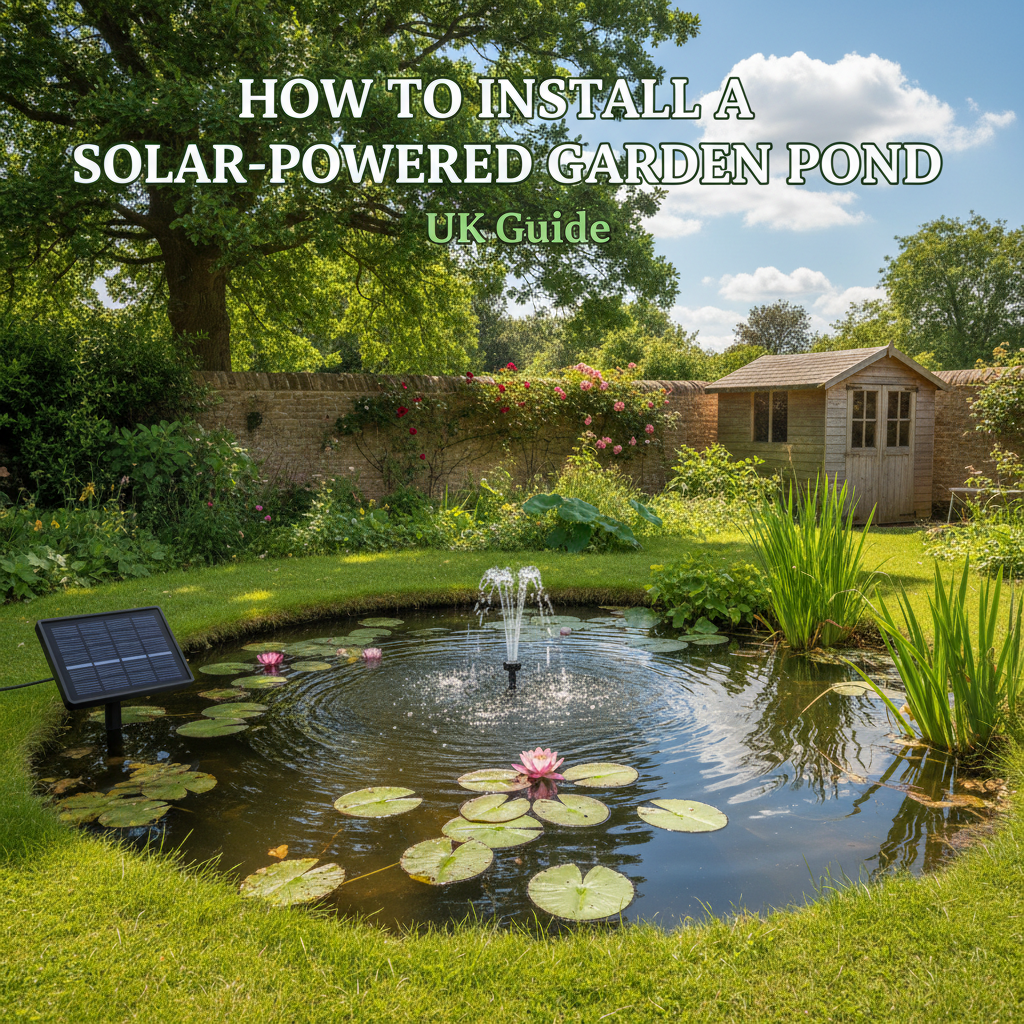
How to Install a Solar-Powered Garden Pond: UK Guide
Learn how to install and maintain a solar-powered garden pond in the UK. Discover expert tips on placement, plant selection, and the best solar pumps.
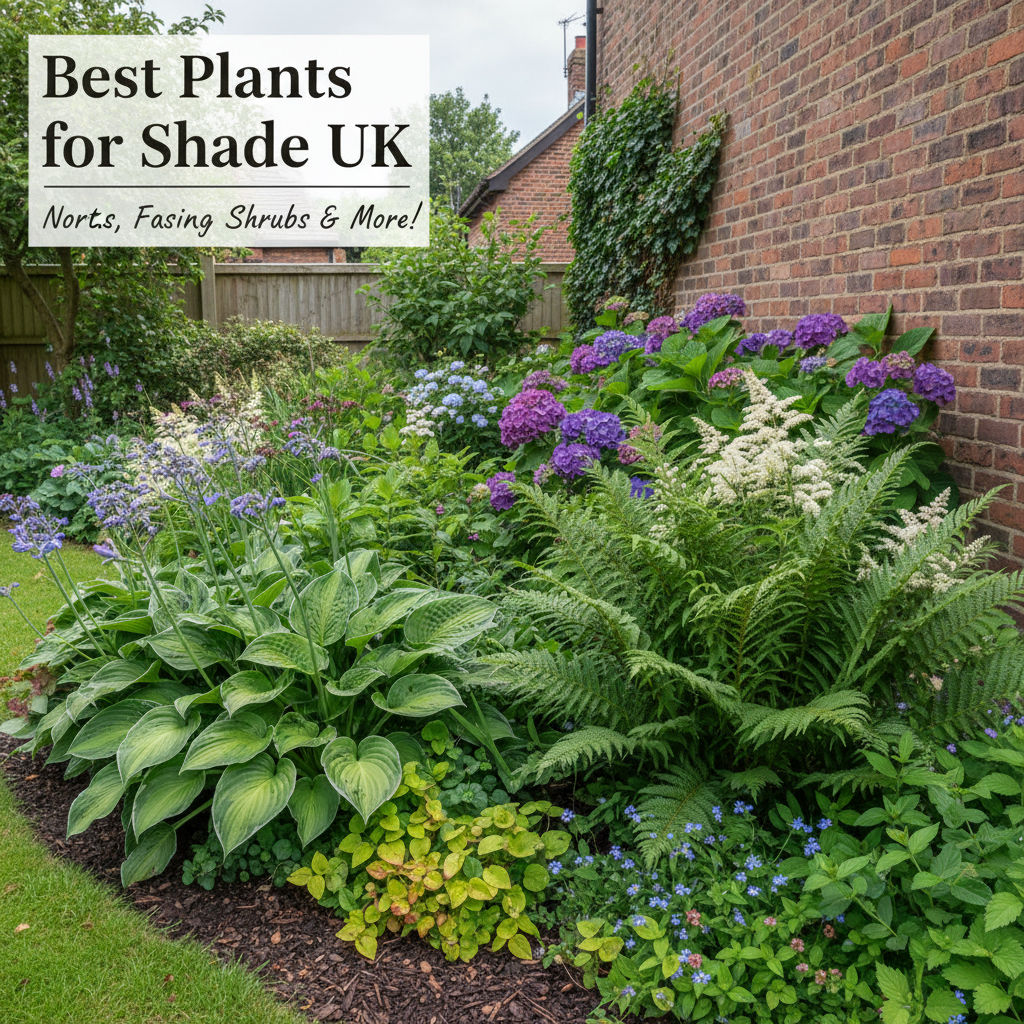
Best Plants for Shade UK: North Facing Garden Guide
Discover the best plants for shade UK gardens. Our guide covers north-facing garden ideas, ferns, hostas, and shrubs to transform your shady borders today.

Garden Plant Diseases UK: Identify & Treat Common Problems
Identify and treat common UK garden plant diseases with our expert guide. Learn to spot fungal blights and bacterial cankers to keep your garden healthy.
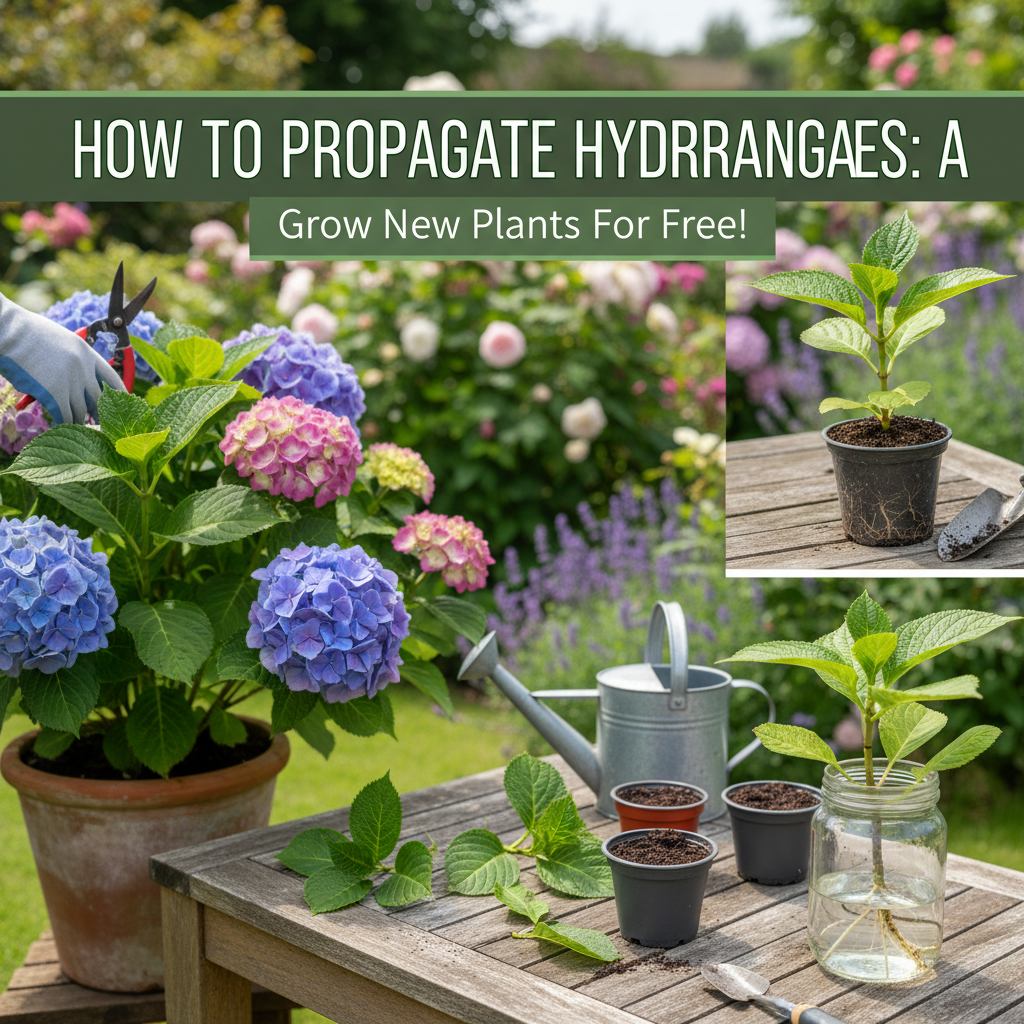
How to Propagate Hydrangeas: A Complete UK Guide
Learn how to propagate hydrangeas with our expert UK guide. Step-by-step instructions for softwood cuttings, timing, and care to grow new plants for free!

Best Tasting Tomato Varieties UK 2026
Discover the best tasting tomato varieties UK 2026. From the sweetest cherry tomatoes to rich heirlooms, learn which varieties win on flavour and yield.