
The Ultimate UK Guide to Succulent Plants – Care, Types & Growing Tips
Expert guide to succulent plants in the UK, covering popular types, care tips, watering advice and how to grow healthy succulents year-round.
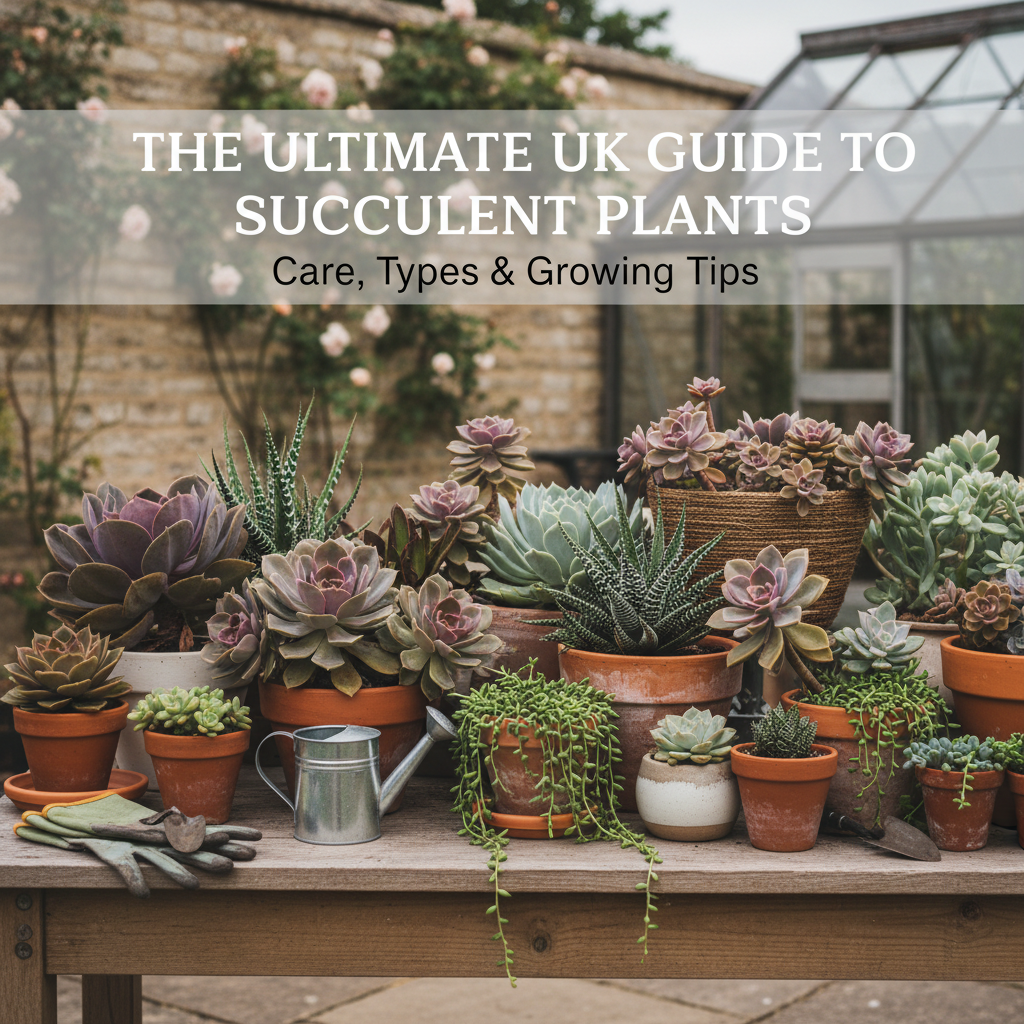
Succulents are one of the most popular choices for both novice and experienced gardeners in the UK. Known for their unique shapes, drought tolerance and low-maintenance nature, these striking plants add colour and character to homes, patios and gardens all year round. Whether you’re starting a collection or looking to perfect your care routine, this guide has everything you need.
What Are Succulents?
Succulents are a group of plants that store water in their thick, fleshy leaves, stems or roots. This adaptation allows them to survive in dry environments and means they require far less watering than traditional houseplants. This makes succulents ideal for busy gardeners and beginners alike.
Many succulents thrive in the UK when grown in the right conditions. Some of the most popular varieties include:
- Echeveria – Attractive rosette-shaped plants available in a wide range of colours.
- Crassula (Jade Plant) – A classic, tree-like succulent perfect for indoor pots.
- Sedum (Stonecrop) – Hardy and versatile, suitable for groundcover and containers.
- Haworthia – Compact succulents ideal for windowsills and small spaces.
- Aloe Vera – Decorative and practical, commonly grown as a houseplant.
- Sempervivum (Houseleeks) – Extremely hardy and well suited to outdoor UK gardens.
How to Grow Succulents Successfully in the UK
1. Light Requirements
Succulents prefer bright, indirect sunlight. A sunny windowsill, conservatory or sheltered south-facing garden position works well. Avoid intense midday sun, which can scorch leaves, especially indoors.
2. Soil and Drainage
Good drainage is essential for succulent health. Use a specialist cactus or succulent compost, or improve standard potting soil with sand, perlite or grit. Always plant succulents in containers with drainage holes.
3. Watering Succulents
Overwatering is the most common cause of succulent problems. Allow the soil to dry out completely between waterings, then water thoroughly. During winter, reduce watering significantly as growth slows.
4. Coping with the UK Climate
While some succulents are frost-tolerant, many prefer protection from prolonged cold and wet conditions. Hardy varieties like sempervivums can stay outdoors year-round, while tender succulents should be moved indoors during winter.
Succulent Styling and Garden Ideas
- Create eye-catching container displays for patios and balconies
- Use succulents in rock gardens or gravel beds for low-maintenance planting
- Style shelves, window ledges or garden walls with mixed succulent pots
Common Succulent Problems and Solutions
- Leggy growth – Increase light exposure
- Soft or yellow leaves – Reduce watering and improve drainage
- Shrivelled leaves – Water more deeply, but less often
- Pests – Treat mealybugs and aphids with neem oil or alcohol wipes
Why Succulents Are Ideal for UK Gardeners
Succulents are perfect for beginners, busy households and anyone looking for attractive, low-maintenance plants. With minimal care and the right growing conditions, succulents provide year-round interest indoors and outdoors, making them a valuable addition to any UK garden.
Tags
Comments
Join the conversation
Create a free account to leave comments, share photos, and connect with other gardeners.