
Best Indoor House Plants for Beginners UK: Easy Care Guide
Discover the best indoor house plants for beginners in the UK. Learn about top easy-care varieties like Snake Plants and Pothos to brighten your home today!
Key takeaways
- Growing indoor plants in the United Kingdom offers more than just aesthetic appeal.
- If you are new to the world of indoor gardening, these five plants are widely considered "unkillable" and provide the best starting point for a successful collection.
- Caring for indoor plants in the UK requires an understanding of the dramatic change in daylight and temperature between seasons.
- Even the most resilient plants can struggle if basic errors are made.
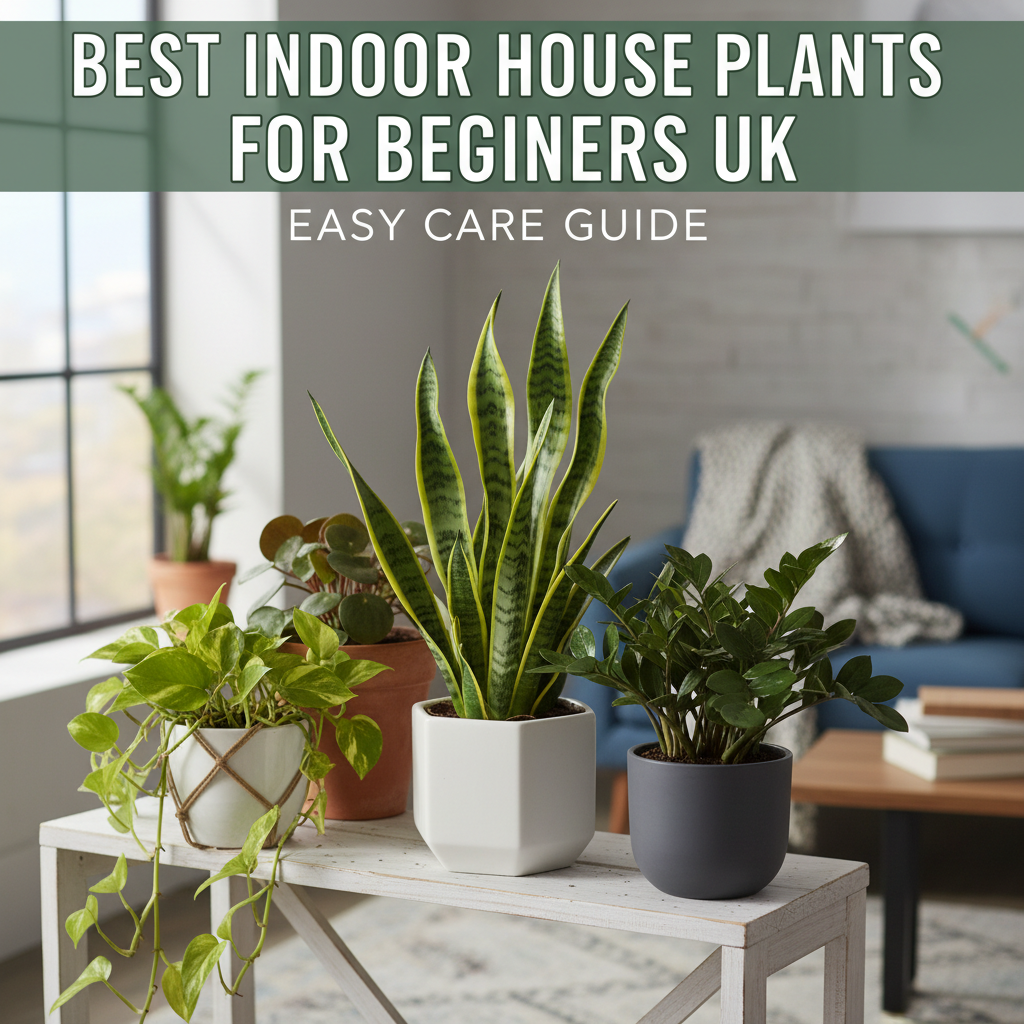
The best indoor house plants for beginners in the UK are the Snake Plant, Spider Plant, ZZ Plant, and Pothos. These varieties are highly resilient, requiring minimal watering and thriving in the typical indoor light levels found in British homes. They are specifically chosen for their ability to withstand fluctuating temperatures and lower winter light levels common in the UK climate.
Tips UK Indoor Plant Beginners
- Low Maintenance: Choose species like Sansevieria (Snake Plant) that can go weeks without water.
- Light Adaptation: Most beginner plants prefer bright, indirect light but many can tolerate the darker corners of UK north-facing rooms.
- Avoid Overwatering: The primary cause of houseplant death in the UK is root rot caused by watering too frequently during the damp winter months.
- Temperature Control: Keep plants away from cold draughts near single-glazed windows and away from direct contact with radiators.
Why Start an Indoor Jungle in the UK?
Growing indoor plants in the United Kingdom offers more than just aesthetic appeal. With the UK's often grey and damp winters, indoor greenery has been scientifically proven to improve mood, reduce stress, and even purify indoor air. For a beginner, the key to success is matching the right plant to the specific conditions of a British home, which often faces challenges like central heating dry air and low sun intensity during the solstice.
What Are the Top 5 Best Indoor House Plants for Beginners?
If you are new to the world of indoor gardening, these five plants are widely considered "unkillable" and provide the best starting point for a successful collection.
1. Snake Plant (Sansevieria trifasciata)
The Snake Plant, often called "Mother-in-Law's Tongue," is arguably the hardiest houseplant available. It features upright, sword-like leaves with architectural appeal. It is unique because it performs carbon dioxide exchange at night, making it an ideal choice for bedrooms.
- Light: Thrives in almost any light, from low-light corners to sunny windowsills.
- Water: Every 2-4 weeks. Allow the soil to dry out completely.
- UK Tip: In winter (November to March), you may only need to water this plant once every six weeks.
2. Spider Plant (Chlorophytum comosum)
The Spider Plant is a classic UK favourite. It is incredibly easy to grow and produces "babies" (plantlets) on long stems that can be easily propagated to create new plants for free.
- Light: Prefers bright, indirect light but will tolerate some shade.
- Water: Keep the soil slightly moist but not soggy during spring and summer.
- UK Tip: Great for hanging baskets in kitchens or bathrooms where humidity is slightly higher.
3. ZZ Plant (Zamioculcas zamiifolia)
The ZZ Plant is the go-to for offices and dark flats. Its waxy, deep green leaves reflect light and brighten up dull spaces. It grows slowly, meaning it won't outgrow its spot too quickly.
- Light: Exceptional in low-light conditions.
- Water: Very low. Its thick rhizomes store water efficiently.
- UK Tip: Avoid placing this directly above a radiator, as the rising dry heat can cause leaf tips to brown.
4. Devil's Ivy (Epipremnum aureum / Pothos)
Commonly known as Pothos, this trailing vine is perfect for bookshelves. It grows rapidly and will tell you when it's thirsty by slightly wilting, making it a great "communicator" for beginners.
- Light: Prefers bright, indirect light to maintain variegated leaf patterns.
- Water: When the top inch of soil feels dry.
- UK Tip: Can be easily trained to climb up a moss pole or trail down from a high mantelpiece.
5. Peace Lily (Spathiphyllum)
The Peace Lily is one of the few easy-care plants that produces elegant white flowers (spathes). It is famous for its air-purifying qualities, as noted in NASA's Clean Air Study.
- Light: Low to medium light. Direct sun will scorch the leaves.
- Water: Likes consistent moisture. It will "flop" dramatically when it needs water but recovers quickly after a drink.
- UK Tip: Use filtered water or let tap water sit for 24 hours to allow chlorine to dissipate, as Peace Lilies can be sensitive to chemicals.
Comparison Table: Beginner House Plants at a Glance
| Plant Name | Light Requirements | Watering Frequency | Best UK Room | Growth Rate |
|---|---|---|---|---|
| Snake Plant | Low to High | Very Low | Bedroom | Slow |
| Spider Plant | Medium | Moderate | Kitchen/Bathroom | Fast |
| ZZ Plant | Very Low to Medium | Low | Hallway/Office | Slow |
| Pothos | Medium | Moderate | Living Room | Fast |
| Peace Lily | Low to Medium | Regular | Dining Room | Medium |
How to Care for Indoor Plants in the UK Climate
Caring for indoor plants in the UK requires an understanding of the dramatic change in daylight and temperature between seasons. Follow these steps to ensure your plants thrive year-round.
Step 1: Seasonal Watering Adjustments
- Spring & Summer (April - September): This is the active growing season. Increase watering as temperatures rise and plants use more energy. Use a balanced liquid seaweed fertiliser once a month.
- Autumn & Winter (October - March): Growth slows down significantly. Reduce watering frequency by half. Most beginners kill plants in winter by over-watering "on a schedule" rather than checking the soil.
Step 2: Managing Light Levels
UK daylight hours drop significantly in winter. You may need to move your plants closer to south-facing windows during the winter months to compensate for the lack of intensity. Keep leaves dust-free by wiping them with a damp cloth; dust blocks the already limited sunlight.
Step 3: Dealing with Central Heating
Most tropical house plants prefer 50-60% humidity, but UK homes with central heating can drop to 20%. To combat this:
- Group plants together to create a humid microclimate.
- Use a pebble tray filled with water beneath the pot (ensure the pot sits on the pebbles, not in the water).
- Mist plants like the Peace Lily or Spider Plant regularly.
"The Golden Rule of houseplant care for beginners: If you aren't sure whether to water, wait two days. Most plants recover from drought much faster than they recover from drowning." - Garden-Review Expert Tip
Common Mistakes Beginners Make with Indoor Plants
Even the most resilient plants can struggle if basic errors are made. In the UK, the most common issues involve:
- Using pots without drainage holes: Always ensure your decorative "cachepot" has a plastic nursery pot inside it with holes at the bottom.
- Cold shocks: Leaving a plant on a windowsill behind a closed curtain on a frosty night can freeze the leaves.
- Ignoring pests: Check regularly for Fungus Gnats (tiny black flies) which thrive in over-watered UK compost.
Frequently Asked Questions
When is the best time to repot my indoor plants in the UK?
Which indoor plants are safe for cats and dogs?
How do I know if my houseplant needs water?
Can I use garden soil for my indoor plants?
Why are the leaves on my indoor plant turning yellow?
Do I need to feed my indoor plants?
Tags
Comments
Join the conversation
Create a free account to leave comments, share photos, and connect with other gardeners.
Related Articles

Maximise Your Space: Small Garden Design Ideas UK Guide
Discover expert tips to maximise your small UK garden. Learn about vertical planting, space-saving layouts, and the best plants for compact spaces. Read more!
Best Air Purifying House Plants UK - NASA Approved List
Discover the best NASA-approved air purifying house plants for UK homes. Improve your indoor air quality with these low-maintenance, toxin-busting plants.
How to Care for Orchids at Home UK - Watering & Light Guide
Master orchid care in the UK with our expert guide. Learn the secrets to watering, light requirements, and repotting for healthy, re-blooming orchids.