
How to Plant Your First Garden: A Beginner’s Step-by-Step Guide
Plant your first garden with confidence. A beginner’s step-by-step guide covering soil prep, tools, and simple planting basics.
Key takeaways
- Before touching the soil, choosing the right location is critical for gardening success.
- Poor soil leads to weak plants, while good soil promotes strong roots and better yields.
- For your first garden, choose plants that are easy to grow and forgiving of mistakes.
- Water early morning or evening Water deeply, not frequently Aim for soil moisture, not soggy ground Focus water at the base of plants Overwatering can cause root rot, while underwatering stresses plants.
- Mulch helps retain moisture, suppress weeds, and improve soil health.
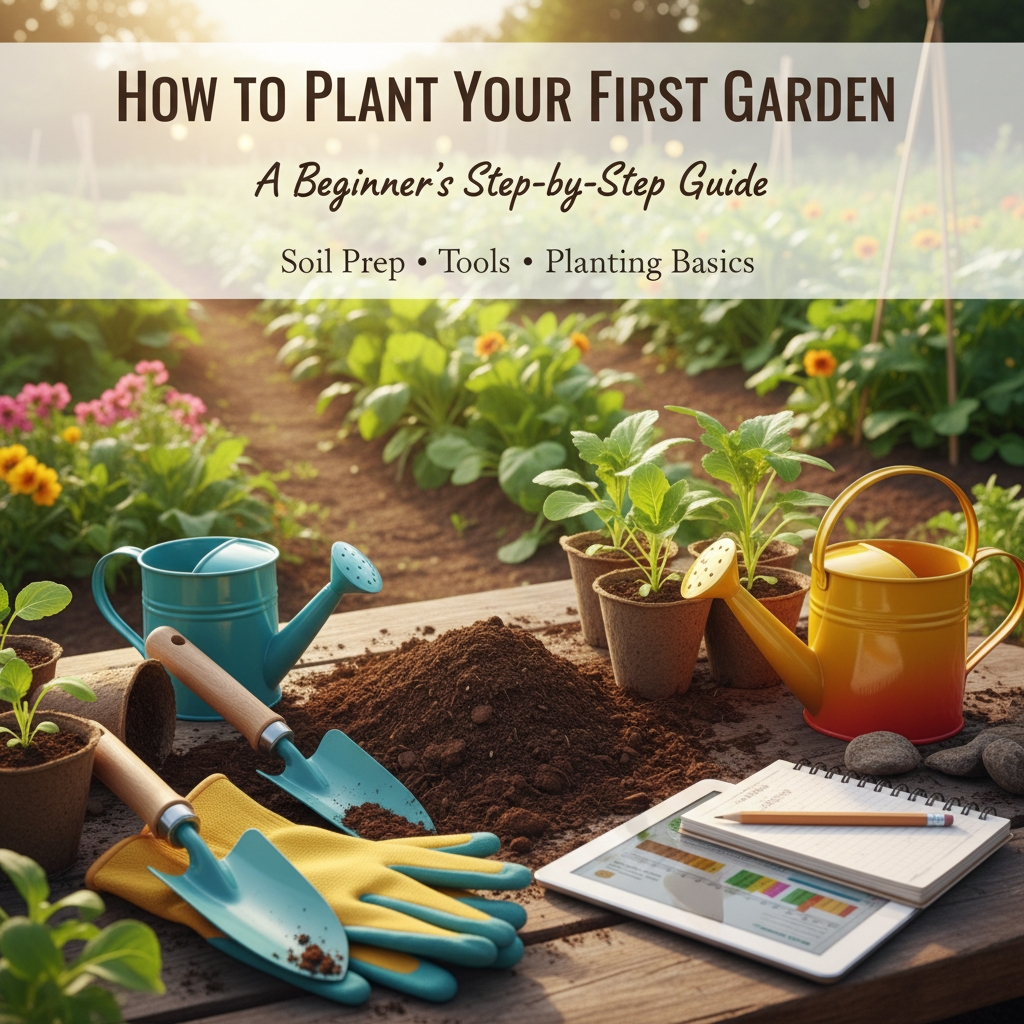
Starting your first garden is one of the most rewarding projects you can take on. Whether you want fresh vegetables, colourful flowers, or a calming outdoor space, gardening connects you with nature and delivers real results with surprisingly little equipment.
This beginner-friendly, step-by-step guide covers soil preparation, essential gardening tools, and planting basics, giving you everything you need to confidently plant your first garden and help it thrive.
Step 1: Choose the Right Spot for Your Garden
Before touching the soil, choosing the right location is critical for gardening success.
What to Look For:
Sunlight: Most vegetables and flowers need 6–8 hours of direct sunlight per day.
Drainage: Avoid areas where water pools after rain.
Accessibility: A garden near your home is easier to maintain.
Shelter: Some protection from strong winds helps young plants establish.
Beginner tip: Observe your garden space for a full day to track sunlight patterns before planting.
Step 2: Understand and Prepare Your Soil
Healthy soil is the foundation of a successful garden. Poor soil leads to weak plants, while good soil promotes strong roots and better yields.
Understanding Soil Types
Most garden soil falls into one of these categories:
Sandy soil: Drains quickly but lacks nutrients
Clay soil: Nutrient-rich but drains slowly
Loamy soil: Ideal balance of drainage and nutrients
If you’re unsure, grab a handful of damp soil:
Crumbles easily → Sandy
Sticks together → Clay
Holds shape but breaks apart → Loam
How to Prepare Garden Soil (Step-by-Step)
Clear the area – Remove weeds, stones, and debris.
Loosen the soil – Dig to about 20–30cm using a spade or fork.
Add organic matter – Compost or well-rotted manure improves structure and fertility.
Mix thoroughly – Blend amendments evenly into the soil.
Level the surface – Rake smooth before planting.
Tip: Improving soil health early reduces future maintenance and watering needs.
Step 3: Essential Gardening Tools for Beginners
You don’t need a shed full of tools to start gardening. These essentials cover most beginner needs.
Must-Have Gardening Tools:
Hand trowel – For planting and transplanting
Garden fork – Loosening compacted soil
Spade or shovel – Digging beds and holes
Watering can or hose – Gentle watering
Gardening gloves – Protect hands from blisters
Rake – Level soil and remove debris
Beginner tip: Quality tools last longer and make gardening far more enjoyable.
Step 4: Decide What to Plant First
For your first garden, choose plants that are easy to grow and forgiving of mistakes.
Best Plants for Beginner Gardeners:
Vegetables: Lettuce, radishes, carrots, courgettes, tomatoes
Herbs: Basil, mint, rosemary, chives
Flowers: Marigolds, sunflowers, nasturtiums
Start small. A manageable garden is more successful than an overambitious one.
Step 5: Planting Basics – Seeds vs Young Plants
Planting Seeds
Follow packet depth and spacing instructions
Water gently after planting
Keep soil moist until seedlings emerge
Planting Young Plants (Transplants)
Dig a hole slightly larger than the root ball
Place plant at the same depth as its pot
Firm soil gently around roots
Water thoroughly
Pro tip: Transplants offer faster results and higher success for beginners.
Step 6: Watering Your First Garden Correctly
Watering is one of the most common beginner mistakes.
Best Watering Practices:
Water early morning or evening
Water deeply, not frequently
Aim for soil moisture, not soggy ground
Focus water at the base of plants
Overwatering can cause root rot, while underwatering stresses plants.
Step 7: Mulching and Ongoing Care
Mulch helps retain moisture, suppress weeds, and improve soil health.
Mulching Options:
Bark chips
Straw
Grass clippings (untreated)
Compost
Apply a 5–7cm layer around plants, keeping it away from stems.
Common Beginner Gardening Mistakes to Avoid
Planting too closely together
Ignoring soil preparation
Overwatering
Starting with difficult plants
Skipping regular checks for pests
Gardening is a learning process—mistakes are part of the journey.
Start Small and Enjoy the Process
Planting your first garden doesn’t require expert knowledge—just patience, observation, and consistency. With proper soil preparation, basic tools, and beginner-friendly plants, you’ll quickly gain confidence and see real results.
At Garden-Review, we believe gardening should be accessible, enjoyable, and rewarding for everyone. Start small, learn as you grow, and most importantly—enjoy getting your hands dirty.
Frequently Asked Questions
When is the best time to start a garden in the UK?
Do I need fertiliser for my first garden?
How long does it take to see results?
Tags
Comments
Join the conversation
Create a free account to leave comments, share photos, and connect with other gardeners.
Related Articles
What to Plant in April in the UK
Discover what to plant in April in the UK, including vegetables, flowers, and herbs, plus expert tips for a thriving spring garden.

November Gardening Guide: What to Plant for a Thriving Garden
Discover what to plant in November for a thriving garden in the UK. Get a head start on the gardening year, with tips on sowing vegetables, growing beautiful flowers, and planting fruit trees in this comprehensive November gardening guide. Start your garden planning now!
Types of beginner garden plants: UK guide 2026
Discover essential types of beginner garden plants in this UK guide. Choose the right plants to boost your gardening success and confidence!
What to Do in the Allotment in April
April is when your allotment shifts from planning to action. With longer days and warming soil, this is the month that sets the tone for your entire growing season.