
When to Plant Perennials in the UK: The Ultimate Guide
Discover the best time to plant perennials in the UK. Expert advice on autumn vs spring planting, soil prep, and top varieties for a thriving garden.
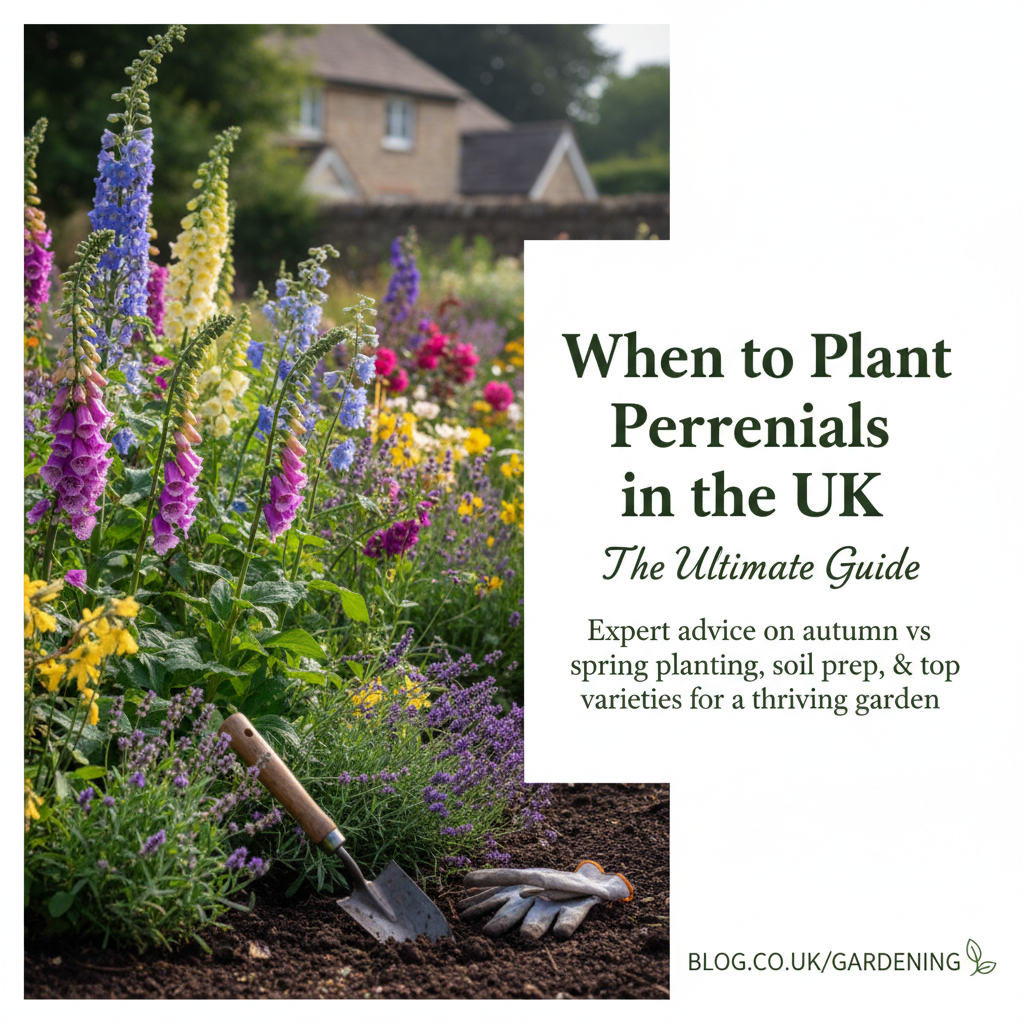
Knowing when to plant perennials in the UK is the secret to a thriving, low-maintenance garden. The ideal time to plant most hardy perennials is during the autumn (September to November) or spring (March to May). During these windows, the soil is moist and warm, allowing roots to establish before the extremes of winter frost or summer heat arrive.
Key Takeaways for Planting Perennials
- Autumn (Sept–Nov): Best for most hardy perennials to establish deep roots before spring.
- Spring (March–May): Ideal for tender perennials or gardens with heavy, waterlogged clay soil.
- Soil Preparation: Always incorporate organic matter like well-rotted manure or garden compost.
- Watering: Vital during the first growing season, even for drought-tolerant species.
- RHS Recommendations: Follow the "Right Plant, Right Place" principle to match perennials to your specific garden microclimate.
What is the Best Time of Year to Plant Perennials in the UK?
While container-grown perennials can technically be planted at any time of year - provided the ground isn't frozen or waterlogged - the shoulder seasons of autumn and spring offer the highest success rates. In the UK climate, planting during these periods reduces "transplant shock" and allows the plant to focus its energy on root development rather than foliage or flower production.
Planting in Autumn (September to November)
Many professional UK gardeners prefer autumn planting. The soil retains the heat from the summer months, but increased rainfall provides the consistent moisture required for root growth. By planting in October, for instance, a Geranium or Astrantia will have six months to settle in before the demands of the following summer.
Planting in Spring (March to May)
Spring is the preferred time for gardeners in Northern England or Scotland, where winter temperatures can be more severe. It is also the best time to plant perennials that are slightly more tender, such as Penstemon or Verbena bonariensis, as it ensures they aren't sitting in cold, wet soil immediately after being disturbed.
How to Plant Perennials: A Step-by-Step Guide
Proper planting technique is just as important as timing. Follow these RHS-aligned steps to ensure your perennials thrive for years to come.
- Hydrate the plant: Before removing it from its pot, soak the root ball in a bucket of water until bubbles stop rising.
- Prepare the hole: Dig a hole that is twice as wide as the root ball but no deeper. Loosen the soil at the base of the hole with a garden fork.
- Improve the soil: Mix the excavated soil with a generous amount of organic matter. If you have heavy clay, add grit to improve drainage.
- Check the depth: Place the plant in the hole. The top of the root ball should be level with the surrounding soil surface. Planting too deep can cause crown rot.
- Backfill and firm: Fill the gaps with your soil mix and firm down gently with your hands to remove air pockets.
- Water and mulch: Water heavily to settle the soil and apply a 5cm layer of mulch (like bark or leaf mould) around the base, keeping it away from the plant stems.
Choosing the Right Perennials for Your Garden
The success of your perennial border depends on selecting plants that match your soil type and light levels. Below is a comparison table of popular UK perennials categorized by their ideal growing conditions.
| Plant Name | Ideal Conditions | Flowering Period | Hardiness (RHS) |
|---|---|---|---|
| Hellebores | Dappled Shade / Moist Soil | Jan – April | H7 (Very Hardy) |
| Lavandula (Lavender) | Full Sun / Well-drained | June – August | H4 (Hardy) |
| Hostas | Full Shade / Damp Soil | July – August | H7 (Very Hardy) |
| Rudbeckia | Full Sun / Medium Soil | August – October | H6 (Hardy) |
| Geranium (Hardy) | Any / Well-drained | May – September | H7 (Very Hardy) |
Common Mistakes When Planting Perennials
Avoid these frequent pitfalls to ensure your garden reaches its full potential:
- Neglecting Soil Prep: Perennials stay in the ground for years. If you don't enrich the soil now, the plant will eventually lose vigour.
- Crowning: Burying the "crown" (where the stems meet the roots) too deep can kill the plant. Always check the soil level.
- Poor Spacing: It is tempting to plant close together for an instant look, but always check the final spread of the plant. Air circulation is vital to prevent fungal diseases like powdery mildew.
- Forgetting New Plants: Even "drought-tolerant" plants need regular watering in their first year until their root system is established.
Special Considerations for UK Soil Types
UK gardens vary wildly from the acidic, sandy soils of Surrey to the heavy, alkaline clays of the Midlands. Clay soil retains nutrients well but can bake hard in summer and waterlog in winter; adding grit and organic matter is essential here. Sandy soil drains quickly and leaches nutrients, so perennials in these gardens require more frequent mulching and organic "feeding" to maintain health.
"A perennial garden is a long-term investment. By spending time on soil preparation in the autumn, you are ensuring a spectacular display that will return year after year with minimal effort." — Garden-Review Expert Tip
Frequently Asked Questions
Can I plant perennials in winter?
How often should I water newly planted perennials?
What is the difference between a hardy and a tender perennial?
Do I need to feed my perennials after planting?
When can I divide existing perennials?
Tags
Comments
Join the conversation
Create a free account to leave comments, share photos, and connect with other gardeners.
Related Articles
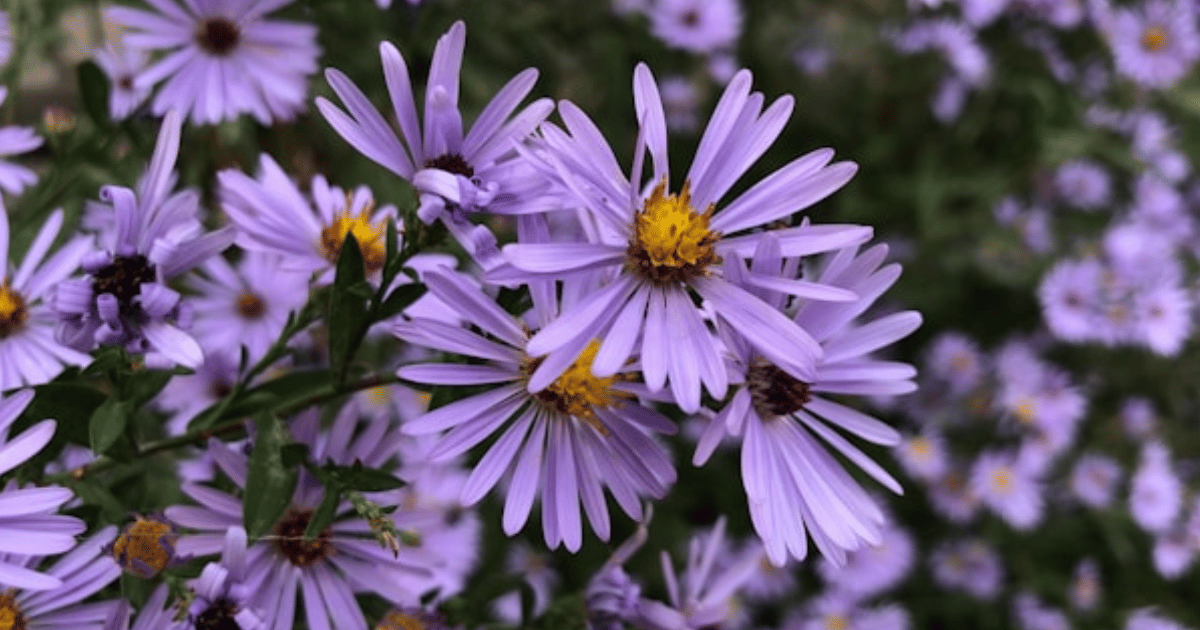
Best Autumn Flowers for UK Gardens: Late-Season Colour
Asters, sedums, dahlias and Japanese anemones: the best autumn flowers to extend colour and support pollinators into November.

Top 10 Plants for Dry Shade: A UK Gardener's Guide
Transform the darkest, driest corners of your UK garden with our expert guide to the best plants for dry shade, from hardy ferns to winter-flowering shrubs.
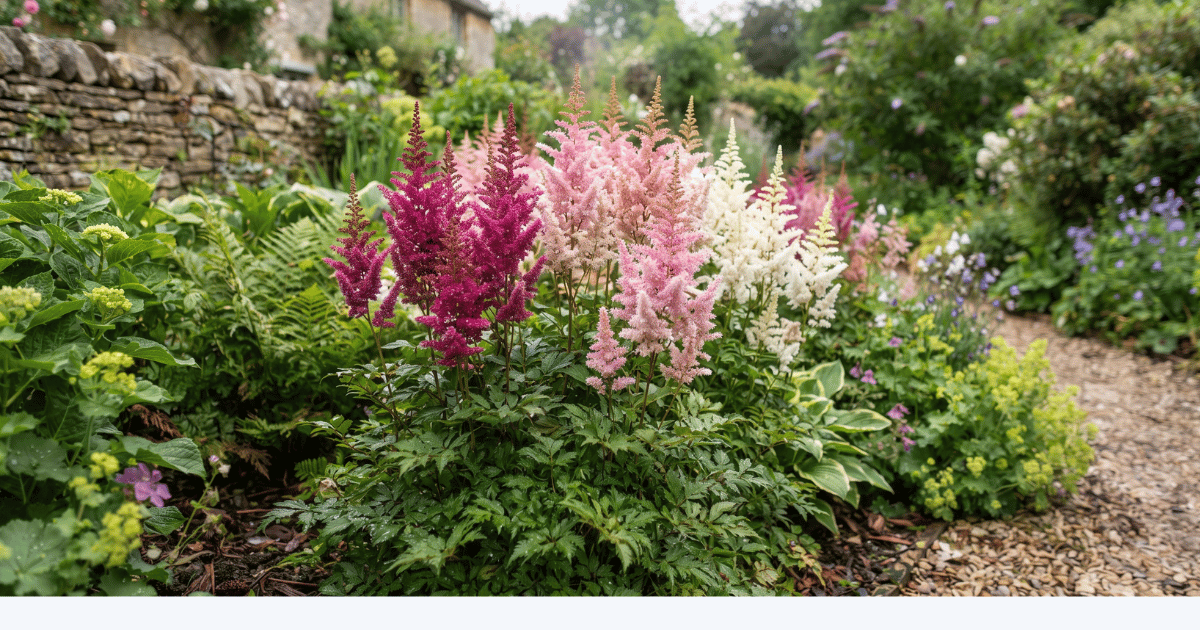
How to Grow Astilbe: Complete UK Care Guide
Astilbe brings feathery plumes of colour to moist, shady borders in summer, but needs consistently damp soil to prevent scorched, crispy foliage.
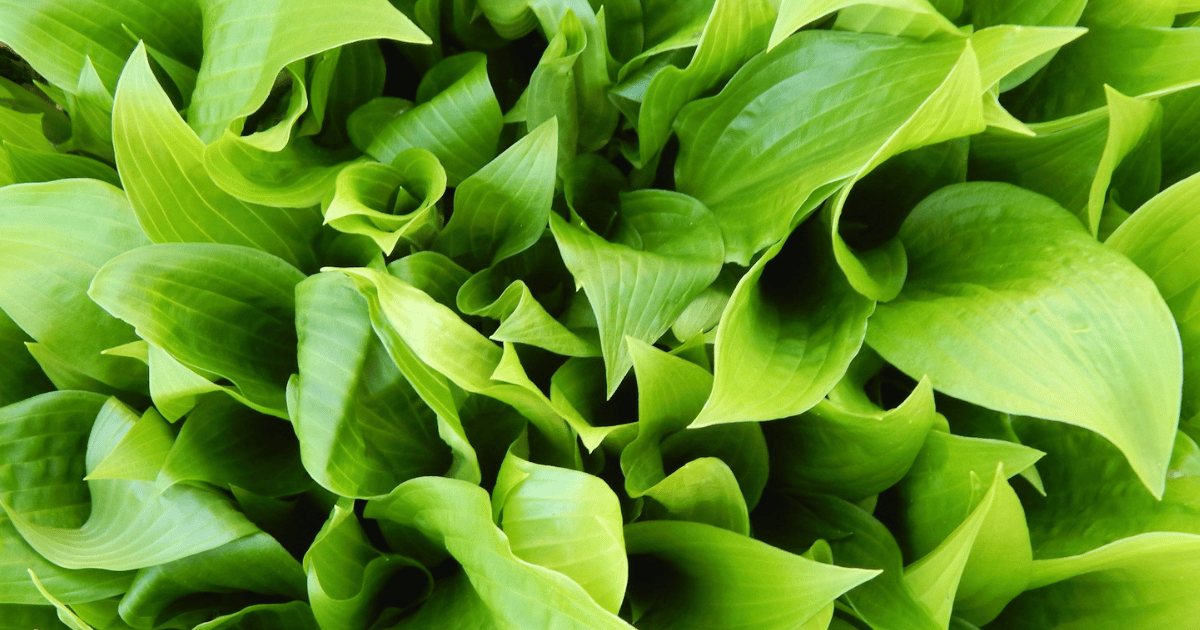
How to Grow Hostas: Complete UK Care Guide
Hostas are among the best foliage perennials for shady UK gardens, but slugs and snails mean choosing the right variety and site is essential for success.
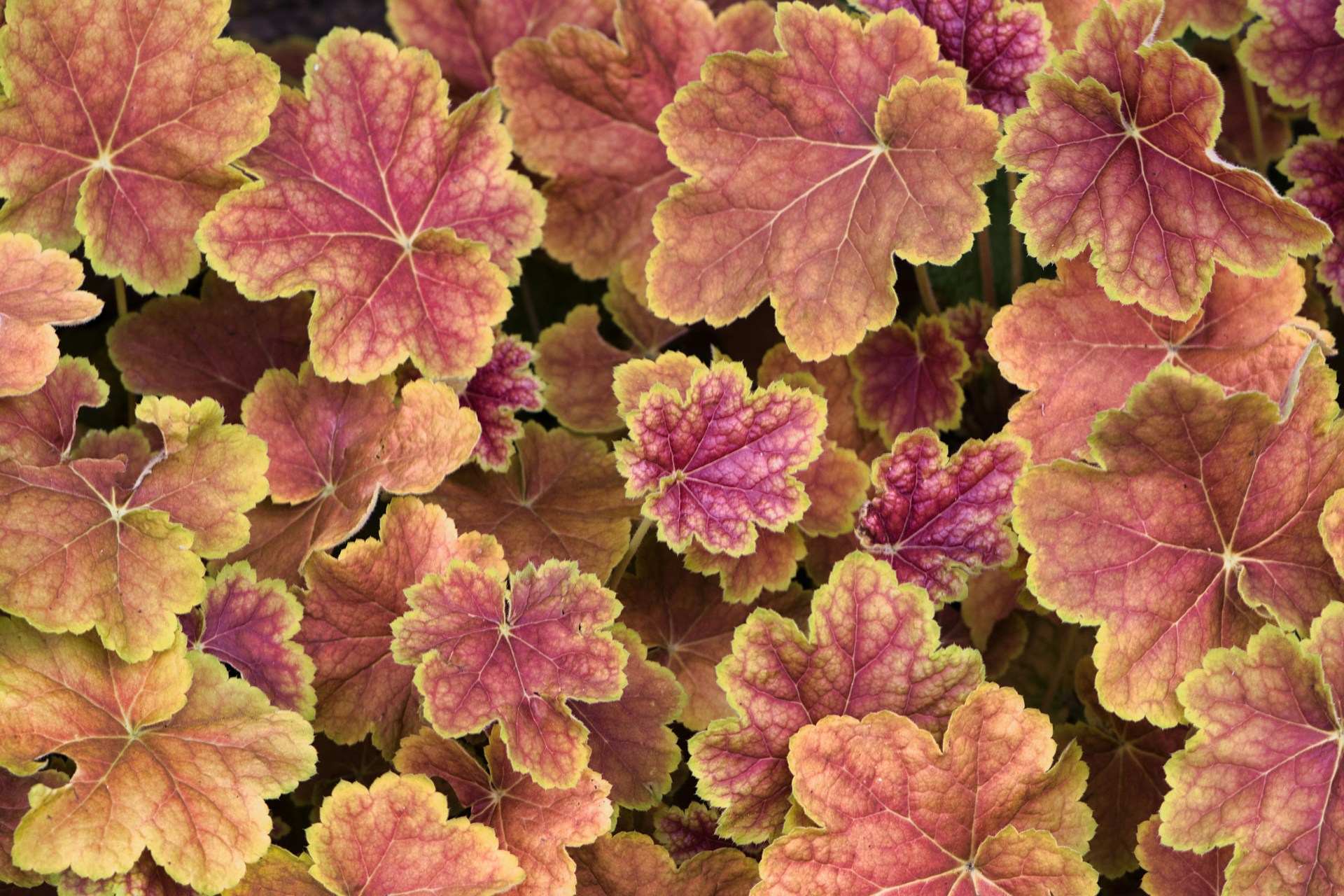
How to Grow Heuchera: Complete UK Care Guide
Heuchera is grown chiefly for its striking evergreen foliage, with leaf colour shifting depending on light levels, and works well in beds and pots alike.
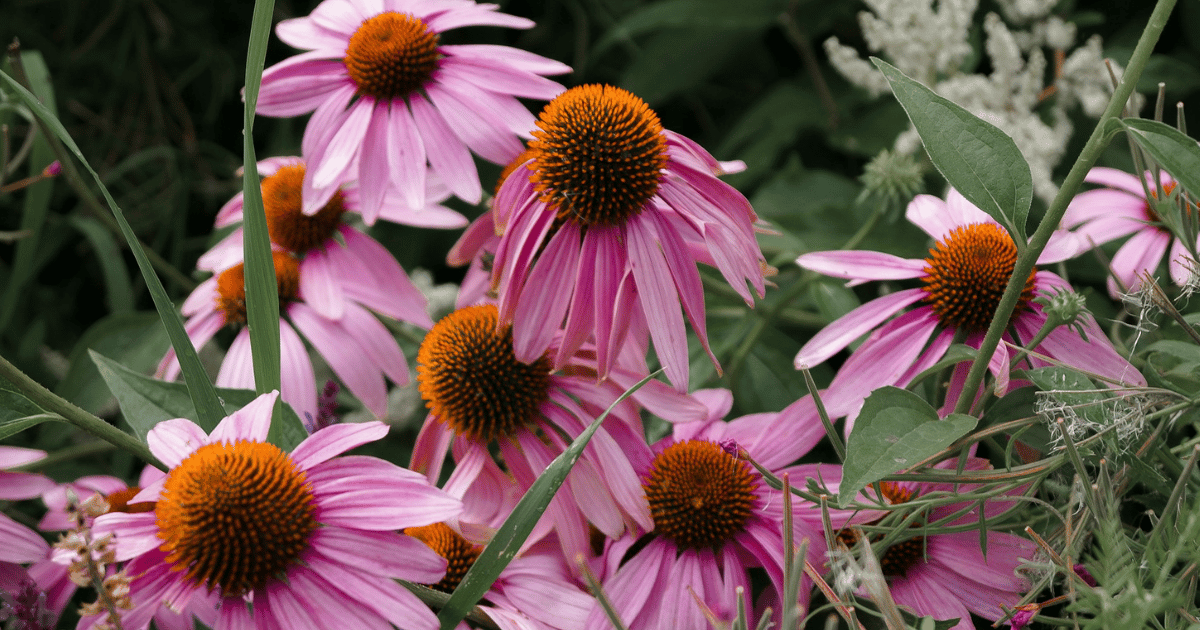
How to Grow Echinacea: Complete UK Care Guide
Echinacea, or coneflower, brings bold prairie colour to borders from midsummer into autumn, provided it has sun and sharply drained soil.