
Gardening for Beginners: How to Start Your First Garden (Without Killing Everything)
Learn exactly what plants need to grow and how to start your first garden without feeling overwhelmed. This friendly, expert guide covers the five essentials (light, water, air, nutrients, temperature), practical tips, and real beginner advice for UK gardeners.
Key takeaways
- Whether it was a droopy basil on a windowsill or a tomato seedling that didn’t make it, the truth is that most beginner gardeners aren’t careless—they’re just overloaded with conflicting advice.
- You don’t need a science degree to grow a healthy garden, but you do need to understand these five pillars of plant health.
- If you have heavy clay or sandy soil, mix in compost or well-rotted manure to improve drainage and fertility.
- It’s about paying attention and celebrating each new sprout.
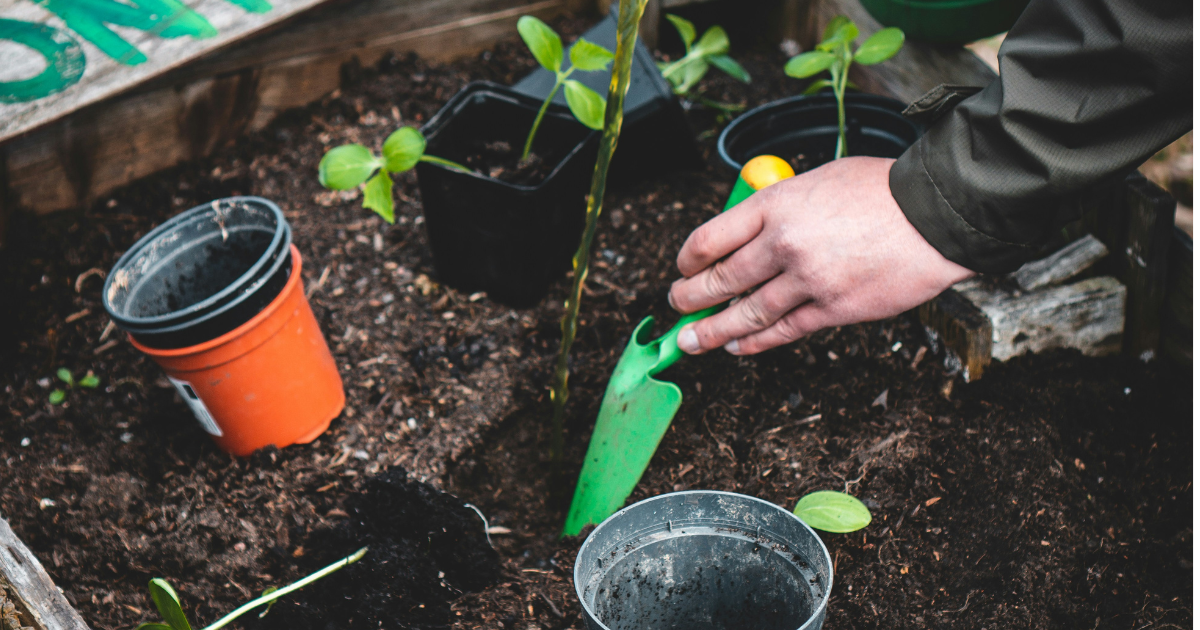
Plants need five basic things to thrive: light, water, air, nutrients, and the right temperature. Give your garden these essentials and you’ll be amazed at how quickly things grow. Gardening is less about having a "green thumb" and more about understanding what your plants are asking for, one leaf at a time.
Remember Your First Plant? Why Most Beginners Struggle
Let’s be honest: we’ve all killed a plant or two. Whether it was a droopy basil on a windowsill or a tomato seedling that didn’t make it, the truth is that most beginner gardeners aren’t careless—they’re just overloaded with conflicting advice. The real secret is simple: if you know what your plants need to grow, you’re already halfway there.
The Five Essentials: What Every Plant Needs
You don’t need a science degree to grow a healthy garden, but you do need to understand these five pillars of plant health.
1. Light
Plants convert sunlight into energy via photosynthesis. Most vegetables and flowers require at least 6 hours of sun daily. If your garden is shady, opt for shade-tolerant plants like ferns or hostas.
2. Water
Water is the lifeblood of your plant, but balance is key. A good rule of thumb: stick your finger into the soil. If it’s dry past your first knuckle, it’s time to water.
3. Air
Plants need carbon dioxide for photosynthesis, and roots need oxygen to survive. Good air circulation also prevents mould and disease. Outdoors this is natural, but indoor plants benefit from a gentle breeze from an open window.
4. Nutrients
Soil provides essential minerals: nitrogen, phosphorus, and potassium. Adding compost or a balanced fertiliser ensures your plants have the "food" they need to grow strong.
5. Temperature
Every plant has a comfort zone. While tomatoes love the heat, lettuce prefers cooler spots. Always check seed packets to ensure your plants are suited to the current UK season.
The “Goldilocks” Principle: Plants don’t want it too hot, too cold, too wet, or too dry. They want it just right!
Choosing What to Grow: Beginner-Friendly Crops
Not every plant is right for every space. Here are the best crops for beginners in the UK:
- Salad leaves: Quick, forgiving, and perfect for pots.
- Herbs (Mint, Chives, Parsley): Low-maintenance and great for cooking.
- Radishes & Spring Onions: Fast growers that show results in weeks.
- Sunflowers & Nasturtiums: Great for pollinators and fun for kids.
Gardening Skills: Soil and Watering Tips
What Makes Good Garden Soil?
Healthy soil should feel crumbly and smell earthy. If you have heavy clay or sandy soil, mix in compost or well-rotted manure to improve drainage and fertility.
The Squeeze Test: Grab a handful of damp soil and squeeze. If it forms a ball that crumbles when poked, your soil is perfect.
Watering Wisely
Over-watering is the #1 mistake beginners make. Soggy roots suffocate. Aim to water deeply but less often to encourage roots to grow strong and search for moisture deep underground.
Quick Reference: The Five Essentials at a Glance
| Plant Need | Why It’s Important | How to Provide It |
|---|---|---|
| Light | Powers photosynthesis | Sun, grow lights, or bright windowsills |
| Water | Enables nutrient uptake | Deep, infrequent watering |
| Air | Required for respiration | Ventilation and well-aerated soil |
| Nutrients | Fuels growth and fruit | Compost, manure, or fertiliser |
| Temperature | Affects germination | Sow seeds in the correct season |
Your First Garden Checklist
- Choose 1-2 easy plants (like salad or herbs).
- Identify the sunniest spots in your garden or home.
- Prep your soil with a little compost.
- Water only when the soil feels dry.
- Observe your plants daily for changes.
Remember: Gardening isn’t about perfection. It’s about paying attention and celebrating each new sprout. Happy growing!
Frequently Asked Questions: Gardening for Beginners: How to Start Your First Garden
What do plants absolutely need to survive?
How often should I water my plants?
Why are my plant leaves turning yellow?
Tags
Comments
Join the conversation
Create a free account to leave comments, share photos, and connect with other gardeners.
Related Articles

Thames Water Imposes Hosepipe Ban Amid Historic Drought
Thames Water announces a hosepipe ban from July 22 due to unprecedented dry conditions, affecting 1.1 million customers in southern England.

7 Genius Urban Gardening Ideas for Small Spaces, Balconies & Indoors
Creative urban gardening ideas for small spaces—grow herbs, veg & flowers on balconies, windowsills & indoors with ease.

When should I prune back lavender?
This guide outlines lavender pruning for UK gardeners, highlighting optimal timing, techniques, and the importance of regular maintenance for robust growth.

Are Lithium-Ion Batteries in Your Garden a Cause for Concern?
Lithium-ion batteries have revolutionised garden equipment and power tools. They offer cordless freedom, lighter weight, and longer run times compared to traditional NiMH batteries and offer advantages over messy, noisy and more polluting petrol machinery. But with this convenience comes a question: are people worried about the safety of lithium-ion batteries in their gardens and […]

The Three Sisters: A Harmony of Growth in Vegetable Planting
In the ever-evolving world of allotment and vegetable growing, some methods stand the test of time. Among them is the ancient practice of Three Sisters planting, a technique rooted in Indigenous agricultural traditions of the Americas. This time-honoured method not only exemplifies the ingenuity of early growers but also offers a blueprint for sustainable, symbiotic […]

What Can I Put on My Compost Heap?
Composting reduces waste and enriches soil by balancing green and brown materials. Certain items enhance compost, while others should be avoided.