
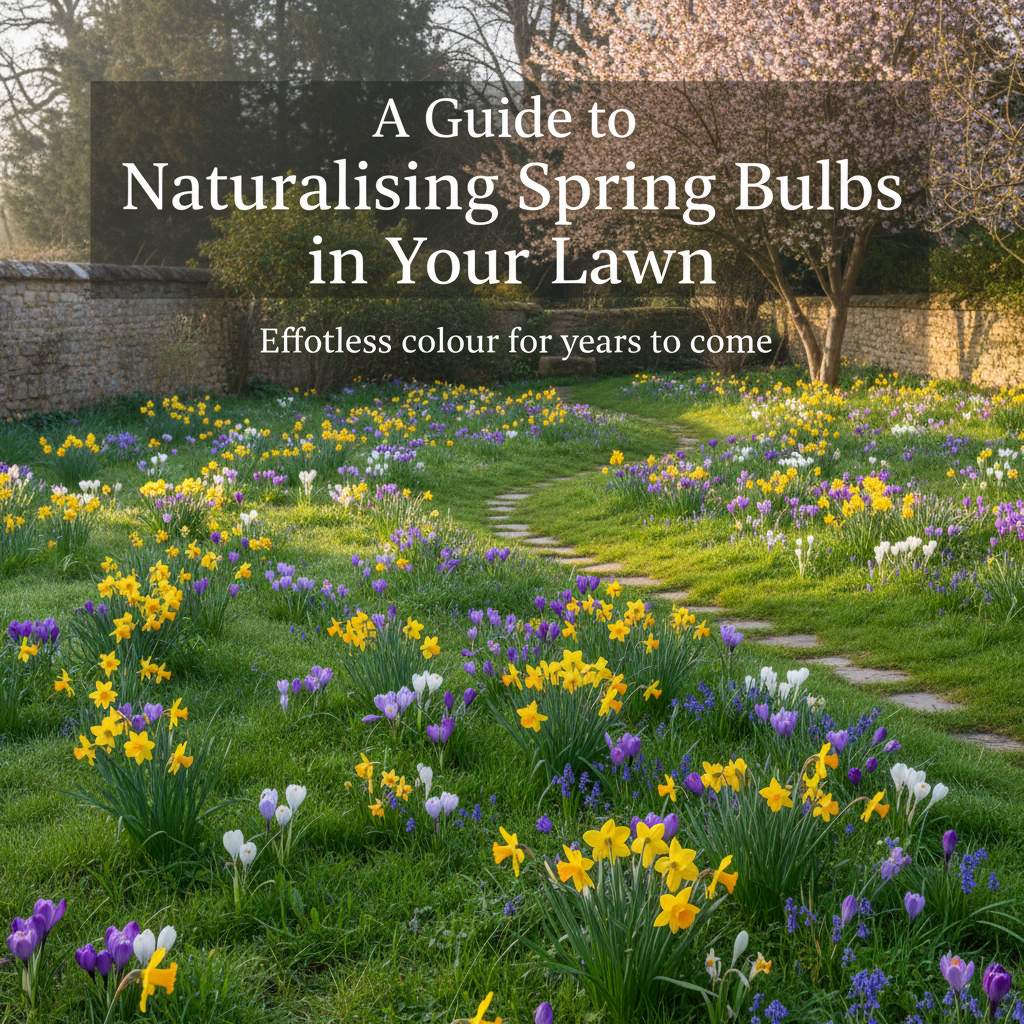
A Guide to Naturalising Spring Bulbs in Your Lawn
Learn how to create a breathtaking spring meadow in your UK garden by naturalising bulbs like crocuses and daffodils for years of effortless colour.
Bring Your Garden to Life: The Art of Naturalising Bulbs
There is nothing quite as magical in the British gardening calendar as the first sight of snowdrops or crocuses peeking through a frost-dusted lawn. Naturalising bulbs—the process of planting them so they look like they have grown wild and will return year after year - is one of the most rewarding ways to enhance your outdoor space.
Unlike formal bedding displays, naturalised bulbs require very little intervention once established. They spread through self-seeding or underground offsets, creating a tapestry of colour that feels inherently part of the landscape.
In this guide, we will explore the best varieties for the UK climate, the techniques for a natural look, and the vital maintenance steps to ensure your display thrives for decades.
Why Naturalise? The Benefits for You and the Bees
Beyond the aesthetic appeal, naturalising bulbs offers significant ecological benefits. Early-flowering varieties like Crocus tommasinianus provide a vital source of nectar for queen bumblebees emerging from hibernation on mild February days.
It is also a cost-effective way to garden; a one-off investment in the right bulbs will pay dividends as they multiply over time, covering larger areas without any extra cost.
Choosing the Best Bulbs for UK Lawns and Orchards
Not all bulbs thrive when planted in grass. To succeed, choose varieties that are vigorous enough to compete with grass roots but small enough that their foliage doesn’t look unsightly as it dies back.
1. Snowdrops (Galanthus nivalis)
Snowdrops are the harbingers of spring, typically flowering in late January or February in the UK. While dry bulbs can be planted in autumn, they are most successful when planted “in the green” (after flowering but while still in leaf) in late February.
2. Crocus (Crocus tommasinianus and C. chrysanthus)
The ‘Tommie’ crocus is the king of naturalising. It is prolific, relatively squirrel-resistant, and spreads rapidly. For a classic purple carpet, Crocus tommasinianus ‘Ruby Giant’ is unbeatable, while Crocus flavus offers rich golden tones.
3. Wild Daffodils and Small Narcissi
Avoid large, heavy-headed daffodils for lawns. Instead, choose the British native Narcissus pseudonarcissus or smaller cultivars such as ‘Tête-à-tête’ or ‘February Gold’. Their compact size makes them ideal for informal settings.
4. Snake’s Head Fritillary (Fritillaria meleagris)
Perfect for damper areas and meadows, these nodding, chequered flowers thrive in the clay soils found across much of the UK. They bloom in April and naturalise beautifully over time.
5. Wood Anemones (Anemone nemorosa)
Ideal for shaded areas beneath deciduous trees, wood anemones form striking white carpets in
Tags
Comments
Join the conversation
Create a free account to leave comments, share photos, and connect with other gardeners.
Related Articles
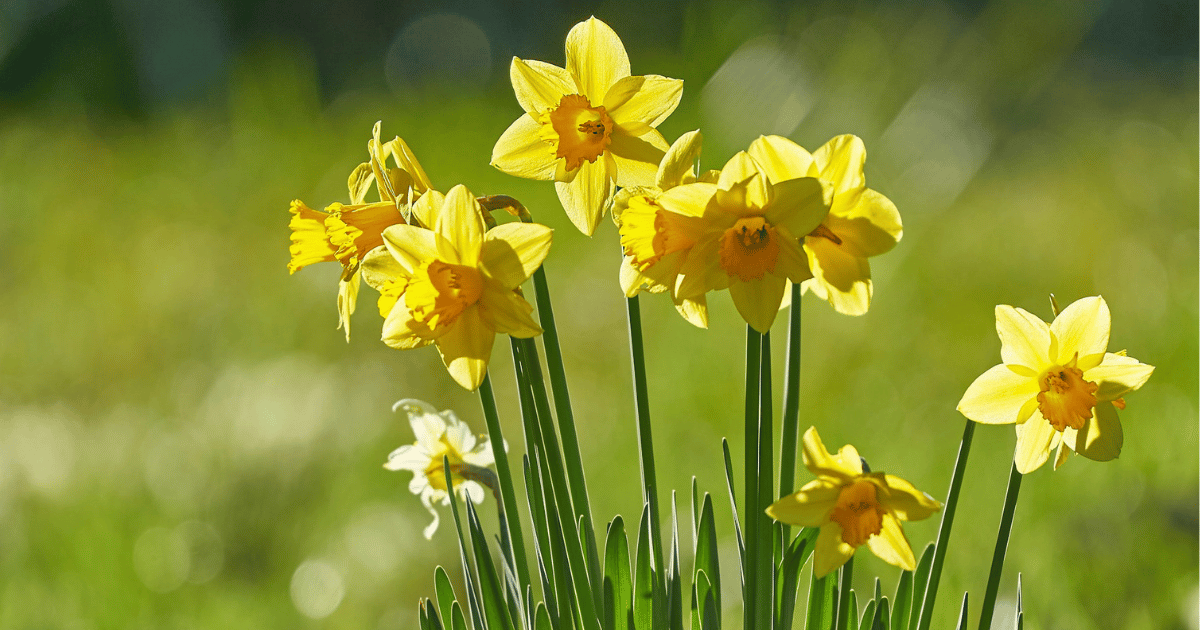
How to Grow Daffodils: Complete UK Care Guide
Daffodils are one of the easiest and most reliable spring bulbs for UK gardens, bringing cheerful colour from late winter through to April.

5 Bulbs you can grow in water in time for Christmas
Bringing indoor bulbs like hyacinth, paperwhite, and amaryllis in water enhances Christmas décor with fragrant and vibrant displays.

Choosing and Growing the Best Clematis for UK Gardens
Discover how to grow beautiful Clematis in the UK. This guide covers pruning groups, seasonal care, and the best varieties for vertical interest in your garden.

A Guide to Pruning Apple and Pear Trees for UK Gardens
Master the art of winter and summer pruning for apple and pear trees. Our guide covers timing, techniques, and tool care for a bumper British fruit harvest.

Choosing and Planting Ornamental Trees for Small Gardens
Transform your outdoor space with the best ornamental trees for small gardens. Expert advice on UK varieties, planting techniques, and seasonal care.

Cobra MX534SPH Review: UK Gardener's Guide
The Cobra MX534SPH is a popular petrol lawnmower among UK gardeners, boasting a powerful Honda GCVX170 engine and versatile 4-in-1 cutting options. Our in-depth review explores its suitability for various British lawn types, from suburban plots to expansive country gardens, providing specific insights, practical advice, and comparisons to help you make an informed decision.