
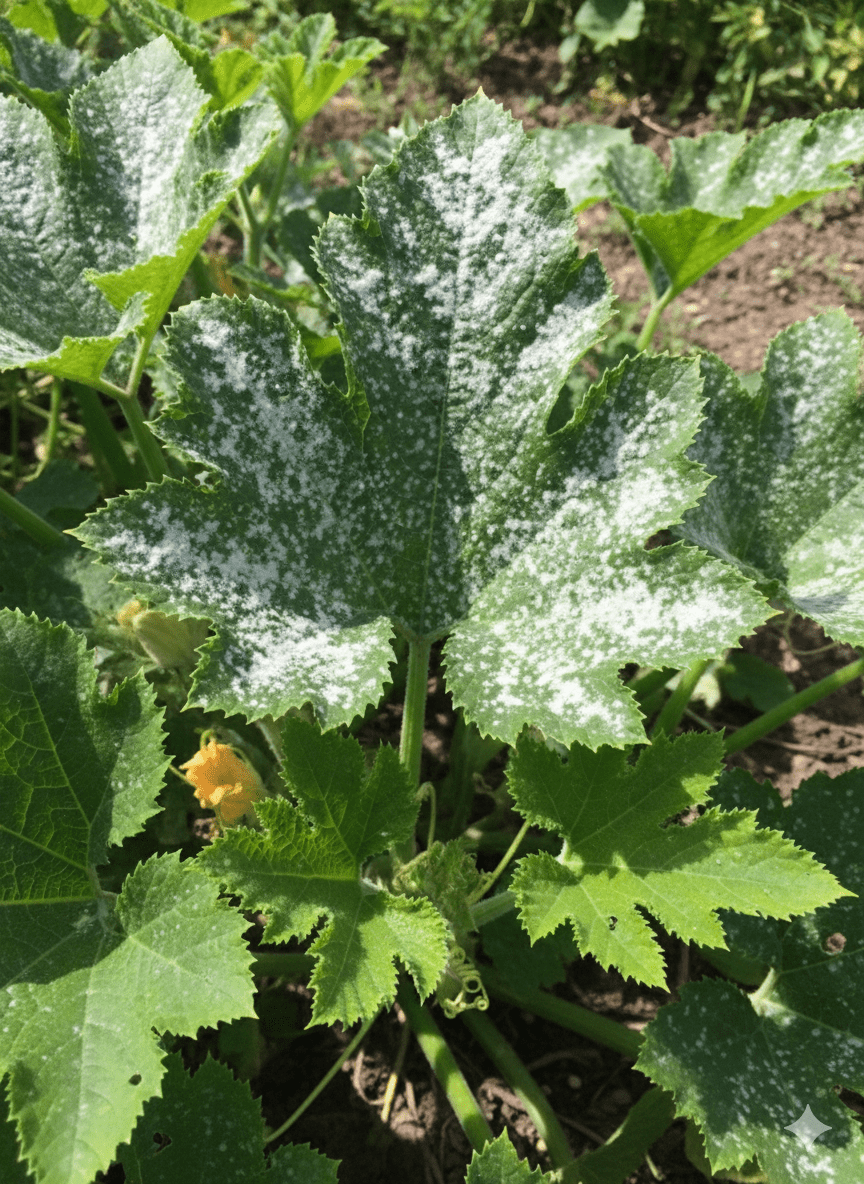

Powdery mildew is one of the most common (and frustrating!) plant diseases faced by UK gardeners. It can affect everything from roses and courgettes to apples, peas and ornamentals, often appearing just as plants should be thriving.
The good news? While powdery mildew looks alarming, it’s usually manageable with the right approach. Here’s everything you need to know about identifying, treating and preventing powdery mildew in UK gardens.
What Is Powdery Mildew?
Powdery mildew is a fungal disease caused by several related fungi. It appears as a white or grey powdery coating on leaves, stems, flowers and sometimes fruit.
Unlike many fungal diseases, powdery mildew doesn’t need wet leaves to thrive. Instead, it prefers:
- Mild temperatures
- Dry leaves
- High humidity
This makes it particularly common in the UK during late spring, summer and early autumn.
Common Plants Affected by Powdery Mildew in the UK
Powdery mildew can affect a wide range of plants, including:
- Roses
- Apples and pears
- Courgettes, squash and pumpkins
- Peas and beans
- Phlox and delphiniums
- Gooseberries and blackcurrants
Some varieties are more resistant than others, but no plant is completely immune.
How to Identify Powdery Mildew
Early detection is key. Look out for:
- White, flour-like patches on leaf surfaces
- Leaves becoming distorted, curled or yellowing
- Slower growth and reduced flowering
- Poor fruit development on crops
If left untreated, powdery mildew can weaken plants and significantly reduce yields.
Can Powdery Mildew Be a Problem in Winter?
In winter, powdery mildew is usually inactive, but it doesn’t completely disappear.
In the UK, the fungus can:
- Overwinter on dormant buds
- Survive on infected plant debris
- Re-emerge when temperatures rise in spring
This is why good winter garden hygiene is so important for prevention.
How to Treat Powdery Mildew
1. Remove Infected Growth
As soon as you spot powdery mildew:
- Prune off affected leaves or shoots
- Dispose of them in household waste, not compost
This helps prevent spores spreading.
2. Improve Airflow
Crowded plants are far more susceptible. To reduce risk:
- Space plants correctly
- Prune for better airflow
- Avoid overcrowded borders
This is especially important in greenhouses and polytunnels.
3. Use Organic Treatments
Many UK gardeners prefer natural solutions, such as:
- Milk spray (diluted 1:10 with water)
- Baking soda solutions (used carefully)
- Sulphur-based fungicides approved for garden use
Always follow label instructions and test sprays on a small area first.
How to Prevent Powdery Mildew in the UK
Prevention is far easier than cure. Here’s how to reduce the risk:
Choose Resistant Varieties
Many modern fruit and vegetable varieties are bred with improved mildew resistance — ideal for UK conditions.
Water Correctly
- Water at the base of plants
- Avoid overhead watering late in the day
- Keep soil evenly moist
Stressed plants are far more vulnerable to infection.
Feed Plants Well
Balanced feeding helps plants resist disease. Avoid excessive nitrogen, which can encourage soft, mildew-prone growth.
Autumn and Winter Clean-Up
In late autumn and winter:
- Remove fallen leaves
- Cut back infected plants
- Clean tools thoroughly
This reduces the chance of spores surviving into the next growing season.
Powdery Mildew on Fruit Trees
On apple trees and other fruit trees, powdery mildew can affect:
- New shoots
- Flower buds
- Developing fruit
Winter pruning is an excellent time to remove infected shoots and reduce disease pressure before spring growth begins.
Should You Worry About Powdery Mildew?
While powdery mildew is common in UK gardens, it’s rarely fatal if dealt with early. With good airflow, sensible watering and seasonal maintenance, most gardeners can keep it under control.
A little prevention goes a long way – and your plants will reward you with healthier growth and better harvests.



 Garden Review UK
Leave a comment