
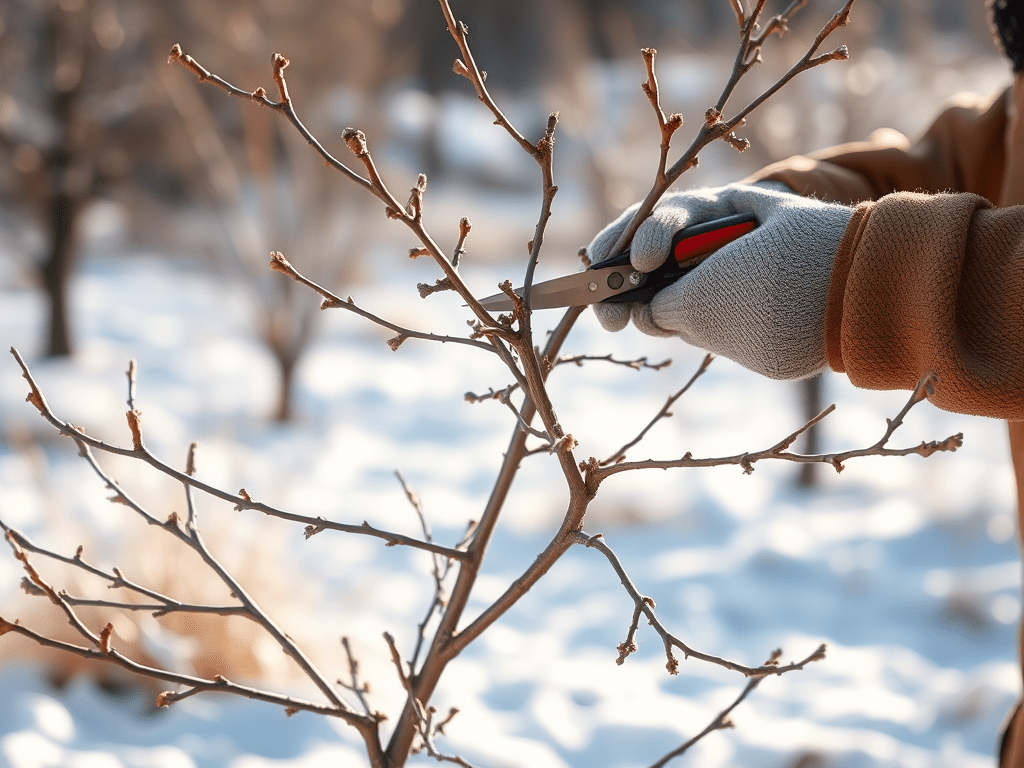

Pruning apple trees is one of those essential winter gardening jobs that will make a huge difference to the health, shape and productivity of your tree. But when the new year arrives and the garden is still deep in winter, many UK gardeners wonder: is January actually a good time to prune apple trees?
The short answer is yes – January is often an excellent time, as long as conditions are right. Let’s take a closer look at why, and how to do it properly.
Why Winter Is the Best Time to Prune Apple Trees
In the UK, apple trees are deciduous, meaning they lose their leaves and go fully dormant over winter. This dormant period typically runs from late November through to early March, depending on weather and location.
January sits right in the middle of this window, making it ideal for several reasons:
- The tree is dormant, so pruning causes minimal stress
- The branch structure is clearly visible without leaves in the way
- Cuts heal well once growth resumes in spring
- You can shape the tree before new buds form
Winter pruning also encourages vigorous new growth, which is exactly what you want for a healthy apple tree.
When January Pruning Works Best in the UK
January pruning is most effective when:
- The weather is dry
- There is no hard frost forecast
- Temperatures are consistently above freezing
While apple trees are hardy, pruning during a hard frost can damage exposed wood and slow healing. If the ground is frozen solid or snow-covered, it’s best to wait for a milder spell.
In much of southern England, January pruning is usually straightforward. In colder northern regions or higher elevations, late January or early February may be safer.
Benefits of Pruning Apple Trees in January
Pruning in January offers several key advantages for UK gardeners:
1. Better Shape and Structure
Winter pruning helps you:
- Remove crossing or rubbing branches
- Improve airflow through the canopy
- Maintain a balanced, open shape
- Train tree can be trained to grow inn different shapes and styles – such as espalier, stepover ect,,,
This reduces disease risk later in the year.
2. Improved Fruit Quality
By thinning overcrowded branches, the tree can focus its energy on producing fewer but better-quality apples.
3. Disease Prevention
Removing dead, damaged or diseased wood in winter reduces the spread of:
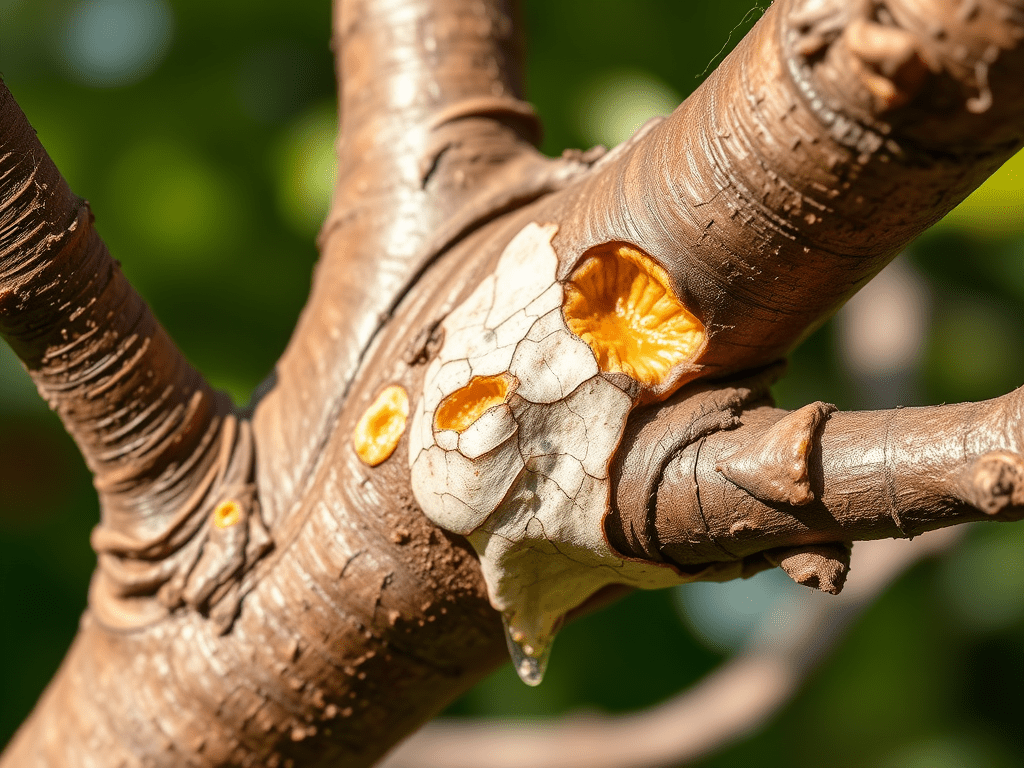
- Canker
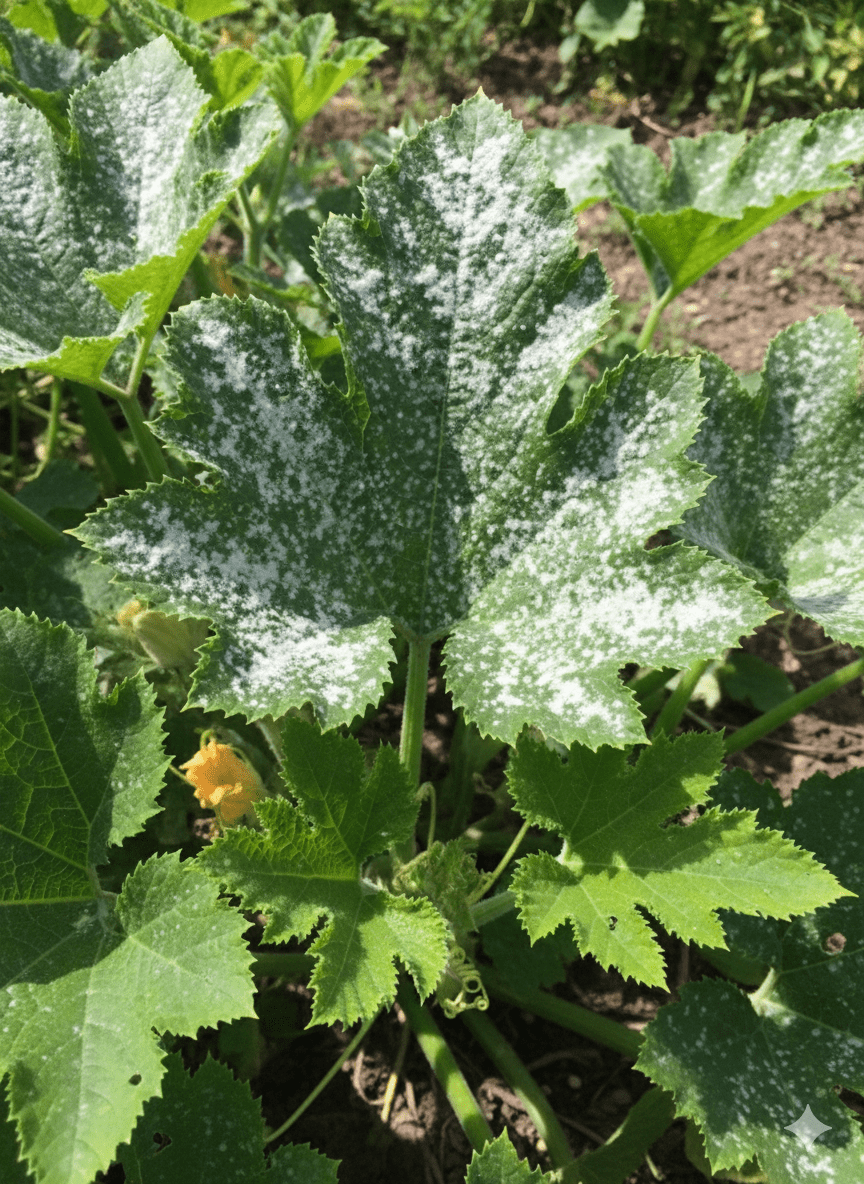
- Powdery mildew
- Apple scab
Always dispose of diseased cuttings rather than composting them.
What to Prune on Apple Trees in January
When pruning your apple tree in January, focus on:
- Dead or diseased branches
- Crossing or inward-growing shoots
- Water sprouts (upright, fast-growing shoots)
- Overcrowded areas of the canopy
Aim to create an open, goblet-shaped structure, allowing light and air to reach the centre of the tree.
As a general rule, avoid removing more than 25–30% of the tree in a single year.
What Not to Do in January
While January is ideal for structural pruning, there are a few things to avoid:
- ❌ Don’t prune during hard frost
- ❌ Don’t over-prune young trees
- ❌ Don’t prune stone fruit (like plums or cherries) – these are best left until summer
Apple trees respond well to winter pruning, but other fruit trees have different requirements.
What About Young vs Mature Apple Trees?
- Young apple trees benefit from light pruning in January to establish shape and framework
- Mature trees can handle more substantial pruning to maintain productivity
If you’ve inherited an overgrown apple tree, winter is the safest time to gradually bring it back under control.
Is January a Good Time to Prune Apple Trees?
For most UK gardens, January is one of the best times to prune apple trees, provided the weather is mild and frost-free. Pruning during this dormant period sets your tree up for strong spring growth, better fruiting and long-term health.
If you miss January due to poor weather, don’t worry – February is usually just as good, especially in colder parts of the UK.

 Garden Review UK
Leave a comment