

Apple scab is one of the most common and damaging diseases affecting apple trees in gardens and orchards across the UK. At Garden-Review, we frequently hear from gardeners puzzled by dark, scabby marks on apples or olive-green blotches on leaves – classic signs of apple scab.
This comprehensive guide explains what apple scab is, what causes it, how to identify it, and how to prevent and manage it effectively to protect both crop quality and tree health.
What Is Apple Scab?
Apple scab is a fungal disease caused by Venturia inaequalis. It primarily affects apple trees but can also infect crab apples. The disease attacks leaves, blossom, shoots, and fruit, reducing yields and causing cosmetic and structural damage to apples.
While apple scab rarely kills mature trees, repeated infections can significantly weaken them and make fruit unsuitable for storage or eating.
Plants Affected by Apple Scab
- Apple trees (Malus domestica)
- Crab apple trees (Malus species)
Pears are affected by a closely related but different fungus (Venturia pyrina).
What Causes Apple Scab?
Apple scab develops when fungal spores infect young, tender growth during cool, wet spring weather.
The Apple Scab Life Cycle
- The fungus overwinters in fallen, infected leaves
- In spring, spores are released during rainfall
- Wind and rain spread spores to new leaves and blossoms
- Secondary infections occur throughout the growing season in wet conditions
Prolonged leaf wetness is the key factor in disease development.
Symptoms of Apple Scab
Symptoms vary depending on the part of the tree affected.
Leaf Symptoms
- Olive-green or brown velvety spots
- Spots darken and may become black
- Distorted, curled, or prematurely dropped leaves
Fruit Symptoms
- Dark, corky, scabby lesions on the skin
- Cracked or misshapen apples
- Reduced fruit size and quality
Shoot and Blossom Symptoms
- Lesions on young shoots
- Blossom infection leading to poor fruit set
Why Apple Scab Is a Problem
Although scab rarely kills trees, it can:
- Reduce crop yield
- Make fruit unattractive or inedible
- Shorten storage life of apples
- Weaken trees through repeated defoliation
In wet years, apple scab can cause severe losses for gardeners and growers.
How to Diagnose Apple Scab Correctly
Apple scab can usually be identified visually. At Garden-Review, we recommend:
- Inspecting leaves in spring for olive-green spots
- Checking fruit for corky, raised lesions
- Noting whether symptoms worsen after wet weather
If unsure, laboratory testing can confirm the presence of Venturia inaequalis.
How to Treat and Manage Apple Scab
Once symptoms appear, management focuses on limiting spread, as existing lesions cannot be cured.
1. Remove Infected Material
- Collect and destroy fallen leaves in autumn
- Remove heavily infected fruit and shoots
- Do not compost infected material unless compost reaches high temperatures
2. Improve Air Circulation
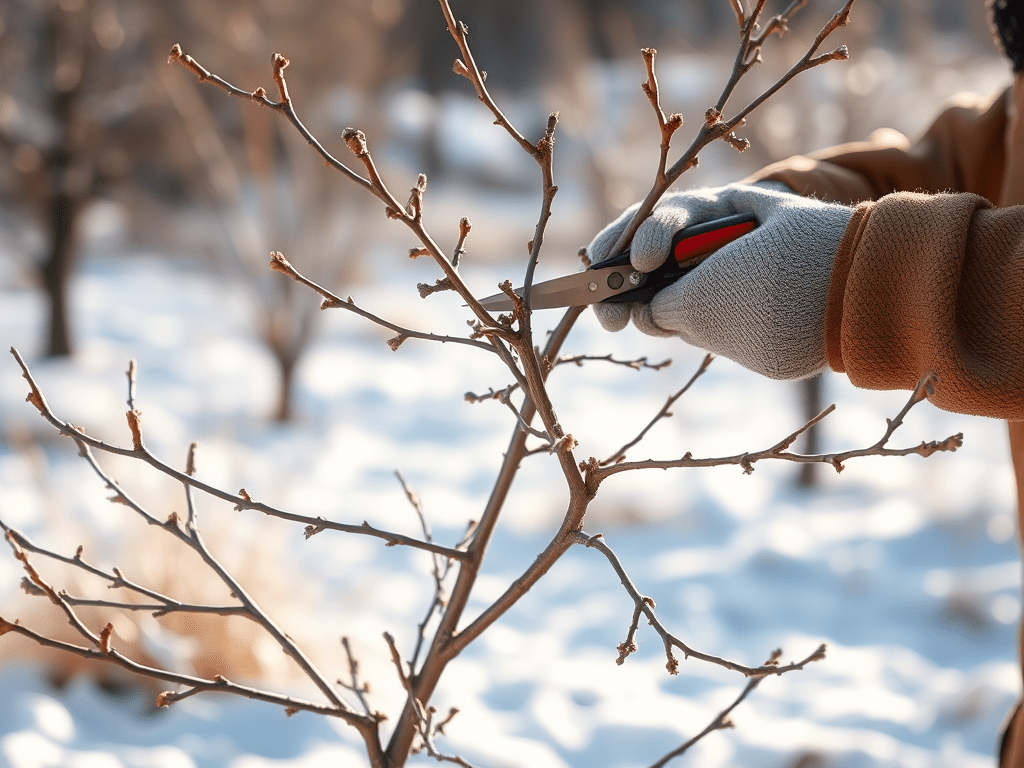
- Prune to open up the canopy
- Space trees appropriately
- Reduce humidity around foliage
3. Apply Fungicides (If Necessary)
- Fungicides are most effective preventatively
- Apply during green tip, pink bud, and petal fall stages
- Sulphur and copper-based products are commonly used in organic gardening
- Always follow label instructions
Preventing Apple Scab in the Garden
Prevention is far easier than cure. Key strategies include:
Choose Resistant Varieties
Some apple cultivars show good resistance to scab, including:
- ‘Liberty’
- ‘Enterprise’
- ‘Topaz’
- ‘Florina’
Maintain Tree Health
- Avoid excessive nitrogen fertiliser
- Water at soil level, not over foliage
- Mulch to improve soil structure
Autumn Hygiene
- Rake and remove fallen leaves
- Apply urea spray to accelerate leaf breakdown (where appropriate)
Can Apples with Scab Be Eaten?
Yes. Apples affected by scab are safe to eat, but the texture and appearance may be poor. Peeling the fruit removes most damaged tissue.
Frequently Asked Questions About Apple Scab
Is apple scab contagious?
Yes. Spores spread via wind and rain, particularly in wet springs.
Will apple scab go away on its own?
No. Without management, it often returns year after year.
Does apple scab affect storage?
Yes. Infected apples store poorly and are prone to rotting.
Apple scab is a frustrating but manageable disease. With good hygiene, proper pruning, and preventative care, gardeners can significantly reduce infections and enjoy healthier trees and better harvests.
For more expert fruit tree advice, disease guides, and seasonal gardening tips, explore our latest articles at Garden-Review.
Written by Garden-Review – independent gardening advice you can trust.


 Garden Review UK
Leave a comment