

There’s something magical about bringing vibrant, living blooms indoors at Christmas. Even better? Some bulbs don’t need soil at all – they can be forced in water, offering a clean, glassy, modern look for festive décor. Here are five bulbs perfect for growing in water in time for Christmas along with how to do it successfully.
1. Hyacinthus orientalis (Hyacinth)


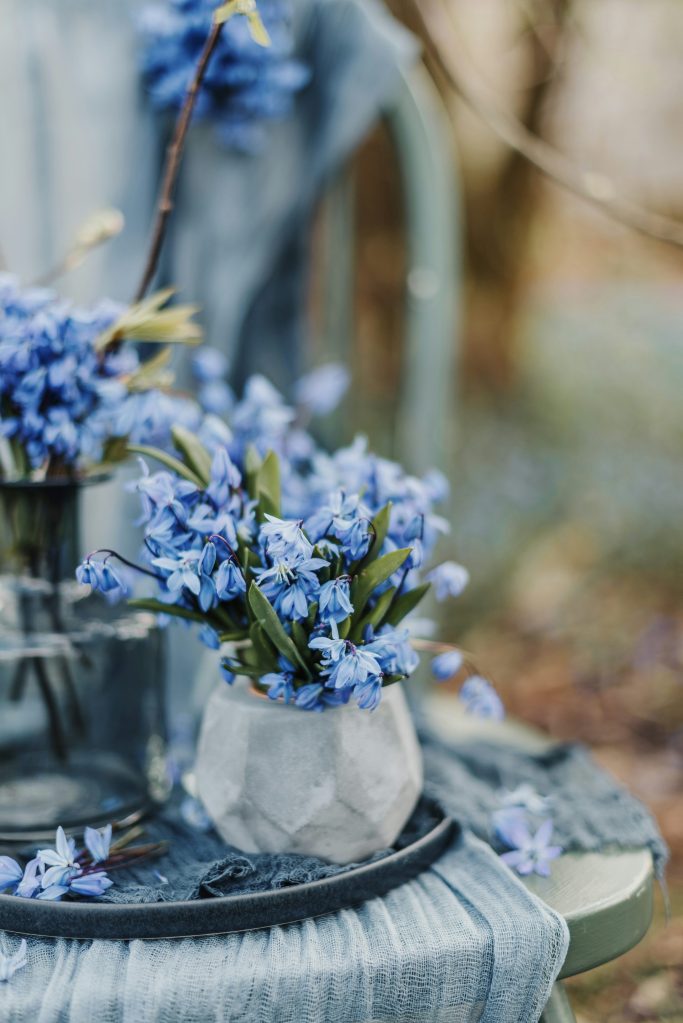
Why choose it: Hyacinths are among the most fragrant and striking bulbs you can force for Christmas. They’re widely used for indoor displays at this time of year.
How to grow it in water:
- Use a special “forcing” vase or glass: the bulb sits just above the water so roots can grow down, but the base of the bulb stays dry.
- Before forcing, the bulb must be chilled (for typical hyacinth varieties) for about 10-15 weeks (≈ 12-15 weeks is a common figure).
- Once you have a good mass of roots and some green top growth, move into a brighter, warmer spot. Avoid strong direct sun to prolong bloom.
Timing tip: For a Christmas display, you’ll need to start early (in autumn) to allow the cooling and rooting phase.
Display tip: The bulb’s fragrance is part of the appeal — place near a hallway or dining room table for extra impact.
2. Narcissus papyraceus (“Paperwhite” Narcissus)![]()

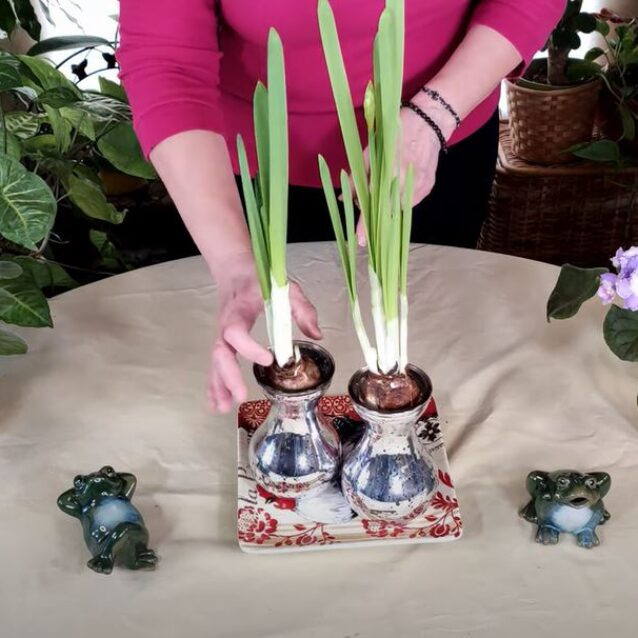

Why choose it: Paperwhites are very popular for indoor forcing at the festive season. They have fragrant white blooms, bloom quickly, and don’t require the long chilling period.
How to grow it in water:
- Fill a shallow dish/tray with pebbles or decorative glass beads; set the bulbs on top with the base just touching the water below.
- Unlike some bulbs, these don’t need extended cold: you can plant them a few weeks before you wish to bloom.
- Place in a cool, bright spot. Once shoots appear, move to a warmer location and keep the water at the right level.
Display tip: For a clean look, use clear glass and layer with coloured pebbles matching your décor.
3. Hippeastrum × hortorum (Amaryllis)
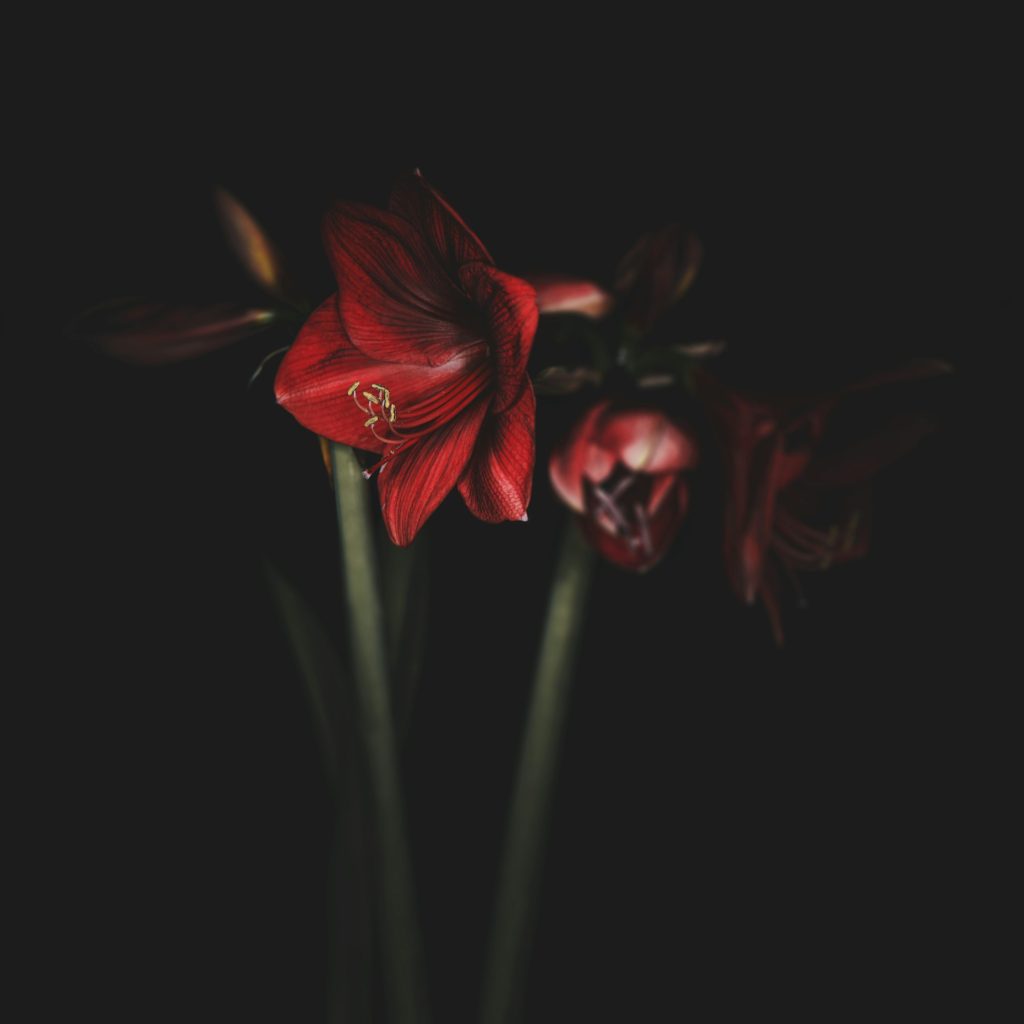
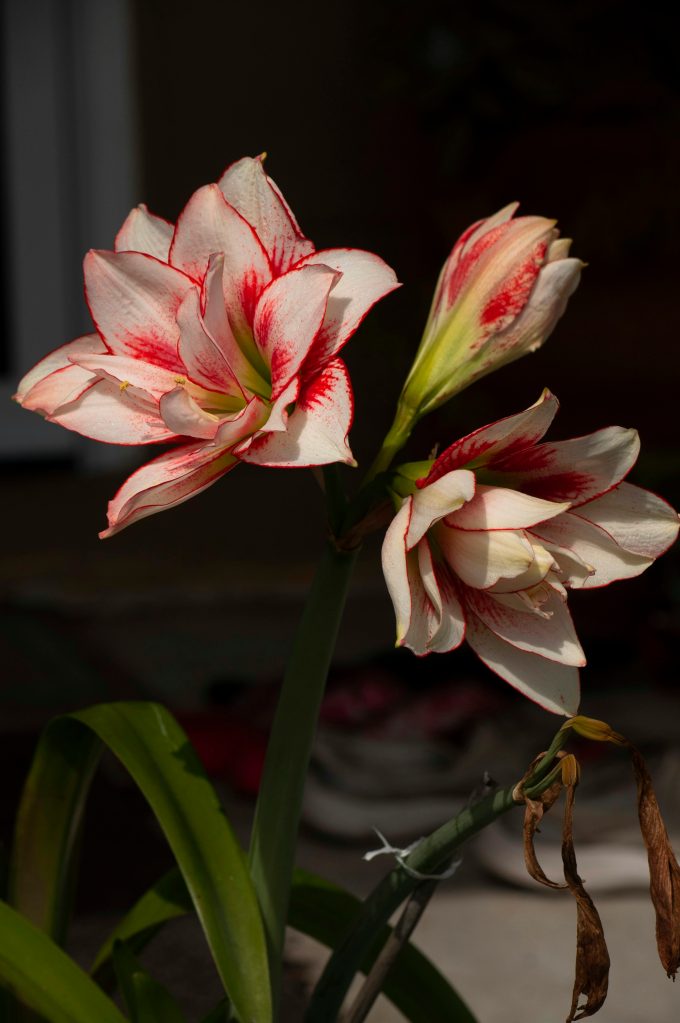
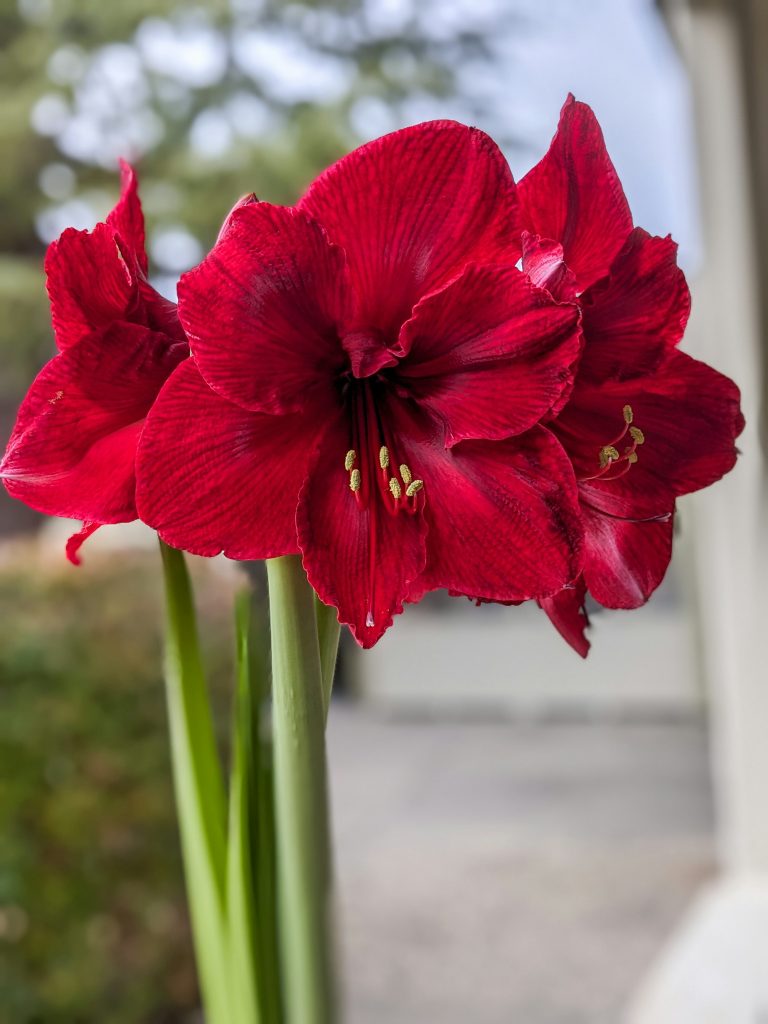
Why choose it: Amaryllis bulbs are practically synonymous with the Christmas season. They produce large, bold flower heads (often red/white) indoors and can be forced in water or soil.
How to grow it in water:
- Use a vase where the bulb is perched just above the water, roots reaching down. Some kits are available ready for this method.
- Because these are tropical in origin, they do not always require a long chilling period.
- Once shoots appear, give bright indirect light. Avoid excessive heat which shortens bloom life.
Display tip: These blooms are dramatic — a single amaryllis in glass can act as a table centrepiece.
4. Tulipa spp. (Tulip)
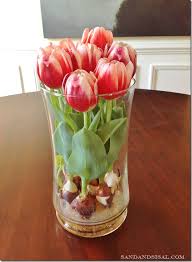
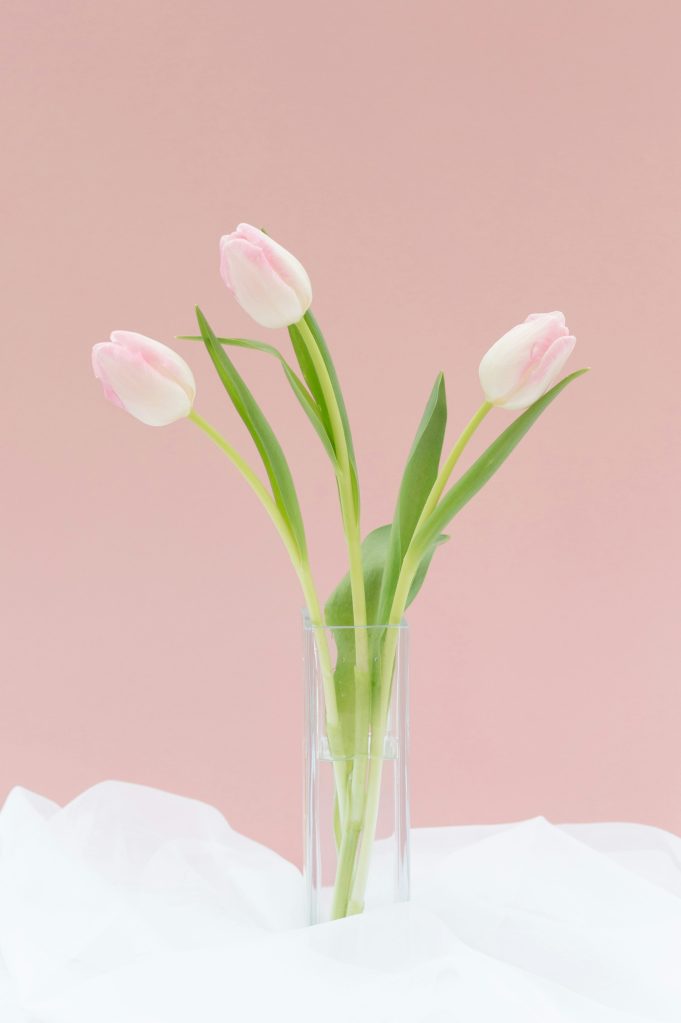
Why choose it: While less common than amaryllis or paperwhites for water forcing, tulips can be forced for indoor bloom and indeed make a striking, unexpected addition to a Christmas display.
How to grow it in water:
- Pre-chill the tulip bulbs (many require ~12–16 weeks).
- Place the bulb so that the root base just touches water; the bulb itself sits above. Roots develop, then shoots, then blooms. (The same technique as with hyacinth)
Display tip: Choose jewel-coloured tulips (reds, deep purples) for a rich festive touch.
5. Galanthus nivalis (Snowdrop)
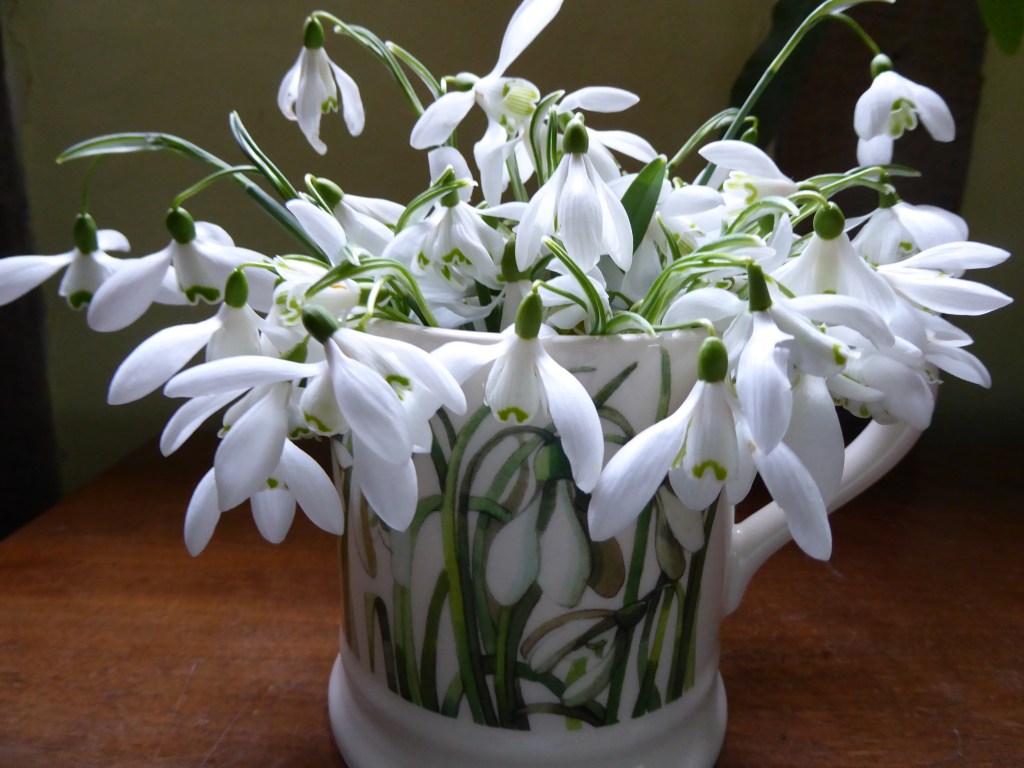
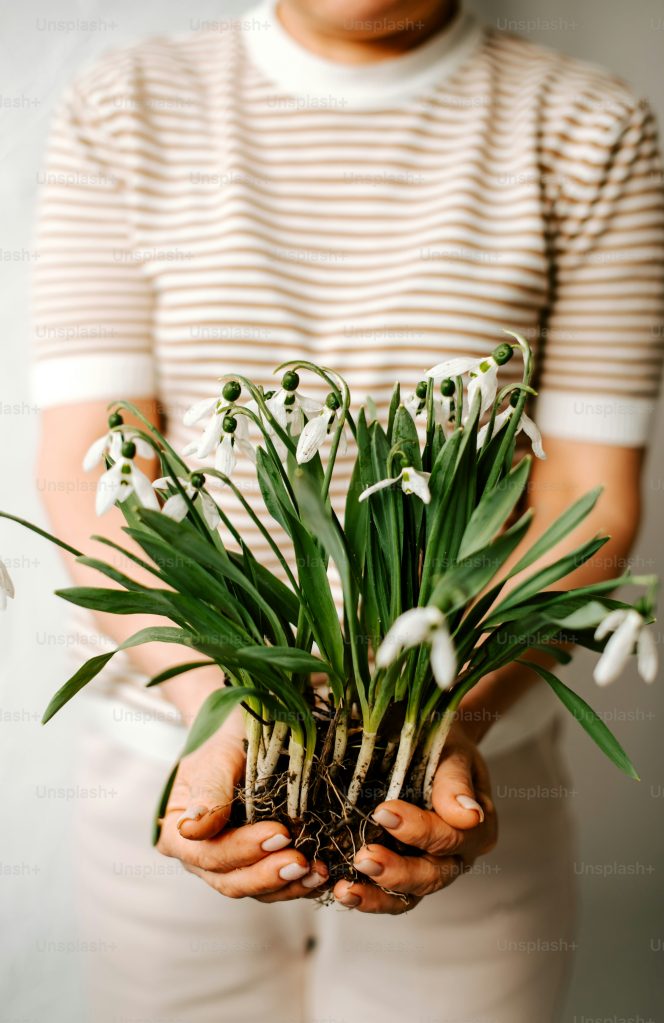
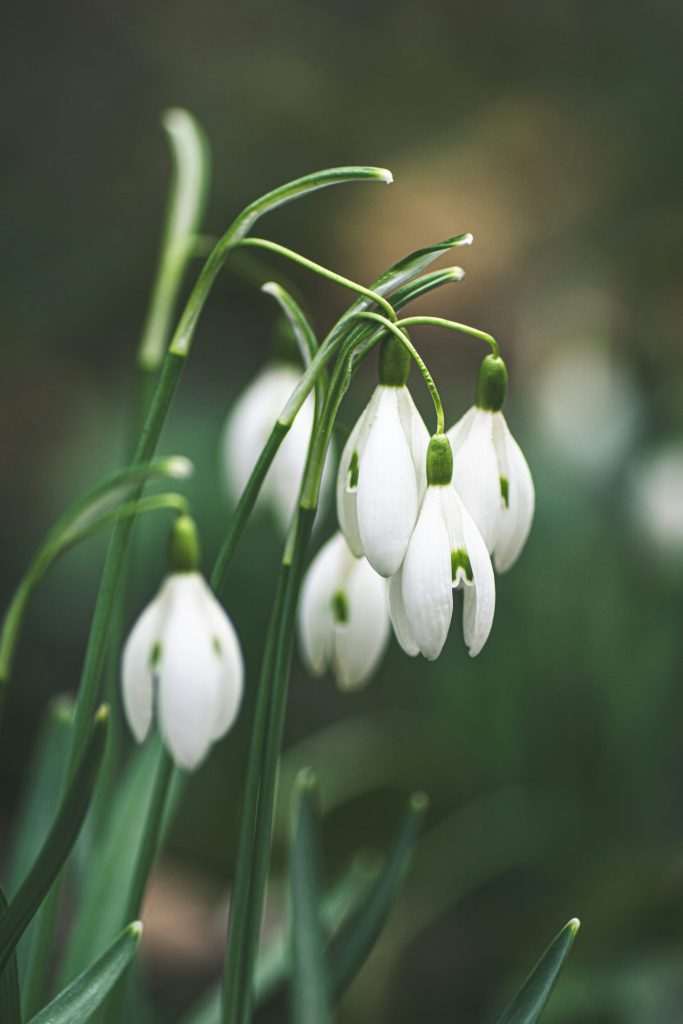
Why choose it: Snowdrops are delicate, charming bulbs and can be forced for early indoor blooms — offering a whisper of spring in the heart of winter.
How to grow it in water:
- These typically require a chilling period (≈10-12 weeks) prior to forcing.
- Use a shallow dish with pebbles and water just touching the roots, or a small glass vase for a single bulb.
- They tend to be more modest in size, so scale the container appropriately.
Display tip: Group a few together in a low glass tray this Christmas for a subtle but elegant effect.
Growing Indoor Bulbs – Tips for Success
- Water level matters: With water forcing, the water should touch the roots but avoid bathing the base of the bulb. If the base is submerged the bulb may rot.
- Chilling stage: Many spring-flowering bulbs need a cold treatment (10–16 weeks at ~4–7 °C) to trigger roots and blooming indoors. The exceptions are bulbs like amaryllis and paperwhites which need little or no chilling.
- Lighting & temperature: After roots form, move to bright, indirect light. Cooler ambient temps (not too warm) help prolong bloom life. Avoid placing next to hot radiators or open fireplaces.
- Support & height: Some taller stems may need gentle support to keep upright—especially hyacinths and tulips.
- Timing matters: To aim for a Christmas display (mid-December), plan backwards: add chilling time + rooting time + growth time.
- After bloom: Water-forced bulbs often don’t re-bloom easily, especially those forced in water. If you intend to save for next year, forcing in soil and following post-bloom care is better.
Growing bulbs in water for Christmas is a beautifully clean and decorative way to bring real blooms into your home during winter. Whether you go for the classic boldness of amaryllis, the fragrance of hyacinth, the elegance of snowdrops, the ease of paperwhites, or the colour-pop of tulips — you’ll create a living display that contrasts beautifully with typical evergreen and candle décor.
For Garden-Review readers, I’d encourage experimenting with glass vases, layering pebbles, and using bulbs as centrepieces or mantelpiece accents. The visual effect of roots through glass, emerging shoots and then flowers is a delight in itself.



 Garden Review UK
Leave a comment