
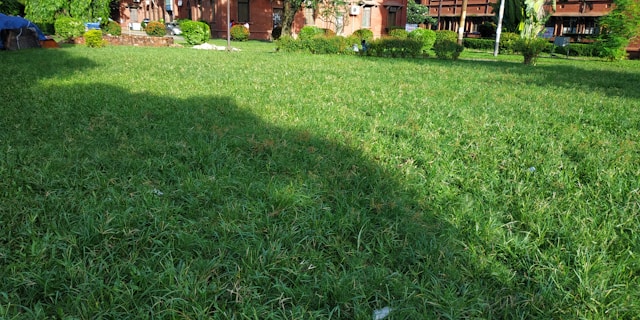

Days are getting shorter and the temperatures are drop, gardeners start wondering what to do with their lawns before winter sets in. One of the biggest questions? Should you cut your lawn short before winter?
Let’s dig into it – because getting your last mow right can make all the difference when spring rolls around.
The short answer: Don’t go too short
It’s tempting to give your lawn a tight trim before packing away the mower for the year. After all, shorter grass might seem tidier and easier to manage. But here’s the thing – cutting your grass too short before winter can actually harm it.
Grass is a living plant, and during winter, it goes dormant and will stop growing. Cutting it too short reduces its ability to photosynthesise and store the energy it needs to survive the cold months.
A lawn that’s scalped before winter can also become more vulnerable to frost damage, weeds, and disease and come the new growing season it will struggle.
The ideal cutting height before winter
So what’s the sweet spot?
For most UK lawns, aim to leave your grass at around 4 to 5cm (1.5 to 2 inches) going into winter. That’s tall enough to protect the roots and hold moisture, but not so long that it traps dampness or encourages mould growth.
If you’ve got shaded areas or fine fescue lawns, you can leave them slightly longer (around 6cm). Lawns that get plenty of sun can be trimmed a touch shorter — but always avoid a drastic final cut.
Why the last mow of the year matters
That final mow of the season isn’t just about looks – it helps set your lawn up for success next year.
A proper last cut will:
- Keep your lawn healthy through winter dormancy
- Prevent fungal diseases caused by long, wet grass
- Discourage pests like leatherjackets and moss
- Make spring growth more even and lush
If you let your lawn grow too long before the frost hits, it can get matted down under snow or heavy rain – which leads to yellow patches and poor regrowth.
When should you do the last mow?
The timing depends a bit on the weather, but for most parts of the UK, late October or early November is about right.
Keep an eye on temperatures – when daytime highs drop consistently below 10°C, grass growth slows down and stops growing and it’s time to put the mower away.
Just make sure the grass is dry when you mow, and use a sharp blade for a clean cut that won’t stress the plant.
Tidy up before the winter ahead
Before calling it a season:
- Rake up leaves and debris so your lawn can breathe
- Edge the borders for a neat look all winter
- Clean and service your mower so it’s ready for spring
You can also consider an autumn feed to strengthen the roots and help your lawn bounce back faster in spring. Look for a fertiliser that’s low in nitrogen and high in potassium – it’ll toughen up the grass for winter conditions.
So, should you cut your lawn short before winter?
Not too short – but don’t skip that final trim either.
Leaving your grass slightly longer (around 4–5cm) gives it the best chance to survive winter and come back greener, thicker, and healthier next year.
A little attention now means a lot less hassle – and a lot more lushness – when spring rolls around.
🌿 Quick Lawn- Pre-Winter Care Recap
- ✅ Last mow: late October to early November
- ✅ Cutting height: 4–5cm
- ✅ Don’t scalp the lawn
- ✅ Rake leaves and debris
- ✅ Use an autumn fertiliser
Related reads from Garden-Review:



 Garden Review UK
Leave a comment