
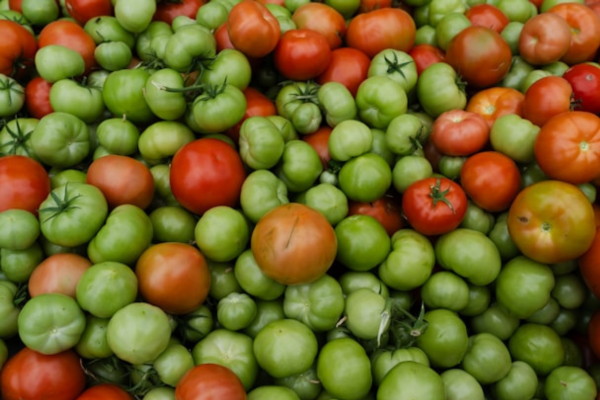

Save your harvest before the first frosts hit
As summer wanes and autumn’s cooler nights approach, many gardeners find clusters of green tomatoes still clinging to vines. Left out too long, they risk frost, rot or damage – yet with some care, these green fruits can still ripen to juicy, flavourful tomatoes. With the short British summers, we have become experts in getting right.
In this article we cover how to ripen green tomatoes at the end of the season, both on the vine and after harvesting, using expert advice and proven methods.
Why Tomatoes Stop Ripening Outdoors
Tomato plants fruit from early summer through until frosts. But as days shorten and temperatures drop, the ripening process slows dramatically. Gardeners’ World notes:
“Tomato plants fruit from June until the first frosts … however, the ripening process slows down as the days become shorter, so fruit that develops from September may not ripen before the first frosts arrive.” BBC Gardeners World Magazine
In short, lower light, cooler nights, and shorter daylength reduce the plant’s ability to push sugars, pigments (like lycopene), and warmth to the fruit. So gardeners have to act to give those tomatoes a chance.
Expert Advice & Quotes
Here are some insights from gardeners and experts:
- Gardeners’ World recommends leaving tomatoes on the vine for as long as possible to maximise flavour: “To ripen late tomatoes it’s best to leave them on the plant for as long as possible, so the fruits will develop the best flavour.” BBC Gardeners World Magazine
- From Martha Stewart’s produce experts: “They should be harvested when the fruit begins to change color and soften to the feel … most of the carbohydrates and sugars that will be sent to the fruit are already present in some form … after-ripening indoors will enhance the flavor.” Martha Stewart
These highlight two important points: timing (don’t harvest too soon) and the fact that picking slightly before full colour doesn’t ruin flavour if ripening is completed inside.
Step-by-Step Guide: Ripening On the Vine
If conditions allow, ripening on the plant often gives the best flavour. Here’s what to do:
- Remove useless growth
Remove any remaining flowers that have no chance of developing fruit. This redirects the plant’s energy into existing green tomatoes. - Top and thin the plant
For cordon / indeterminate tomato plants, cut off the top of each plant a few leaves above the uppermost truss of green tomatoes. Also remove lower leaves that shade fruit so that more light (and warmth) hits the fruits. - Monitor weather & anticipate frost
Keep an eye on forecasts. Before frost or freeze, be ready to harvest what remains if it won’t ripen in the garden.
Methods for Ripening Green Tomatoes Indoors
When outside conditions are no longer favourable, these methods help you finish ripening harvested green tomatoes:
| Method | What to Do | Benefits / Notes |
|---|---|---|
| Paper bag / cardboard box with ethylene | Place mature green tomatoes (or those showing first colour) stem-side down on newspaper in a cardboard box; add a ripe banana or apple to provide ethylene gas; loosely cover. Keep in a cool (not cold), dry spot. | Ethylene helps trigger and speed ripening; good control over condition. |
| Hang the whole plant | Uproot the entire plant (before frost), shake off soil, hang it upside down in a cool, dry location with some light. The fruit will finish ripening while still on the vine. | Less handling of fruits; preserves vine connection until last moment. |
| Breaker stage harvest | Harvest when tomatoes are at the “breaker stage” — just beginning to blush or show colour — then allow to ripen indoors. | Balances risk of losing fruit to cold or pests with maintaining good flavour. |
Tips for Indoor Ripening
- Do not refrigerate green tomatoes ( or any toms!) : temperatures below about 10-12°C (50-55°F) inhibit development of colour and flavour.
- Place indoors in a room with moderate warmth (roughly 15-20°C / 59-68°F) and out of direct sunlight to avoid sunscald or heat damage.
- Check fruits regularly (every few days) to remove any that are going bad so they don’t spoil nearby ones.
- Keep stem-end (where the fruit attached) intact if possible until colour begins to change.
When to Harvest: Signs & Thresholds
To maximise chances of ripening:
- Pick tomatoes that are full size even if they are still green. Some that are smaller may never ripen properly and are more likely to rot. Martha Stewart’s experts suggest testing by slicing one: if the seed jelly is loose enough that the seeds move when cut, the fruit is mature enough.
- Harvest before the first frost, even if fruit is still green. Later exposure to sub-freezing temperatures will ruin them.
Additional Tips & Common Mistakes
- Don’t over-fertilise late in the season, especially with nitrogen. This encourages leafy growth instead of ripening.
- Make sure fruit gets light: remove shading leaves so sun (or indoor light) can help.
- Ensure ventilation & avoid dampness in storage to slow mould or rot.
- Separate fully ripe fruit from those still ripening to avoid overripening or spread of decay.
Ripening green tomatoes at the end of the season requires a combination of timing, environment, and gentle handling. Key steps:
- Leave tomatoes on the vine as long as safely possible.
- Prune and top plants to focus energy on ripening fruit.
- Before frost, harvest mature green or breaker-stage fruit.
- Use indoor methods like ethylene in bags/boxes, hanging plants, or storage in cool, dry spots.
Used properly, many green tomatoes harvested late in the season will develop good colour and flavour — not quite identical to vine-ripened summer ones, but far tastier and more satisfying than letting them go to waste.
Follow Garden-Review for more top gardening tips. Do leave your comments below !


 Garden Review UK
Leave a comment