
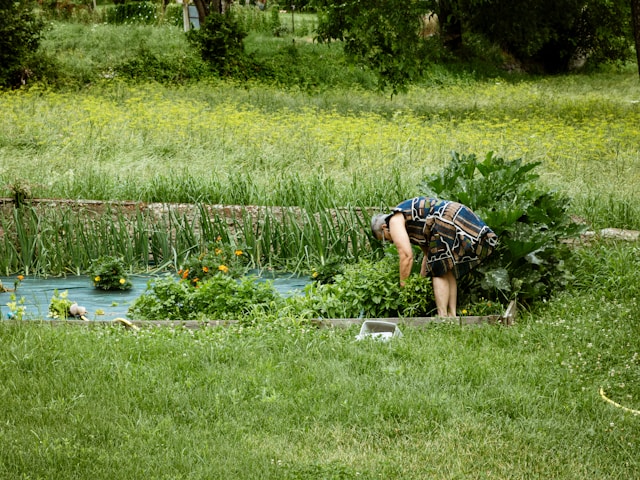

As the UK enjoys summer sunshine, many homeowners are inspired to tidy patios, trim hedges and enjoy their outdoor spaces. But experts warn that common garden growth like moss, algae and lichen are responsible for thousands of slips, trips and skin reactions every year.
Figures show around 300,000 people are injured in their gardens annually, with over 87,000 hurt while gardening or tackling outdoor projects. And it’s often the less obvious hazards, like uneven paving, toxic plant sap and thorny shrubs, that cause the most harm.
Patio and garden maintenance expert Alex Essex, Managing Director at Patio Black Spot Removal, reveals the surprising dangers hiding in plain sight and how to stay safe this summer.
Top 5 hidden injury risks in the garden:
1. Slippery Moss & Algae
Damp conditions encourage moss, algae and lichen to build up on patios, steps and paths, creating slick, slippery surfaces. These growths are especially hazardous after rain or early morning dew, contributing to over 115,000 slips and falls in gardens each year.
✅ Prevention tips:
• Clean patios and paths regularly to remove moss, algae and biofilm.
• Use slip-resistant paving or outdoor mats in high-traffic areas.
• Use matte or low-sheen sealers on smooth surfaces.
• Inspect steps and shaded areas, where algae thrives.
• Repair uneven or sinking paving to prevent tripping hazards.
• Wear sturdy shoes with good grip.
2. Lichen Damage
While lichen looks harmless, it can trap moisture and slowly weaken patio surfaces, making paving slabs uneven and unstable. Over time, this creates trip hazards that can lead to sudden falls, especially for older homeowners or small children.
✅ Prevention tips:
• Inspect patios and steps after extreme weather.
• Remove lichen build-up before it damages stonework.
• Avoid harsh pressure washing, which can loosen mortar joints.
3. Thorned & Spiked Plants
Roses, brambles and ornamental shrubs may look beautiful, but their sharp thorns and spines can cause painful cuts and punctures. In 2023/24, 483 people were hospitalised due to thorns, spikes and sharp leaves.
✅ Prevention tips:
• Keep thorned plants trimmed and well-managed.
• Always wear thick gloves and long sleeves.
• Be careful when using pruning tools on overgrown hedges or shrubs.
4. Toxic Plant Sap
Some common garden plants, such as euphorbia, giant hogweed, and even fig trees, release sap that can irritate the skin or cause blistering when exposed to sunlight. Contact with toxic or harmful plants resulted in 158 people needing medical attention in 2023/24.
✅ Prevention tips:
• Learn to recognise hazardous plants in your garden.
• Wear gloves and wash your hands immediately after contact.
• Seek medical advice if a rash or blistering develops.
5. Overgrown Plants & Visibility
Overhanging branches, sprawling shrubs and dense foliage don’t just look messy, they can obscure paths, steps and edges, increasing the risk of trips and falls.
✅ Prevention tips:
• Keep pathways clear of overhanging plants.
• Trim shrubs that block lighting or create dark, damp spots where algae thrives.
• Regularly check for roots or shoots lifting paving stones.
Alex at Patio Black Spot Removal commented:
“People often think of gardening injuries as something caused by tools or heavy lifting, but the most common hazards are far more subtle. Moss, algae and lichen can turn patios into ice rinks, especially after rain, while overgrown shrubs and toxic plant sap catch many homeowners off guard. Regular maintenance doesn’t just improve how a garden looks, it prevents slips, trips and even serious skin reactions. A few simple checks throughout the year can save you from nasty accidents and protect the long-term condition of your outdoor space. Nowadays, there are also handy smartphone apps that can help you quickly identify plants, making it easier to recognise any hazardous species in your garden.
“One key risk I often see overlooked is structural wear and tear, as uneven or sinking paving can shift underfoot and lead to sudden falls. Poor installation methods show over time and can be made worse by aggressive pressure washing and freezing winters. Regular inspections, especially after extreme weather, and timely repairs are crucial for safety. Investing in well-laid, high-quality materials and the correct preventative maintenance not only reduces risk but also extends the life of your garden features, saving money and injury in the long run.”



 Garden Review UK
Leave a comment