
Date: Monday 14 July 2025

Thames Water, which supplies 16 million customers across southern England, has announced a temporary hosepipe ban set to come into effect at one minute past midnight on Tuesday 22 July. The move follows an exceptionally dry and warm spring—the driest and hottest in more than a century—causing reservoirs and rivers to plummet to critically low levels
Affected Areas & Restrictions
- Postcodes: OX, GL, SN, RG4, RG8, and RG9
- Counties: Parts of Oxfordshire, Gloucestershire, Wiltshire, Berkshire, and Swindon
- Around 1.1 million customers are affected
Under the ban, residents are not allowed to:
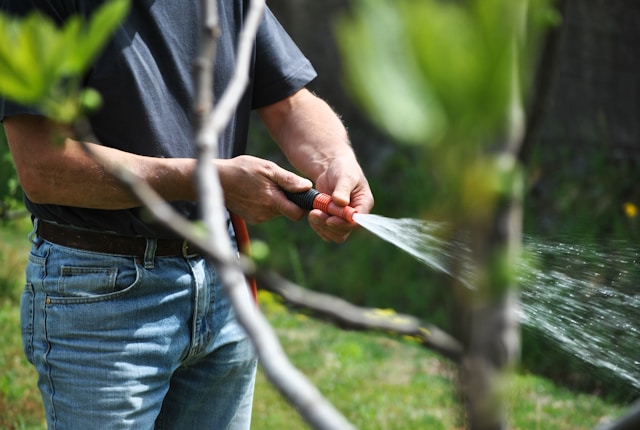
- Use hosepipes for watering gardens, allotments, or plants
- Wash cars, driveways, patios or windows with hoses
- Fill paddling pools or top-up swimming pools
Exemptions apply for essential business operations, including garden centres and professional car washes .
Why Now?
The Environment Agency has placed much of the Thames Valley under a “prolonged dry weather” designation. Low flows in the River Thames have directly affected abstraction rates from the Farmoor Reservoir, a major supply source in Oxfordshire, which is currently around 92% full, below the seasonal average
Strategic Water Resources Director Nevil (or Neil) Muncaster emphasised that with little rain forecast and significant evaporation in hot weather, action is essential to safeguard emergency supplies and protect river ecosystems
Reservoir Levels & Demand
- England’s reservoirs are at approximately 77% capacity, compared to a typical 93% this time of year
- Some regions report reservoir levels more than 25 percentage points below the norm
- Hot days (above 25 °C) have driven up usage by up to 30% in Oxfordshire and Swindon, matching peaks seen during the 2022 drought
National Context
This hosepipe ban comes in the wake of similar restrictions across England—Yorkshire Water, South East Water (in Kent and Sussex), and others have already declared bans due to prolonged dry stretches . Experts warn that such restrictions may become increasingly common due to climate change pressures .
A meeting of the National Drought Group—comprising water firms, regulators, farmers, and anglers—is scheduled for 15 July to assess whether more areas will face restrictions
Public Reaction & Company Criticism
Trade union GMB criticised Thames Water for wasting 200 billion litres of water through leaks last year—roughly 570 million litres per day—citing crumbling infrastructure and lack of investment. They argue that household users should not be penalised for systemic issues.
Guidance for Residents
Thames Water urges households to:
- Turn off taps while brushing teeth
- Take shorter showers
- Let lawns go brown—grass will recover when rain returns
No end date has been set for the ban; it will be lifted only when there’s sustained rainfall and reservoir levels recover.
View Garden-Advice to manage your garden during high heat and water shortages
With summer droughts becoming a familiar reality, conservation is now part of responsible gardening. Embrace drought-tolerant designs, collectors, and smart timers. A thorny but necessary trade-off between a lush lawn and water security.




 Garden Review UK
Leave a comment