
Your UK Guide to Collecting, Storing, and Sowing for Next Season

Poppies are among the most beloved flowers in British gardens — from the elegant Oriental poppy (Papaver orientale) to the cheerful red corn poppy (Papaver rhoeas). But their vibrant beauty doesn’t have to end with the last petal drop. Now, in mid to late summer, is the perfect time to harvest their seeds, ensuring you’ve got a bountiful supply ready to sow next spring.
At Garden-Review.co.uk, we’re passionate about helping you get the most from your garden. In this expert guide, we’ll show you how to successfully collect poppy seeds, store them properly to maintain viability, and get them ready to grow into a new generation of stunning flowers next year.
When Are Poppy Seeds Ready to Harvest?
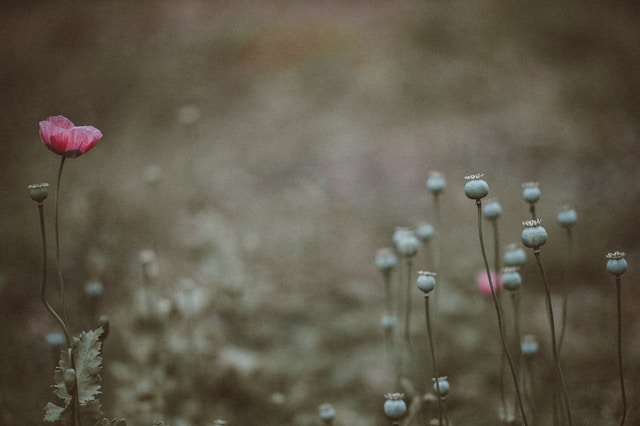
Once the poppy flowers have faded and dropped their petals, you’ll be left with distinctive, often attractive, seed pods. These pods typically start off green and gradually dry out, turning a pale beige or light brown. That colour change is your primary cue.
The key sign that poppy seeds are ready for harvest is a gentle rattling sound when you shake the dry seed pod. This indicates the tiny seeds inside are fully mature and have detached from the pod’s inner structure.
💡 Our Expert Tip: Always harvest on a dry day, preferably mid-morning once any dew has evaporated. Wet seeds are prone to mould in storage, which can drastically reduce their germination rates.
How to Collect Poppy Seeds
Collecting poppy seeds is a straightforward and satisfying task:
- Cut the Seed Heads: Using clean secateurs or sharp garden scissors, carefully snip off the dry seed heads. Leave a short stem (about 5-10cm) attached; this provides a convenient handle for shaking.
- Shake and Tap: Hold the seed pod upside down over a paper envelope, a clean tray, or a wide bowl. Gently shake or tap the pod. Hundreds of tiny black or blue-black seeds should easily spill out.
- Break Open If Needed: Some poppy varieties have particularly robust or tightly closed pods. If the seeds don’t release easily, you can gently crack the pod open with your fingers to release the remaining seeds.
How to Store Poppy Seeds
Proper storage is absolutely critical to keeping your collected poppy seeds viable and ensuring strong germination rates for sowing next season:
- Dry Thoroughly: This is the most crucial step. Spread your freshly collected seeds thinly on a sheet of paper, a paper plate, or a fine mesh screen. Allow them to air dry indoors for at least a few days, or up to a week, in a well-ventilated area. Ensure they are completely dry before proceeding.
- Label and Store: Once the seeds are bone-dry, carefully tip them into paper envelopes or small, breathable seed packets. Clearly label each packet with the poppy variety (e.g., ‘Corn Poppy – Papaver rhoeas’, ‘Oriental Poppy’) and the date of collection.
- Keep Cool, Dark, and Airtight: Place your labelled seed packets into an airtight container – a glass jar with a tight lid, a metal tin, or a sealed plastic box. Store this container in a cool, dark, and dry place. Ideal locations include a drawer, a cupboard, or even the fridge (ensure the container is truly airtight to prevent moisture absorption).
❗ Important: Avoid storing seeds in plastic bags, as these can trap residual moisture and lead to mould. Damp or warm conditions are the enemy of seed viability!
Sowing Poppy Seeds Next Season in the UK
In the UK, poppies are generally best sown in autumn or early spring, depending on the variety and your climate:
- Annual Poppies (like Papaver rhoeas or Shirley poppies) are often direct-sown in September/October for early blooms the following year, or in March/April for summer flowering. Autumn sowing mimics their natural cycle and often results in stronger plants.
- Perennial Varieties (like Oriental poppies, Papaver orientale) are typically sown in spring (March-May) and grown on in pots before being planted out into their final positions once established.
To Sow Your Harvested Seeds:
- Prepare the Soil: Choose a sunny, well-drained, and weed-free spot. Rake the soil surface to a fine, crumbly ’tilth’.
- Scatter Thinly: Poppy seeds are tiny! Scatter them very thinly and evenly over the prepared soil surface.
- Do NOT Cover: This is vital – poppy seeds need light to germinate, so do not cover them with soil.
- Water Gently: Use a fine rose on your watering can to gently water the area, ensuring the seeds aren’t washed away.
- Be Patient: Wait for those first delicate seedlings to appear, which can take 7-30 days depending on conditions.
Leave Some for the Wildlife!
While it’s tempting to collect every last seed, leaving a few dried seed heads in place benefits your garden’s ecology significantly. Birds like goldfinches absolutely adore feasting on leftover poppy seeds throughout the autumn and winter. I always leave some too for poppies to self-seeds. Plus, the sculptural seed pods add wonderful architectural interest to your winter borders.
Harvesting poppy seeds is one of those deeply satisfying late-summer tasks that beautifully connects one gardening season to the next. With a little care in collecting, drying, and storing, those tiny seeds you gather now will burst into colourful bloom again next year – creating a vibrant and joyful cycle in your garden, year after year.
So grab your secateurs and envelopes and get collecting – your future flowerbeds, and your local wildlife, will certainly thank you!
Looking for more seasonal gardening tips and advice?
- Explore our latest comprehensive gardening guides for all seasons.
- Follow us on Instagram @GardenReviewUK for daily inspiration, tips, and beautiful garden photography.



 Garden Review UK
Leave a comment