
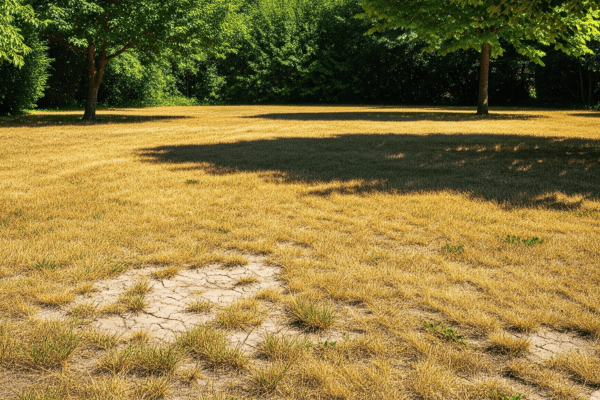
Proven Tips to Prevent Grass From Dying in the Heat

With another heat wave on its way – the summer months can be brutal on your lawn. Scorched, patchy, or yellowing grass is a common sight across UK gardens when the temperatures rise and rainfall becomes scarce. But with the right care, your lawn doesn’t have to suffer.
At Garden-Review, we’ve pulled together the most effective and gardener-approved methods to help you keep your grass healthy, lush, and vibrant through even the hottest spells.
- Proven Tips to Prevent Grass From Dying in the Heat
- Why Does Grass Die in Summer?
- Water Smartly and Deeply
- Raise Your Mower Blades
- Feed with a Summer Lawn Fertiliser
- Aerate Compacted Soil
- Apply a Mulch or Lawn Conditioner
- Watch for Signs of Stress and Act Fast
- Rethink Lawn Use in Heatwaves
Why Does Grass Die in Summer?
Before we jump into solutions, it helps to understand the problem.
Grass often struggles in summer due to:
- 1. Lack of Moisture
What happens: Extended dry spells mean your lawn isn’t getting the water it needs.
Impact: Grass blades shrivel, turn brown, and eventually die from dehydration.
2. Soil Compaction
What happens: Dry weather combined with foot traffic can harden the soil.
Impact: Restricts healthy root growth, preventing roots from accessing water and nutrients.
️ 3. Mowing Stress
What happens: Cutting your grass too short during hot weather.
Impact: Weakens the grass, making it more vulnerable to heat stress, pests, and diseases. Taller grass shades the soil, keeping it cooler and retaining moisture.
4. Nutrient Depletion
What happens: High heat can slow grass growth and limit its ability to absorb essential nutrients from the soil.
Impact: Grass becomes starved, leading to discoloration and a weakened state.
Water Smartly and Deeply
Best Time to Water: Early Morning
Watering your lawn in the early morning (before 9 a.m.) reduces evaporation and allows water to reach the roots efficiently. Evening watering can encourage fungal diseases, especially in warm, humid weather.
Deep Soak, Less Often
Instead of daily sprinkling, give your grass a deep soak 2–3 times per week. Aim for around 1 inch of water each time – this trains roots to grow deeper and become more drought-resistant.
Raise Your Mower Blades
Cutting your grass too short during summer can be disastrous. A taller cut:
- Provides shade for the soil
- Reduces water loss
- Encourages deeper roots
Ideal Summer Mowing Height:
Raise the blade to 7.5–10 cm (3–4 inches) depending on the grass type. Leave the clippings on the lawn if your mower mulches – they help lock in moisture and return nutrients.
Feed with a Summer Lawn Fertiliser
A light feed during summer gives your grass the nutrients it needs without overwhelming it.
Choose a Slow-Release Summer Feed:
Look for nitrogen-rich fertilisers designed for summer application. These promote steady, green growth without causing a surge that stresses the lawn in dry conditions.
Tip: Avoid fertilising during extreme droughts. Instead, wait for cooler days or after rainfall.
Aerate Compacted Soil
When soil becomes compacted, water and nutrients can’t penetrate down to the roots – a common issue in high-footfall areas.
Aeration Tools:
Use a garden fork or aerator to punch small holes across the lawn. This improves drainage, boosts airflow, and helps the roots access water more efficiently.
Apply a Mulch or Lawn Conditioner
Mulching isn’t just for flower beds. Applying organic mulch or a thin layer of compost to patchy or dry areas can:
- Protect soil from direct sun
- Retain moisture
- Improve soil structure
Lawn conditioners made from natural materials like seaweed, humic acid, or biochar can also revitalise struggling grass.
Watch for Signs of Stress and Act Fast
Early signs your lawn is suffering:
- Grass doesn’t bounce back when walked on
- Grass turns bluish-grey or dull green
- Soil feels dry and dusty
When you spot these signs, take action:
- Water deeply
- Stop mowing for a few days
- Use a wetting agent to help water soak into dry, hydrophobic soil
Rethink Lawn Use in Heatwaves
Even the most resilient lawns can suffer during a heatwave. If temperatures soar above 30°C for days at a time:
- Reduce foot traffic on the grass
- Set up shade if possible (e.g. garden parasols or movable structures)
- Avoid mowing or fertilising during peak heat
Grass is naturally hardy – with proper care, it can recover from dry spells, but minimising stress is crucial.
Keeping your lawn green in summer doesn’t require daily watering or expensive treatments – just a smart, seasonal approach.
By adjusting your mowing habits, feeding wisely, and ensuring your lawn gets deep, infrequent watering, you’ll help it thrive even in hot, dry conditions.
Whether you’re a weekend gardener or a lawn enthusiast, these summer lawn care tips will keep your grass looking lush and healthy well into autumn.
Want more expert gardening tips?
Subscribe to Garden-Review for seasonal lawn care advice, product reviews, and practical how-to guides for UK gardeners.




 Garden Review UK
Leave a comment