
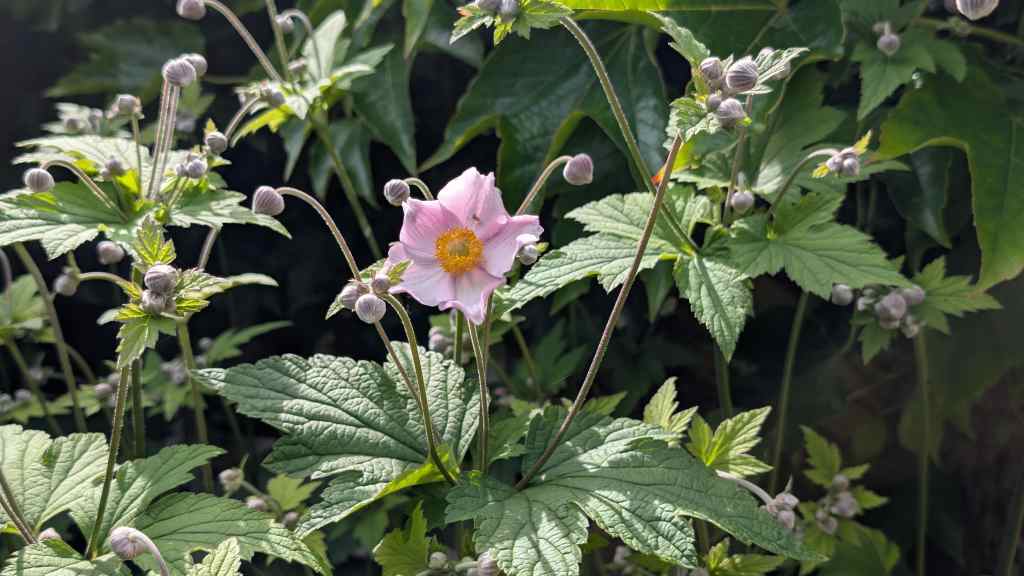
Anemone Growing Guide: How to Plant, Grow & Care for Anemones
Anemones, also known as windflowers, are graceful and vibrant perennials that bring life to borders, containers, and wildflower gardens. With their delicate, poppy-like blooms and long flowering seasons, they are a firm favourite among UK gardeners. Whether you’re looking to plant spring-flowering Anemone blanda or autumn-blooming Japanese anemones, this guide will walk you through everything you need to know.
Quick Facts About Anemones
| Feature | Detail |
|---|---|
| Botanical Name | Anemone spp. |
| Common Name | Windflower |
| Flowering Season | Spring and late summer to autumn |
| Sunlight | Full sun to partial shade |
| Soil Type | Moist, well-drained |
| Hardy | Yes – most are frost hardy in the UK |
| Good for Pollinators | ✅ Yes |
Types of Anemones to Grow\
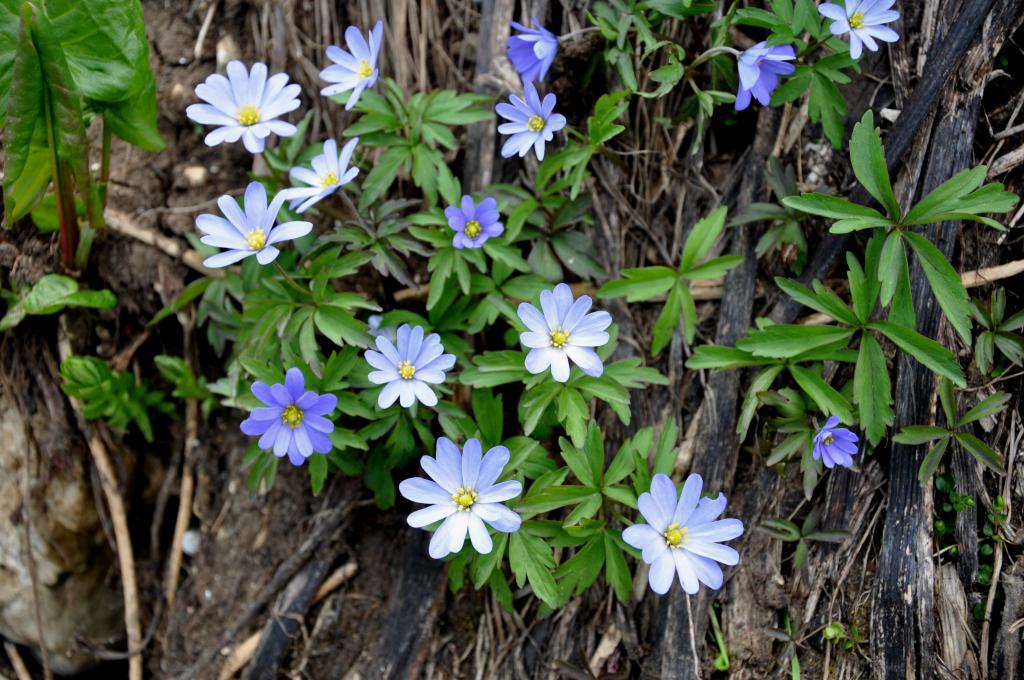
Anemone blanda (Grecian Windflower)
- Blooms: Early to mid-spring
- Features: Dainty, daisy-like flowers in shades of blue, pink, or white
- Height: 10–15cm
- Ideal for: Naturalising under trees or in borders
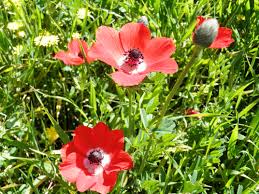
Anemone coronaria ( (Poppy Anemone)
- Blooms: Late spring to early summer
- Features: Large, showy blooms often used in cut flower arrangements
- Varieties: ‘De Caen’ and ‘St. Brigid’
- Needs: Warmer, sheltered spot; often grown as annuals in colder areas
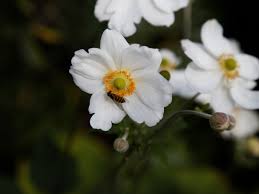
Japanese Anemone (Anemone hupehensis / Anemone x hybrida)
- Blooms: Late summer to autumn
- Features: Elegant tall stems with white or pink flowers
- Height: 60–120cm
- Ideal for: Cottage gardens, shady borders
Where and When to Plant Anemones
Spring-Flowering Anemones (e.g., A. blanda)
- When to Plant: Autumn (September to November)
- How to Plant: Soak tubers for a few hours in lukewarm water before planting. Plant 5cm deep and 8–10cm apart.
- Where: Dappled shade or full sun; under deciduous trees is ideal.
Autumn-Flowering Anemones (e.g., Japanese Anemones)
- When to Plant: Spring or early autumn
- How to Plant: Space 45–60cm apart; dig in plenty of organic matter.
- Where: Partial shade or full sun with moisture-retentive soil.
Anemone Care Guide
Watering:
- Keep soil moist but not waterlogged.
- Japanese anemones enjoy consistent moisture, especially during dry spells.
Feeding:
- Spring: Apply a general-purpose fertiliser as growth begins.
- Mulch with compost or well-rotted manure annually in spring to retain moisture and suppress weeds.
Pruning & Deadheading:
- Deadhead faded blooms to prolong flowering.
- Cut back stems to ground level in late autumn after flowering finishes.
Dividing:
- Japanese anemones can become clump-forming and invasive over time.
- Divide every 3–5 years in spring or autumn to control spread and rejuvenate growth.
Common Anemone Problems and Pests
| Problem | Cause | Remedy |
|---|---|---|
| Powdery mildew | Dry conditions or poor air circulation | Improve airflow, water at soil level |
| Leaf scorch | Drought stress | Keep soil moist, mulch |
| Slugs & snails | Young shoots are vulnerable | Use slug barriers or organic pellets |
Companion Plants for Anemones
- Spring-flowering anemones pair well with:
🌷 Tulips, 🌿 Ferns, 🌼 Primroses - Japanese anemones blend beautifully with:
🌾 Ornamental grasses, 🌸 Asters, 🌿 Hostas, 🌼 Rudbeckia
Growing Anemones in Pots
Yes, you can grow anemones in containers, especially Anemone coronaria and Anemone blanda.
Container Tips:
- Use peat-free, multi-purpose compost with added grit.
- Ensure pots have good drainage.
- Water regularly and feed with liquid fertiliser during flowering.
Are Anemones Hardy?
- A. blanda and Japanese anemones are reliably hardy across the UK.
- A. coronaria may need lifting and storing in colder regions, especially in heavy, wet soils.
Using Anemones as Cut Flowers
- Best cut in the morning when blooms are just opening.
- Trim stems and place in cool water.
- Last up to 7 days in a vase.
- ‘De Caen’ and ‘St. Brigid’ varieties are especially popular with florists.
Seasonal Anemone Calendar (UK)
| Season | Activity |
|---|---|
| Autumn | Plant A. blanda and A. coronaria tubers |
| Winter | Protect less hardy varieties in cold areas |
| Spring | Watch for blooms, divide overgrown clumps |
| Summer | Mulch and water Japanese anemones |
| Autumn | Enjoy late blooms, tidy up after flowering |
Top Tips for Growing Anemones
- Soak tubers overnight before planting – it kickstarts growth.
- Don’t forget to mulch – especially important for moisture-loving varieties.
- Use in succession planting – combine spring and autumn types for long-season colour.
- Let them naturalise – especially A. blanda, which spreads gently and returns yearly.
Anemones are a joy to grow, offering a long season of colour with minimal fuss. Whether you’re creating a spring woodland carpet or filling late-season gaps in your perennial border, there’s an anemone for every corner of the garden. With the right care, they’ll reward you year after year with their elegant and cheerful blooms.
Want more expert guides?
Explore our Spring Bulb Planting Guide or Top 10 Perennials for Shade on Garden-Review for inspiration tailored to UK gardeners.




 Garden Review UK
Leave a comment