
Your questions answered…

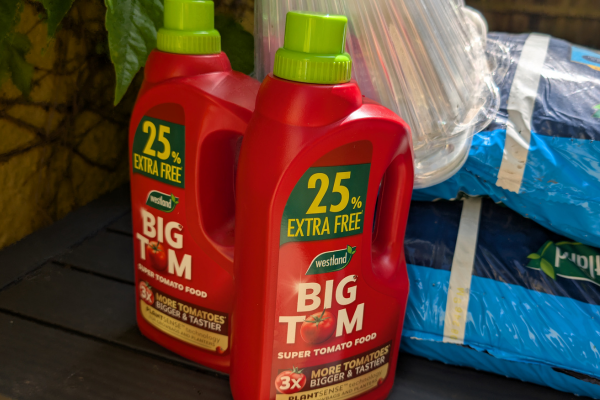
Tomato feed is a common item in many gardeners’ sheds, especially during the summer growing season. If you’ve ever asked, “Can I use tomato feed on other plants too?” you’re not alone. At Garden-Review, we often receive this question from readers who want to make the most of their gardening products.
The short answer is: Yes, you can use tomato feed on many other plants, but with some precautions. In this article, we’ll explain how tomato feed works, which plants benefit the most from it, and when to avoid using it.
What Is Tomato Feed?
Tomato feed is a liquid fertilizer designed to support the fruiting and flowering stages of tomato plants. Many tomato feeds, like Tomorite or other popular UK brands, contain high potassium (K) levels, along with balanced nitrogen (N) and phosphorus (P).
You’ll often see these labeled with NPK ratios such as 4-4-8 or 5-5-10, where potassium is the main nutrient.
Why potassium? Because potassium promotes:
- Flower development
- Fruit production
- Stronger stems
- Overall plant resilience
Which Other Plants Can Benefit from Tomato Feed?
While tomato feed is made for tomatoes, its high-potassium content makes it suitable for a wide range of flowering and fruiting plants.
Here are some plants that can benefit from tomato feed:
✅ Peppers and Chillies
Like tomatoes, they’re part of the Solanaceae family and have similar nutritional needs. Tomato feed helps improve flower and fruit development.
✅ Aubergines
Another fruiting plant in the nightshade family. Tomato feed encourages healthy, productive aubergine plants.
✅ Courgettes, Cucumbers & Squash
All of these need extra potassium to support fruiting. Tomato feed can be used during the flowering stage for a bigger harvest.
✅ Strawberries & Other Soft Fruits
Strawberries, raspberries, and blackcurrants thrive on potassium for strong flowering and sweet fruit production.
✅ Flowering Annuals & Perennials
Plants like petunias, dahlias, roses, geraniums, and fuchsias respond well to tomato feed. It improves flower color, size, and quantity.
✅ Houseplants That Flower
Orchids, peace lilies, and flowering kalanchoes can benefit from occasional feeds, but use a diluted mix to avoid overfeeding.
When Not to Use Tomato Feed
Tomato feed isn’t suitable for every plant. Some need different nutrient balances.
❌ Leafy Greens (Lettuce, Kale, Spinach)
These plants prefer higher nitrogen to promote leafy growth. Using tomato feed can lead to smaller leaves and premature flowering.
❌ Young Seedlings
The high potassium and salts in tomato feed can overwhelm delicate roots. Use a milder, balanced seedling fertilizer instead.
❌ Acid-Loving Plants (e.g., Rhododendrons, Azaleas)
Tomato feed may not provide the right pH balance or trace nutrients these plants need.
Tips for Using Tomato Feed on Other Plants
- Dilute wisely: Always follow the label instructions. When unsure, use a weaker solution to avoid overfeeding.
- Feed during flowering/fruiting: That’s when the plant needs the most potassium.
- Use every 1–2 weeks: Overfeeding can cause nutrient imbalances or root burn.
- Combine with compost or slow-release fertilizers: This is especially beneficial for container plants, providing a broader nutrient base.
Tomato Feed: A Versatile Tool in Your Garden
Tomato feed isn’t just for tomatoes. With its high-potassium formula, it can improve the performance of many other plants, especially those that flower or fruit. Just keep in mind that not all plants have the same nutritional needs, so it’s essential to match the feed to the growth stage and plant type.
At Garden-Review, we encourage smart, mindful feeding for a healthier, more vibrant garden.
Related Reads:
Best Tomato Feed Options for UK Gardens in 2025
Top 10 Plants That Thrive With Extra Potassium
Feeding Houseplants: A Complete Monthly Guide
If you’ve used tomato feed on other plants, share your experience in the comments below. Don’t forget to subscribe to Garden-Review for more practical tips, reviews, and seasonal advice.



 Garden Review UK
Leave a comment