
Which Is Right for Your Garden?

Composting is one of the most effective — and satisfying — ways to reduce garden and kitchen waste while giving your plants a boost. But when it comes to getting started, one big question often arises:
- Should you go with cold composting or hot composting?
- What Is Hot Composting?
- What Is Cold Composting?
- Hot vs Cold Composting: Key Differences
- Pros and Cons
- 🔥 Hot Composting
- ❄️ Cold Composting
- Which Composting Method Is Right for You?
- Can You Combine Both Methods?
Should you go with cold composting or hot composting?
Both methods turn organic waste into rich, crumbly compost, but they differ in speed, effort, and outcome. In this guide, we’ll explore the key differences between cold and hot composting, the pros and cons of each, and help you decide which one is best for your garden, lifestyle, and composting goals.
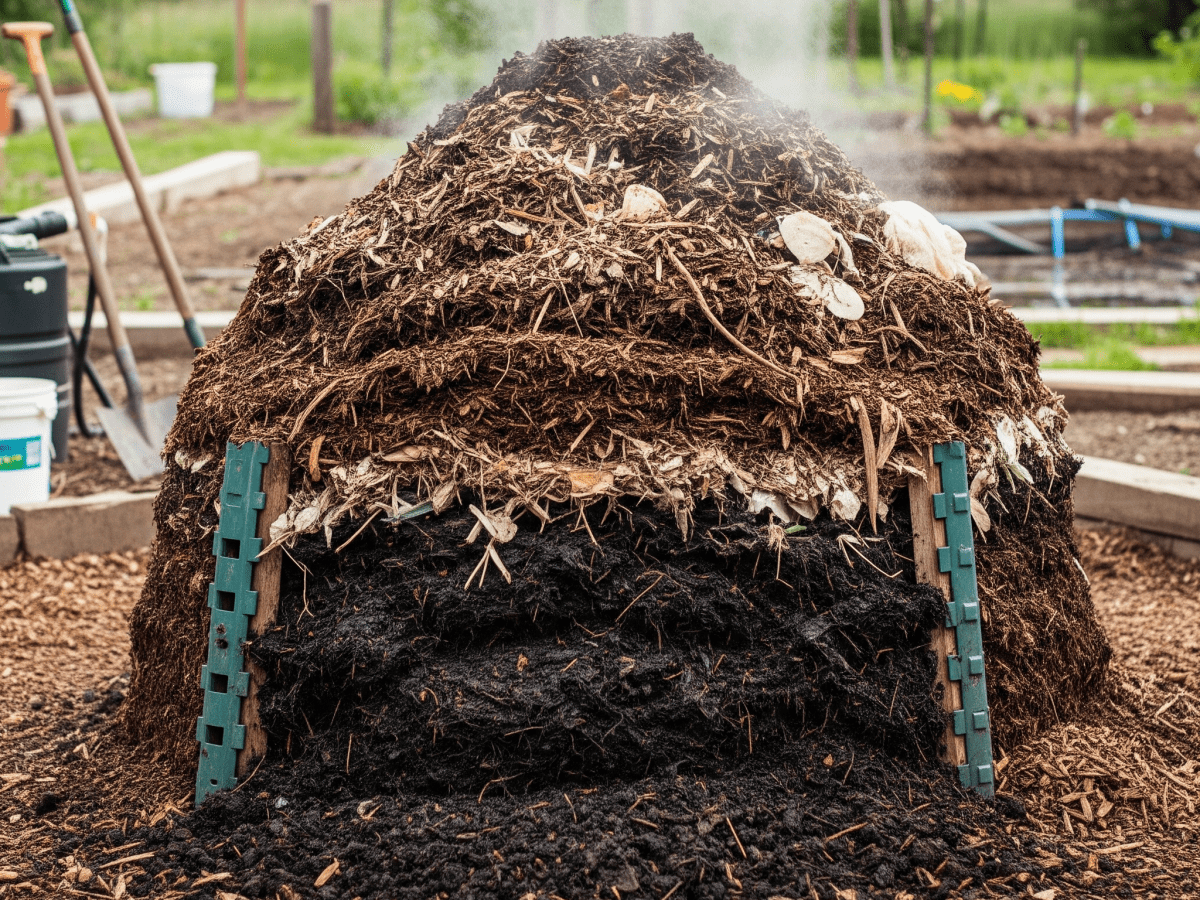
What Is Hot Composting?
Hot composting is a method where your compost pile reaches high internal temperatures — typically between 55–70°C (130–160°F) — thanks to thermophilic (heat-loving) microbes. These temperatures help break down organic material quickly, often producing finished compost in 4 to 6 weeks with regular management.
To achieve this, you need:
- A large enough compost pile (at least 1m³)
- The right balance of greens (nitrogen-rich) and browns (carbon-rich)
- Adequate moisture and regular turning for aeration
Read more about Hot Composting in our guide below:
What Is Cold Composting?
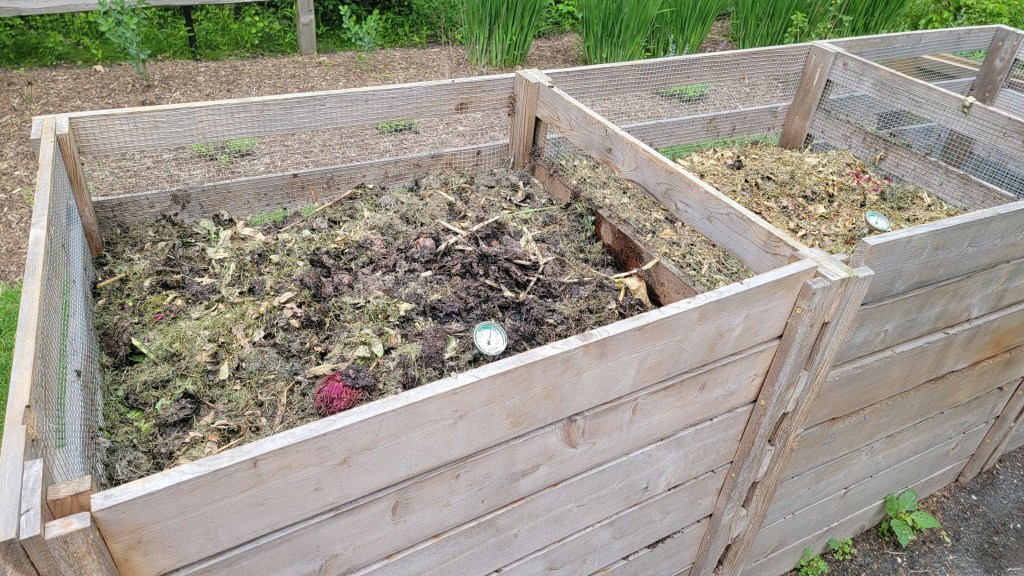
Cold composting, sometimes called passive composting, is the “set it and forget it” approach. You simply add organic waste to a pile or bin over time and let nature do the work.
The process is much slower, typically taking 6 months to 2 years to produce usable compost. It works at ambient temperatures, relying on slower-acting microbes, worms, and insects to break everything down.
Hot vs Cold Composting: Key Differences
| Feature | Hot Composting | Cold Composting |
|---|---|---|
| Speed | 4–6 weeks | 6–24 months |
| Temperature | 55–70°C | Ambient (10–30°C) |
| Effort | High – requires regular turning | Low – minimal intervention |
| Kills weed seeds? | Yes – heat sterilises | No – seeds may survive |
| Breaks down meat/dairy? | Occasionally, but tricky | No – avoid adding these |
| Ideal for | Keen composters, allotments, large gardens | Casual composters, smaller spaces |
Pros and Cons
🔥 Hot Composting
Pros:
- Quick turnaround
- Kills weed seeds and pathogens
- Reduces volume rapidly
- Produces rich, fine compost
Cons:
- Requires regular monitoring and turning
- Needs a larger pile to maintain heat
- More labour-intensive
❄️ Cold Composting
Pros:
- Very low maintenance
- Great for beginners
- Doesn’t need turning
- Works well in small gardens
Cons:
- Slow process
- May not kill seeds, pests, or diseases
- Can become slimy or smelly if poorly balanced
Which Composting Method Is Right for You?
Choose Hot Composting if:
- You have space for a large compost heap or multiple bins
- You want fast compost production for frequent use
- You’re composting in spring/summer when temperatures are warmer
- You enjoy the hands-on process and don’t mind turning the pile every few days
Choose Cold Composting if:
- You have limited time or energy for maintenance
- You want to compost kitchen scraps without fuss
- You prefer a more natural, wildlife-friendly composting process
- You have a smaller garden or live in a suburban area
Can You Combine Both Methods?
Absolutely! Many gardeners start a cold compost pile and occasionally boost it with hot composting techniques — like adding grass clippings or turning it during warm weather.
You can also run two systems side by side:
- A cold bin for daily food waste
- A hot heap for bigger seasonal clear-outs of garden debris
Whether you go hot, cold, or a bit of both, composting is a brilliant way to close the loop in your garden — turning waste into a soil-enriching resource. The right method depends on how much time, space, and energy you’re willing to invest.
At Garden-Review, we always recommend starting with what fits your lifestyle. You can always scale up later!
You Might Also Like:
- What Is Hot Composting? A Fast and Efficient Way to Make Garden Gold
- Beginner’s Guide to Cold Composting
- Best Compost Bins for UK Gardens in 2025
- Bokashi Composting: What It Is and Why It Works



 Garden Review UK
Leave a comment