

How to Deal With Horsetail: Expert Advice for Managing This Persistent Garden Weed
If you’ve ever tried to tackle horsetail (Equisetum arvense) in your garden, you’ll know it’s no ordinary weed. Also known as mare’s tail, this ancient plant has been around since the time of the dinosaurs, and it’s showing no signs of going quietly. A reader recently asked:
“Jim, I’ve been battling horsetail for years. I’ve tried digging it out, spraying it, and even covering it—but it keeps coming back. What actually works?”
Great question. Horsetail is one of the most stubborn perennial weeds you’ll encounter, but there are ways to manage it effectively. Let’s break down what you’re up against and how to deal with horsetail—using expert advice, scientific sources, and practical methods.
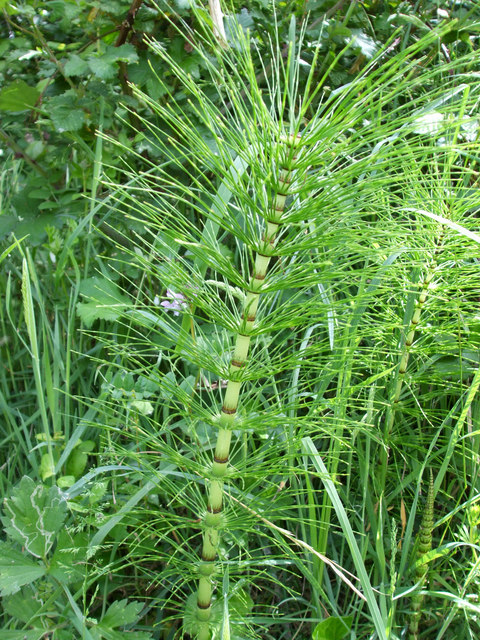
Why is Horsetail so hard to get ride of ?
To understand how to control horsetail, you first need to understand why it’s so tenacious.
Horsetail spreads via deep underground rhizomes, which can reach over 2 metres down. Even a small piece of root left in the soil can regenerate into a new plant. According to the Royal Horticultural Society (RHS):
“It is very difficult to eradicate because of its extensive root system and the depth at which its rhizomes can penetrate.”
— RHS, “Mare’s tail (Horsetail)”
Moreover, the silica in its stems makes it tough and abrasive—resistant to mowing and trampling. It thrives in poor-draining, compacted soils, and it can even survive fire and many common herbicides.
Step-by-Step Approach to Dealing With Horsetail
Let’s go beyond the frustration and look at an integrated approach that actually works:
1. Improve Soil Conditions
Horsetail thrives in wet, poorly drained, acidic soils. Changing these conditions can weaken its grip:
- Aerate your soil: Break up compaction with a garden fork or aerator.
- Improve drainage: Add organic matter like compost or well-rotted manure to increase aeration and nutrient content.
- Raise soil pH: According to experts at University of California Agriculture and Natural Resources, horsetail favours acidic conditions. Adding lime to raise the pH can reduce its vigour.
“Correcting soil conditions can help create an environment that’s less favourable for horsetail and more favourable for your desired plants.”
— UCANR, Integrated Pest Management
2. Persistent Physical Removal
This is time-consuming, but essential. Repeatedly cutting or digging out the plant weakens it over time:
- Cut back new growth regularly—at least every 2–3 weeks during the growing season.
- Do not compost horsetail unless your compost heap reaches high temperatures; otherwise, it can spread.
“Persistence is key. You must keep cutting it down to exhaust the root system.”
— Monty Don, Gardeners’ World
3. Use of Non-Selective Herbicides (With Caution)
Most common weed killers don’t work on horsetail because of its tough, waxy cuticle. However, some professional-grade products can help when used correctly:
- Products containing glyphosate can be somewhat effective, especially when the foliage is bruised or crushed before application to improve absorption.
- Ammonium sulphamate, formerly available to gardeners, was effective but has since been deregulated in the UK.
“Glyphosate is not a silver bullet, but when used with good technique, it can contribute to reducing horsetail over time.”
— Dr. John Moverley, Amenity Forum
⚠️ Always follow label directions and consider the environmental impact before using herbicides. These should be part of a long-term strategy, not a one-off solution.
4. Barrier and Smothering Techniques
In small areas, you can try covering the ground with a thick mulch or light-excluding membrane:
- Use black polythene sheeting to block sunlight and photosynthesis.
- Keep it in place for at least 12–24 months, weighing it down and checking regularly.
This method may not kill the roots entirely but can significantly weaken them, especially when combined with soil improvement.
5. Consider Competitive Planting
In ornamental beds or unused sections of the garden, planting aggressive ground cover can help outcompete horsetail. Try:
- Creeping thyme
- Sedum
- Bugleweed (Ajuga reptans)
These plants don’t eliminate horsetail but can reduce its spread and help reclaim space for more desirable growth.
How not to get rid of Horsetail!
- Don’t rotavate horsetail-infested soil—this breaks up the rhizomes and spreads it further.
- Don’t rely on a single treatment. You need a combined approach and patience over several years.
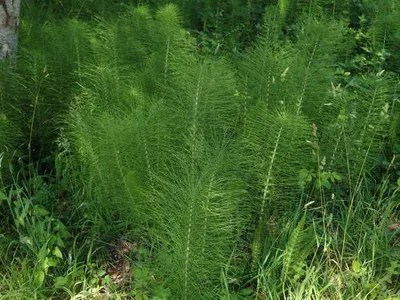
Control, Not Eradication
It’s important to be realistic. Total eradication of horsetail is extremely difficult—sometimes impossible without drastic measures. However, consistent, combined efforts can control and suppress it.
“You’re unlikely to get rid of horsetail completely, but by improving soil, cutting it back, and carefully using herbicides, you can keep it under control.”
— RHS
Got a questions you want answered by our experts ? Contact us and we would be happy to help. Stick with Garden-Review for the latest product reviews, buying guides, and expert recommendations.
Read more from our expert at Garden-Review >



 Garden Review UK
Leave a comment