
by Garden-Review
Daffodils, with their cheery golden faces, are a quintessential symbol of spring, gracing gardens, parks, and countryside verges across the UK. However, among the familiar trumpet-shaped blooms, a handful of rare and historic varieties may be quietly slipping into obscurity and extinction. The RHS with plant conservationists and gardening experts are on a mission to track them down before they are lost forever.
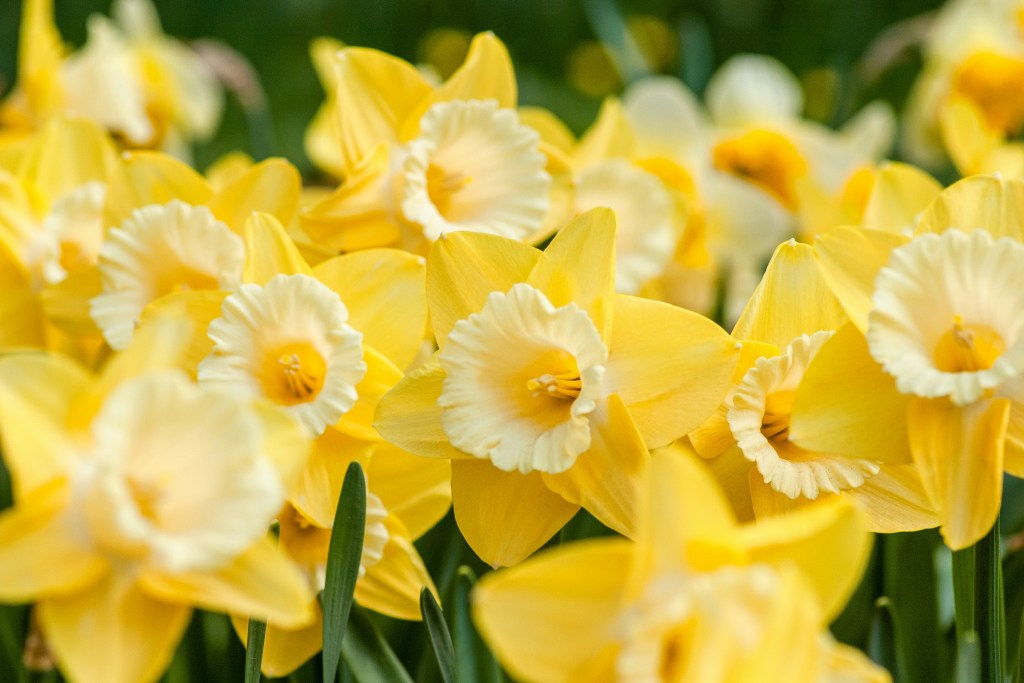
The Search for Forgotten Daffodil Blooms
The plant conservation charity Plant Heritage, in collaboration with the Royal Horticultural Society (RHS), has launched an appeal to locate long-lost daffodil cultivars. Among the sought-after varieties is the Sussex Bonfire, a dazzling “bonfire yellow” daffodil once associated with Lewes’ famous Bonfire Night celebrations. Last documented over two decades ago, it is thought that this fiery-hued flower may still be flourishing in an unsuspecting gardener’s plot.
“There’s the joy that these plants bring us in springtime, but they also hold potential for scientific discovery,” says Gwen Hines of Plant Heritage. Indeed, daffodils are not just ornamental but also a source of galantamine, a compound used in Alzheimer’s treatment.
Daffodils Through the Ages
Believed to have been brought to Britain by the Romans, daffodils have been selectively bred for centuries, with over 30,000 recorded cultivars. While yellow remains the most iconic hue, daffodils also bloom in shades of white, orange, and even pink.
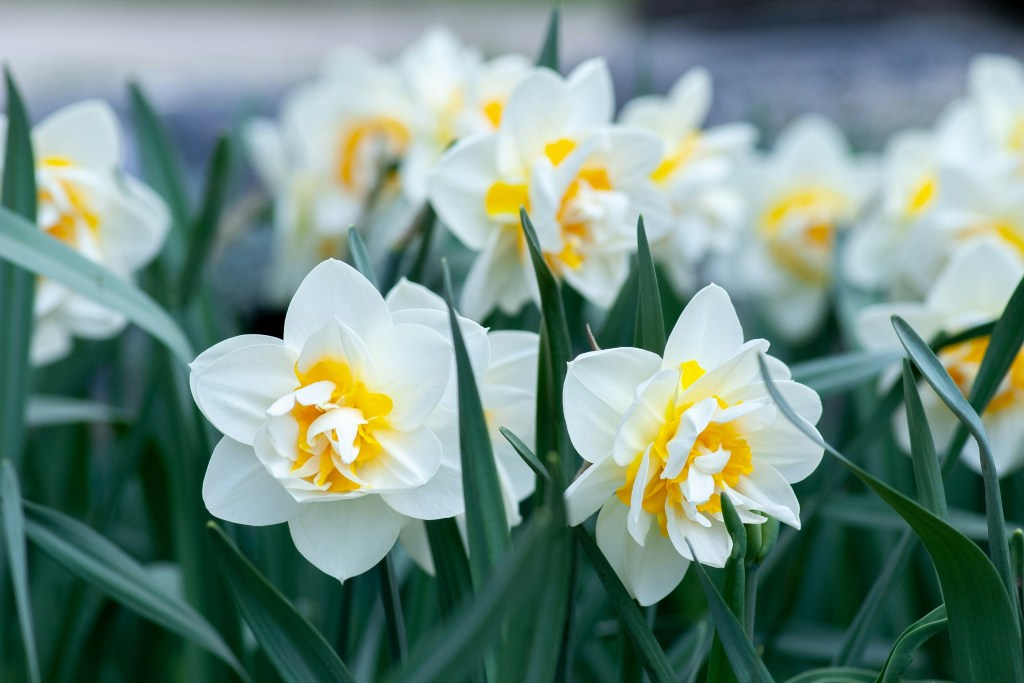
One such historic variety is Mrs R O Backhouse, one of the first daffodils to showcase a pinkish trumpet, a novelty in its time. Named posthumously by her husband in 1921, this delicate bloom is known to exist within specialist collections, but its widespread presence remains uncertain. Similarly, the Mrs William Copeland daffodil, a late Victorian-era cultivar with sumptuous white, double-layered petals, is another rarity under threat.
A Public Call to Action
To aid this botanical treasure hunt, the RHS is urging the public to document daffodils spotted in their local area. Mapping their growth will not only help in identifying lost varieties but also provide valuable data on how climate change is affecting flowering times.
RHS scientist Dr Kálmán Könyves, who has spent over 15 years studying daffodils, emphasises the importance of this initiative. “By tracking when and where daffodils bloom, we can monitor shifts in their seasonal cycles in response to climate change,” he explains.
How You Can Help
If you suspect you have an unusual or historic daffodil in your garden, Plant Heritage and the RHS encourage you to come forward. Photographs and details of location and flowering time can be shared with these organisations to help in their conservation efforts.
By uncovering and preserving these floral relics, gardeners can play a crucial role in protecting the UK’s botanical heritage, ensuring that these charming springtime treasures continue to brighten landscapes for generations to come.





 Garden Review UK
Leave a comment