
In the ever-evolving world of allotment and vegetable growing, some methods stand the test of time. Among them is the ancient practice of Three Sisters planting, a technique rooted in Indigenous agricultural traditions of the Americas. This time-honoured method not only exemplifies the ingenuity of early growers but also offers a blueprint for sustainable, symbiotic gardening in today’s allotments and back gardens alike.
What is the Three Sisters Method?
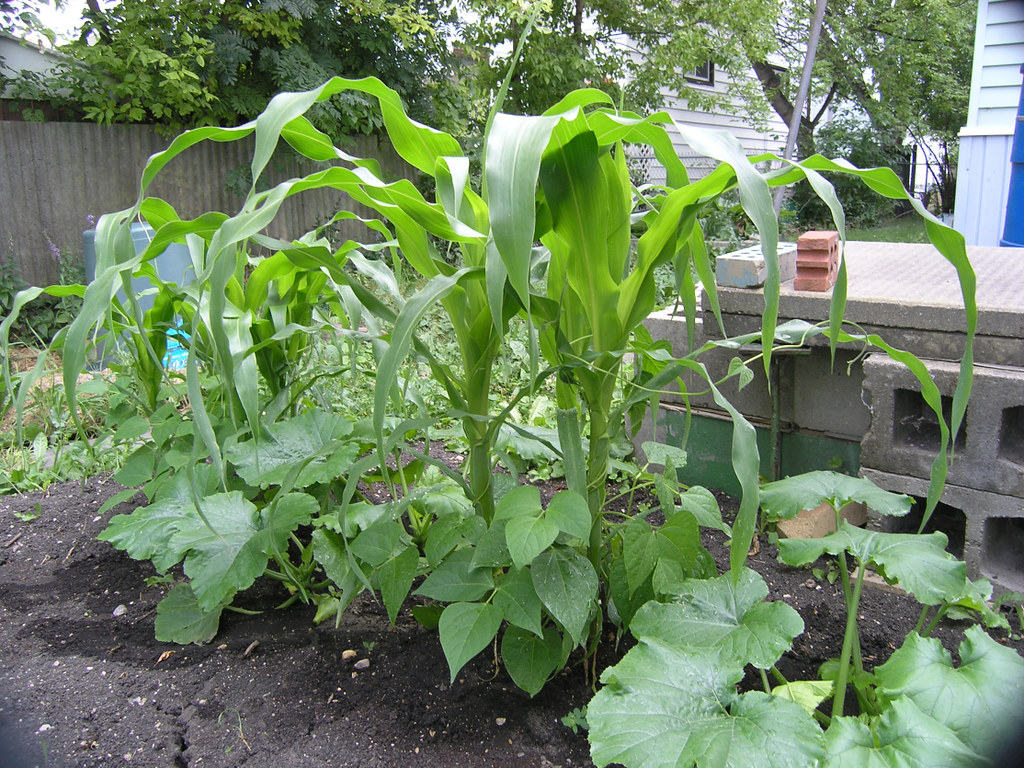
The Three Sisters refers to the planting of three key crops — Maize (sweetcorn in modern adaptations), beans, and squash — in close proximity. Each “sister” plays a vital role in supporting the others, creating a natural system of mutual benefit. This trio was historically cultivated by Indigenous peoples, particularly in North America, and remains an enduring example of companion planting.
The Science Behind the Sisters
The brilliance of the Three Sisters lies in its ecological synergy:
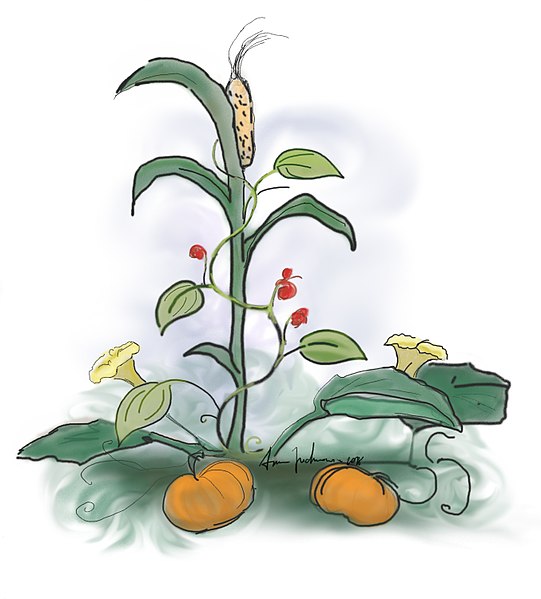
- Corn: Acting as the tall, sturdy “sister,” sweatcorn provides a natural trellis for climbing bean vines, eliminating the need for artificial supports.
- Beans: A nitrogen-fixing crop, beans enrich the soil by pulling nitrogen from the air and converting it into a form usable by plants. This nutrient boost benefits both corn and squash, which are heavy feeders.
- Squash: Spreading low along the ground, squash leaves create a living mulch, suppressing weeds, retaining soil moisture, and deterring pests with their spiky stems.
Together, these crops mimic natural ecosystems, maximising space, improving soil health, and reducing the need for chemical inputs.
Planting the Three Sisters in Your Garden
Though the original method was designed for larger fields, it can be easily adapted for home gardens or allotments. Here’s how:
- Preparation: Choose a sunny spot with well-draining soil. Enrich the area with compost to ensure it’s nutrient-rich.
- Mound Formation: Create small mounds of soil, roughly 30cm high and 60cm in diameter. Space these mounds about a metre apart to give each group enough room to thrive.
- Planting Sequence: Timing is critical. Begin by planting corn seeds in the centre of each mound, spacing them about 15cm apart. Wait until the corn is 15-20cm tall before planting the beans around it. Finally, sow squash seeds around the mound’s base.
- Care and Maintenance: Water the plants deeply and regularly, especially during dry spells. Avoid fertilising with too much nitrogen as beans already provide plenty. Keep an eye out for pests, though the squash’s ground cover often helps deter common intruders.
Benefits Beyond the Soil
Beyond its agricultural advantages, the Three Sisters planting method also embodies a philosophy of interdependence and respect for the land. It serves as a reminder that gardening is not merely about growing food but fostering a relationship with nature.
This technique also encourages biodiversity, attracting beneficial insects and creating microhabitats. For gardeners eager to embrace organic methods, the Three Sisters offers a practical and poetic way to grow sustainably.
Adapting the Sisters for UK Gardens
While the original crops thrive in warmer climates, UK gardeners can still embrace the spirit of the Three Sisters with some adaptations:
- Replace corn with dwarf varieties of sweetcorn, which mature faster in the British growing season.
- Choose climbing French beans or runner beans, both well-suited to UK conditions.
- Opt for smaller squash varieties, such as butternut squash or courgettes, which require less growing time.
As modern gardening increasingly leans towards sustainability, the Three Sisters method offers a timeless lesson. By mimicking nature’s systems, this practice enriches the soil, reduces waste, and fosters a sense of harmony within the garden. For gardeners seeking a method that nurtures both plants and planet, the Three Sisters is a practice well worth cultivating.
Whether you’re a seasoned grower or a curious novice, why not dedicate a corner of your garden to the Three Sisters next season? With a little planning and care, you’ll not only yield a bountiful harvest but also deepen your connection to one of history’s most remarkable gardening traditions.
Read more tips and advice from Garden-Review






 Garden Review UK
Leave a comment