
Guerrilla gardening is quietly revolutionising urban spaces across the globe. Born out of a desire to reclaim neglected patches of land, this grassroots movement transforms derelict corners of our cities into thriving green sanctuaries. From colourful flower beds on roadside verges to edible crops in forgotten alleys, guerrilla gardening is as much about community spirit as it is about environmental impact.
What is Guerrilla Gardening?
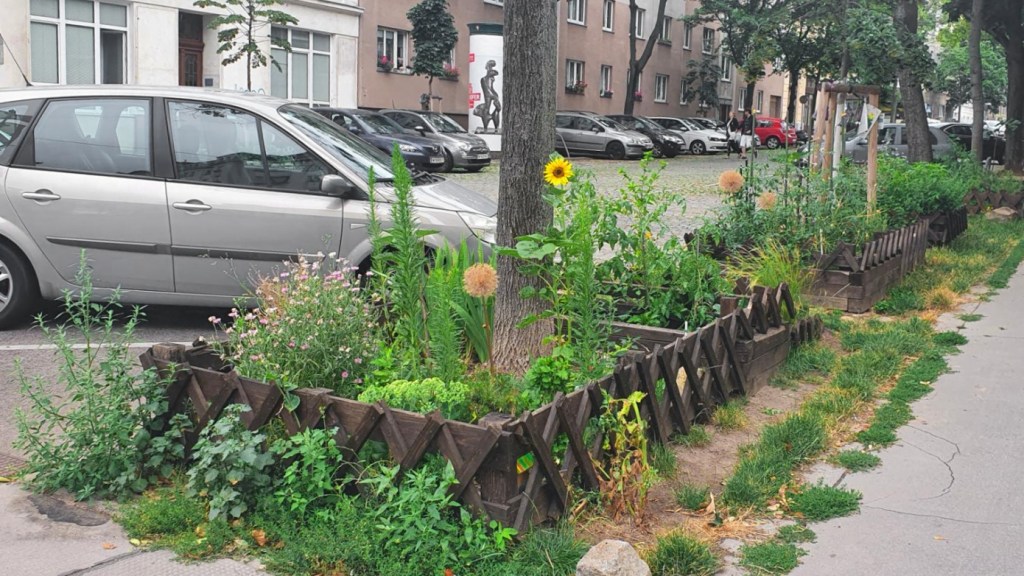
At its core, guerrilla gardening is the act of cultivating plants on land that the gardener does not own, often without formal permission. It’s an act of rebellion against urban neglect, but it’s also a creative way to address environmental concerns and beautify our cities.
The movement dates back to the 1970s but has gained traction in recent years as urbanites increasingly look to reconnect with nature. The types of projects vary widely, from planting wildflowers to support pollinators, to growing vegetables that can help combat food insecurity.
Why Do People Engage in Guerrilla Gardening?
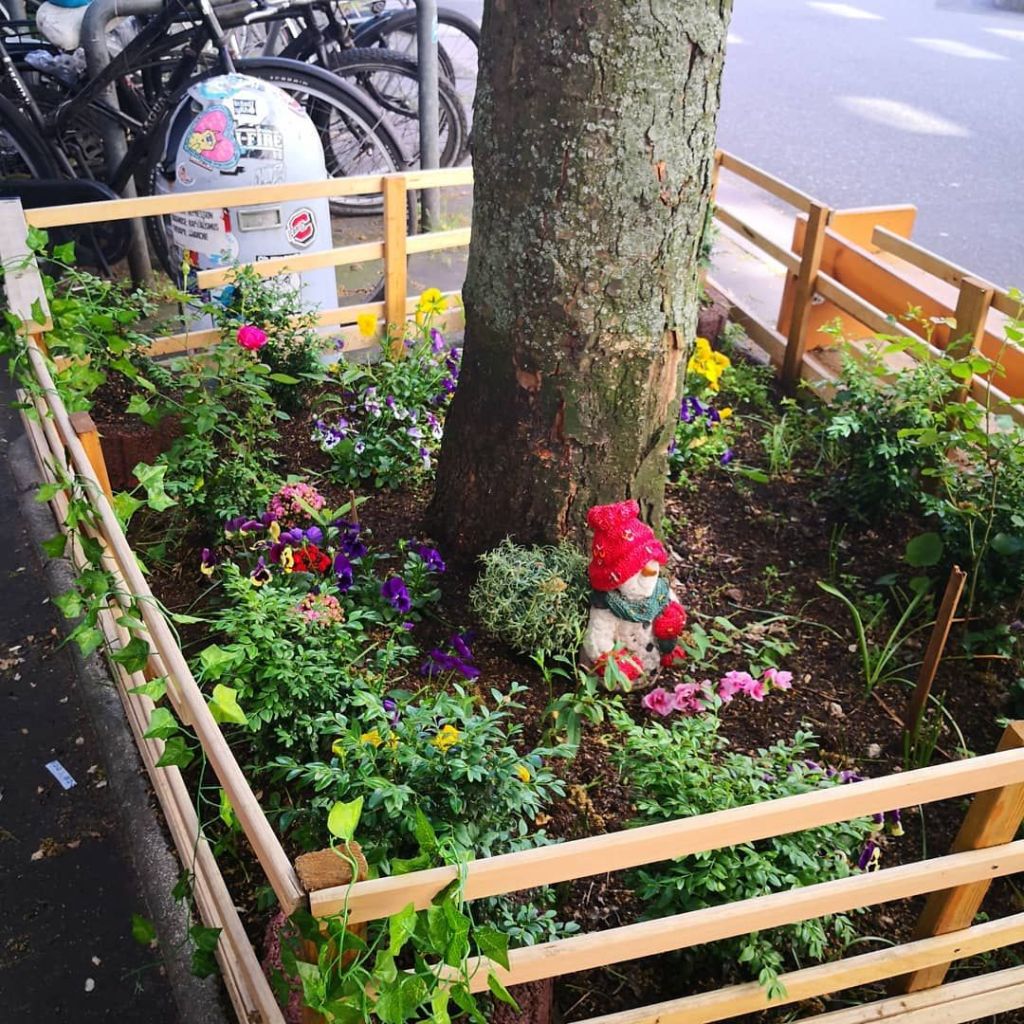
The motivations behind guerrilla gardening are as diverse as the people who partake in it. Some see it as a form of environmental activism, aiming to enhance biodiversity and improve air quality in urban areas. Others use it as a medium for artistic expression, turning grey, forgotten spaces into vibrant canvases of colour.
There are also those who use guerrilla gardening as a means of addressing social and political issues. For instance, Ron Finley, known as the “Gangsta Gardener” in Los Angeles, has championed urban gardening as a way to tackle food deserts in low-income areas. His efforts have inspired countless others to use gardening as a tool for empowerment and change.
Common Questions About Guerrilla Gardening
Is Guerrilla Gardening Legal?
This is a grey area. Technically, planting on land you don’t own without permission can be considered trespassing. However, many local councils and communities turn a blind eye or even support such initiatives, recognising the benefits they bring. To stay on the safe side, it’s worth engaging with local authorities or landowners if possible.
What Do Guerrilla Gardeners Plant?
The choice of plants often depends on the location and purpose of the garden. Hardy, low-maintenance species like wildflowers and shrubs are popular for beautification projects, while vegetables and herbs are common in areas where food insecurity is a concern. Native plants are highly recommended as they are better suited to the local environment and support local wildlife.
How Can I Get Involved?
Starting your guerrilla gardening journey is easier than you might think. Begin by identifying a neglected area in your community. Next, consider what plants would thrive there and benefit the space. Gather your tools, seeds, or seedlings, and, if possible, involve neighbours to create a sense of shared ownership.
What Impact Does Guerrilla Gardening Have?
The impact of guerrilla gardening goes beyond aesthetics. These green pockets contribute to better air quality, provide habitats for wildlife, and can even reduce urban heat islands. On a social level, they foster community pride and encourage people to engage with their local environment.
Notable Examples of Guerrilla Gardening
One of the most inspiring stories comes from Todmorden, West Yorkshire, where the Incredible Edible movement began in 2008. The group planted food crops in public spaces, inviting anyone to harvest and enjoy the produce. Their efforts have sparked a global movement, proving that small acts of gardening can lead to significant social change.
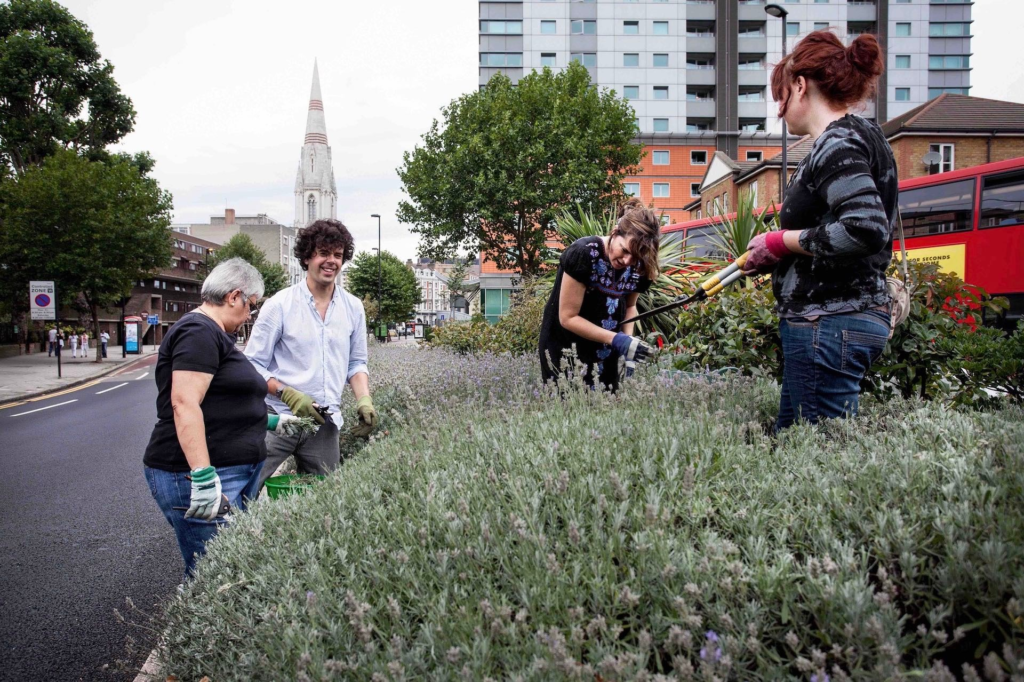
In another example, a young man in Gaza turned a bombed-out building into a lush garden, using it as a symbol of resilience and hope. Closer to home, you might spot flower beds sprouting on London’s traffic islands or herbs growing along the city’s canal paths – all the work of anonymous guerrilla gardeners.
Guerrilla gardening is more than just planting without permission; it’s a statement about the power of individuals to transform their environment. Whether you’re looking to brighten up your neighbourhood, tackle environmental issues, or simply connect with nature, guerrilla gardening offers an accessible and impactful way to make a difference.
So why not grab a trowel and some seeds? That neglected patch of land on your street could be the next oasis in your community. With a little creativity and a lot of passion, anyone can be a guerrilla gardener.





 Garden Review UK
Leave a comment