
- Alternative Names for the Fig Leaf Gourd
- How to Grow Fig Leaf Gourds in the UK
- When to Harvest Fig Leaf Gourds
- Culinary Uses of Fig Leaf Gourds
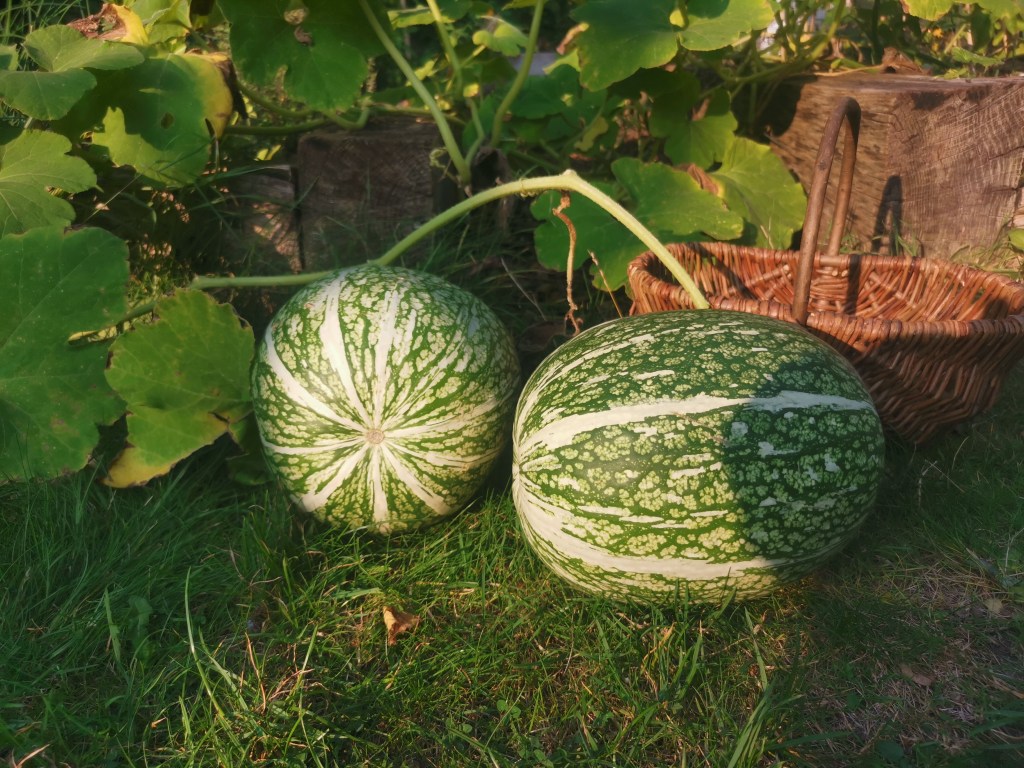
The Fig Leaf Gourd (Cucurbita ficifolia) is a fascinating and versatile vegetable that deserves a spot in your garden. Known by various names around the world—chilacayote in Mexico, shark fin melon in Asia, and malabar gourd in other regions—this unique gourd is celebrated for its resilience and wide-ranging culinary applications. In the UK, where growing conditions can be a challenge for more tropical crops, the Fig Leaf Gourd stands out as an adaptable, hardy plant that can thrive with proper care.
Alternative Names for the Fig Leaf Gourd
The Fig Leaf Gourd’s many names reflect its global significance. Depending on where you’re from or what you’re using it for, you might come across one of these:
- Chilacayote (Latin America): Common in Mexican and Central American cuisines.
- Shark Fin Melon (Asia): Often used as a substitute for shark fin in soups due to its fibrous texture.
- Malabar Gourd (Southern Europe): Grown extensively for its hardiness and culinary uses.
- Seven Year Melon (in some regions): Known for its ability to keep for long periods.
- Black Seed Squash: Refers to the distinctive black seeds inside the gourd.
How to Grow Fig Leaf Gourds in the UK
While originating from warmer climates, the Fig Leaf Gourd can be successfully grown in the UK with some attention to the specifics of its cultivation needs.
Planting Time: Start seeds indoors in April or May, giving them a head start before the last frost. Seeds should be planted in biodegradable pots so that they can be transplanted without disturbing their delicate root systems.
Soil and Location: Choose a sunny spot in your garden with well-draining soil, rich in organic matter. The gourd can grow vigorously, so ensure plenty of space or use supports for climbing. They benefit from a sheltered location, which helps them avoid wind damage.
Transplanting: Once the weather warms up and frost danger has passed, plant your seedlings outside, spacing them about 1.5 to 2 metres apart. They thrive in warmer temperatures, so if you’re in a cooler area of the UK, consider using a greenhouse or polytunnel.
Watering and Feeding: Fig Leaf Gourds require regular watering but don’t like to sit in waterlogged soil. Feed them with a balanced fertiliser every few weeks, particularly during the growing season.
Pollination: These plants produce both male and female flowers. If pollination doesn’t seem to be occurring naturally, especially in enclosed environments, you may need to hand-pollinate using a soft brush to transfer pollen between flowers.
When to Harvest Fig Leaf Gourds
The gourds take several months to mature, typically ready for harvest by late autumn (October or November). You’ll know they are ready when the skin becomes tough, and they start to change colour. Harvest them before the first frost to ensure they don’t get damaged by the cold. If picked correctly, these gourds can store for several months in a cool, dry location, which is ideal for winter use.
Culinary Uses of Fig Leaf Gourds
Fig Leaf Gourds have a mild, slightly sweet flavour, and their texture becomes soft and stringy when cooked, making them suitable for a variety of dishes. They are not only used as vegetables but also as fruits and even in desserts. Here are some delicious ways to incorporate them into your meals:
1. Soups and Stews: In Asian cuisine, the flesh of the gourd is commonly used in soups, often replacing shark fin in traditional recipes. The fibrous texture makes it a great addition to broths, soaking up flavours beautifully.
2. Jam and Preserves: In Mexico, the Fig Leaf Gourd is often turned into sweet preserves, cooked down with sugar and spices. The resulting jam pairs well with toast or can be used as a filling for pastries.
3. Savoury Dishes: The young, tender gourds can be roasted or grilled, while the mature gourds are perfect for stuffing. Combine with rice, herbs, and other vegetables for a hearty meal.
4. Smoothies and Desserts: In some cultures, the gourd’s flesh is pureed and used in desserts such as puddings or blended into smoothies for a refreshing, healthy treat.
5. Seed Uses: The seeds of the Fig Leaf Gourd are edible, too. They can be roasted and enjoyed as a snack, similar to pumpkin seeds, or ground into flour for baking.
The Fig Leaf Gourd, with its array of names and versatility, is a fantastic addition to UK gardens. Its resilience, along with its ability to be used in both sweet and savoury dishes, makes it a plant worth cultivating. Whether you’re looking to try a new vegetable, experiment with global flavours, or find a hardy gourd for the UK’s unpredictable climate, the Fig Leaf Gourd is a great choice.







 Garden Review UK
Leave a comment