
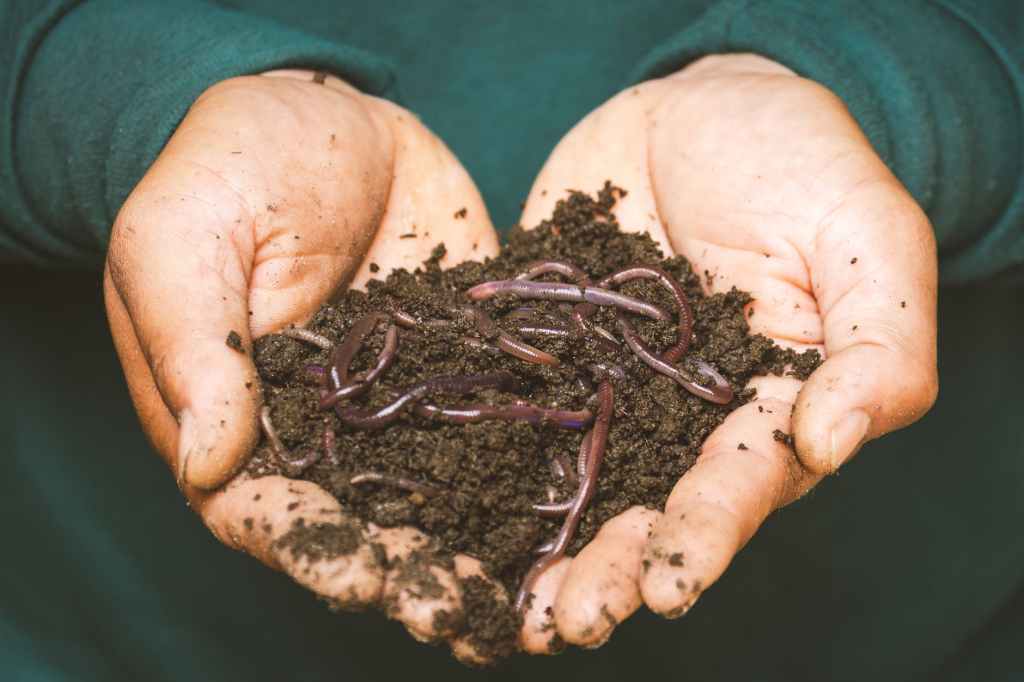
Composting is an eco-friendly way to reduce waste and enrich your garden soil with nutrient-rich organic matter. Many people wonder whether they can put ashes from their fireplaces, wood stoves, or outdoor bonfires into their compost bins. The answer isn’t a simple yes or no—it depends on the type of ashes and how you use them. In this Garden Review blog post, we’ll explore the ins and outs of using ash in your compost bin.

Types of Ash
Before deciding whether to add ash to your compost, it’s crucial to identify the type of ash you’re dealing with. Ashes can be broadly categorized into two types: wood ash and coal ash.
Wood Ash:
- Wood ash is generally safe for composting and can be a valuable addition to your compost bin.
- It contains essential nutrients like potassium, calcium, and magnesium that can benefit your plants.
- Wood ash helps neutralise acidic conditions in the soil, making it suitable for a wider range of plants.
Coal Ash:
- Coal ash, on the other hand, should not be added to compost.
- It may contain harmful substances like heavy metals and toxins that can harm plants and disrupt the composting process.
- Coal ash is often alkaline, and its use can raise the pH of the soil to levels that are unfavorable for many plants.
Guidelines for Adding Ash to Compost
If you have wood ash and want to use it in your compost, here are some guidelines to follow:
- Moderation is Key:
- While wood ash can be beneficial, it’s important not to overdo it. Too much ash can make your compost too alkaline, impacting the microbial activity essential for decomposition.
- Mix It In:
- Instead of dumping a large pile of ash into your compost bin, mix it in with other compostable materials. This helps distribute the ash evenly and prevents concentrated pockets that may affect pH.
- Avoid Treated Wood:
- If you burn treated wood or wood with coatings, it’s best to keep those ashes out of your compost. Treated wood may contain chemicals that are harmful to plants and soil.
- Monitor pH Levels:
- Regularly check the pH levels of your compost and soil. If you notice the pH becoming too alkaline, you can adjust it by incorporating more acidic materials or avoiding additional ash for a while.
- No Coal Ash:
- Never add coal ash to your compost. It poses risks to plant health and can contaminate your compost with harmful substances.
Adding wood ash to your compost can be a fantastic way to boost nutrient levels and improve soil quality. However, it’s crucial to be mindful of the type of ash you’re using and to incorporate it in moderation. By following these guidelines, you can harness the benefits of ash while maintaining a healthy and productive composting process. Remember, composting is all about balance and creating a sustainable environment for your plants to thrive.





 Garden Review UK
Leave a comment