
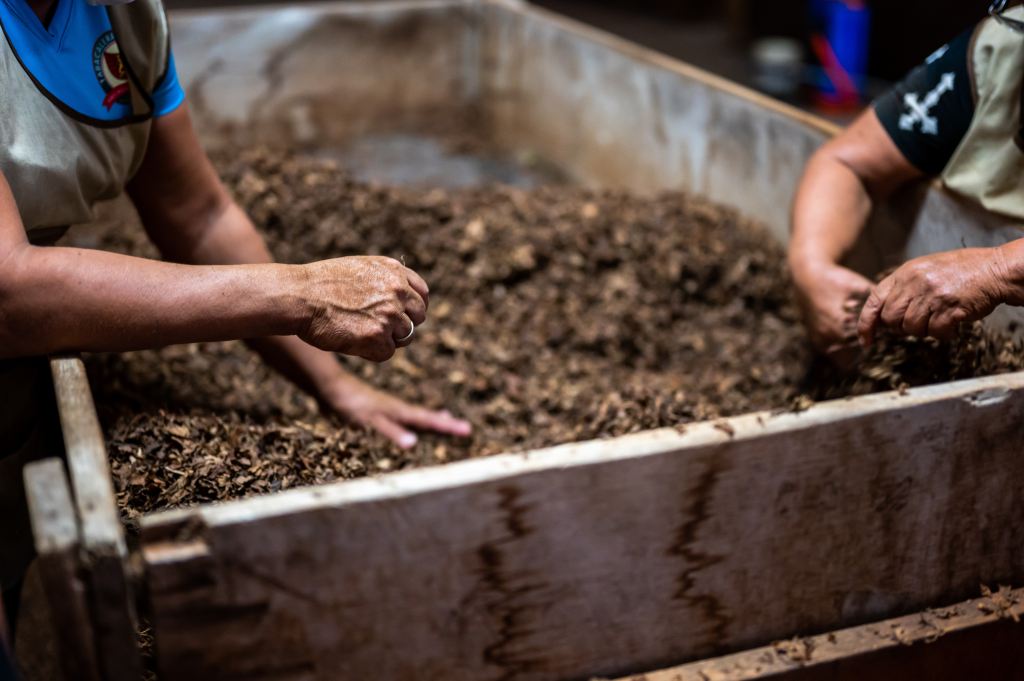
Composting is a simple yet powerful way to reduce waste and nourish the soil. Whether you’re an avid gardener or just someone looking to minimise their environmental footprint, creating a compost heap is a fantastic step towards sustainability. One of the common questions that beginners often ask is, “What can I put on my compost heap?” In this guide, we’ll explore the world of composting and provide a comprehensive list of materials that you can add to your compost pile for optimal results.
Understanding the Basics of Composting:
Composting is a natural process that transforms organic matter into nutrient-rich soil conditioner. The key to successful composting lies in achieving the right balance of green (nitrogen-rich) and brown (carbon-rich) materials, along with adequate moisture and aeration. Green materials provide nitrogen, which is essential for the growth of microorganisms, while brown materials supply carbon and help create a well-aerated compost pile.
Green Materials (Nitrogen-Rich):
Fruit and Vegetable Scraps: Peels, cores, and any unused parts of fruits and vegetables are excellent additions to your compost heap.Coffee Grounds and Filters: Used coffee grounds are rich in nitrogen and make a great addition to compost. Coffee filters made from unbleached paper can also be included.Eggshells: Crushed eggshells add calcium to the compost and help balance the pH.Green Plant Trimmings: Young, green plant material, such as grass clippings and fresh pruning, provides nitrogen to the compost.Weeds (without seeds): Weeds can be composted as long as they haven’t gone to seed to prevent unwanted plant growth in your compost.
Brown Materials (Carbon-Rich):
Dry Leaves: Fallen leaves are an excellent source of carbon and help create a balanced compost heap.Straw or Hay: These materials add bulk to the compost and provide a carbon source.Shredded Newspaper and Cardboard: Unbleached and shredded newspaper or cardboard can be added in moderation to provide carbon.Twigs and Small Branches: Chopped into small pieces, these contribute to aeration and add carbon.Sawdust: Ensure it’s from untreated wood and mix it well to prevent clumping.
Other Compostable Items:
Tea Bags and Tea Leaves: Used tea bags and tea leaves contribute nitrogen to the compost.Paper Towels and Napkins: As long as they are free from chemicals and non-toxic inks, these can be composted.Hair and Pet Fur: Human and pet hair add nitrogen to the compost pile.
Items to Avoid:
Meat and Dairy Products: These can attract pests and slow down the composting process.Diseased Plants: Plants infected with diseases may survive the composting process and reintroduce pathogens into the soil.Coal Ash or BBQ Charcoal: These contain substances harmful to plants
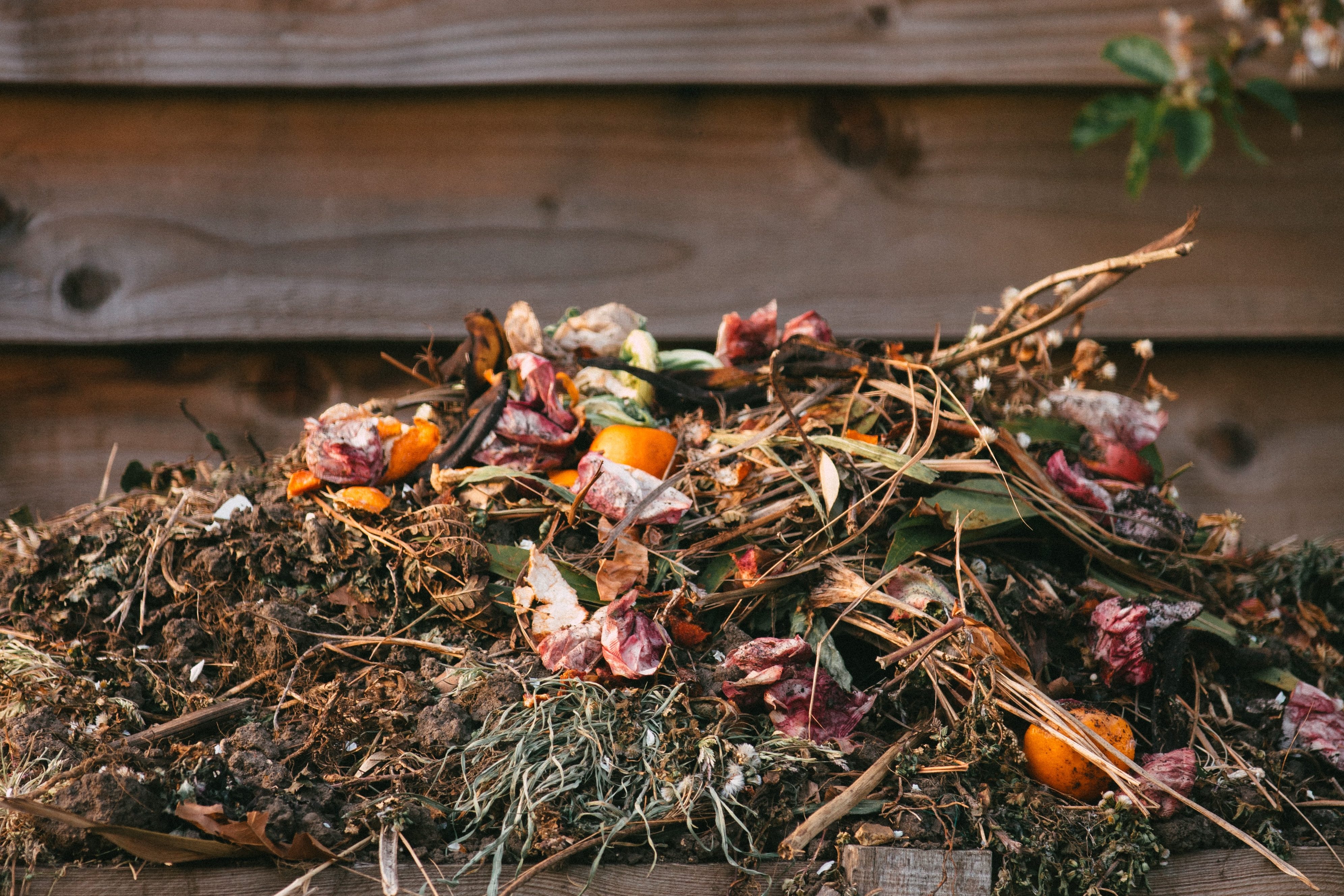
Building a successful compost heap is not only eco-friendly but also enriches your garden soil, promoting healthier plant growth. By understanding the balance between green and brown materials, along with avoiding certain items, you can ensure your compost pile thrives. So, the next time you wonder, “What can I put on my compost heap?” remember the key ingredients for a thriving composting experience and watch as your waste transforms into nutrient-rich, black gold for your garden. Happy composting!



 Garden Review UK
Leave a comment